Kenya transport paralysis deepens as strike over fuel costs triggers clashes
The Transport Sector Alliance demands a 35% price reduction while the government cites geopolitical constraints and fiscal prudence.
A nationwide transport strike organised by the Transport Sector Alliance (TSA) has left thousands of Kenyan commuters stranded and businesses paralysed, marking a significant escalation in the country’s ongoing cost-of-living crisis. The shutdown, which involved public transport operators, truckers, and private motorists staying off the roads, resulted in empty thoroughfares in Nairobi and forced several schools to close their doors.
The action was precipitated by a recent 20% increase in fuel costs, which the Energy and Petroleum Regulatory Authority (Epra) implemented following record-high international prices. Epra raised the cost of diesel to 242 shillings ($1.8; £1.4) a litre, while petrol prices reached $1.65. The TSA has demanded a full reversal of these hikes and a further reduction in fuel prices by approximately 35%, arguing that current measures are insufficient to shield citizens from economic hardship.
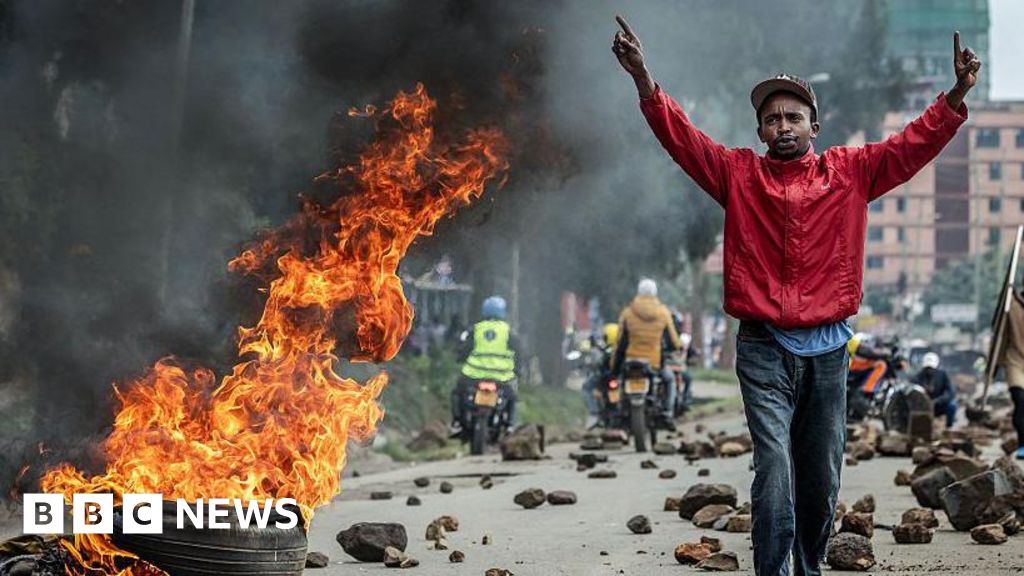
Tensions escalated in Nairobi and other parts of the country as protesters barricaded roads and lit fires, prompting a heavy police response. Officers deployed tear gas to disperse crowds amid reports of demonstrators stopping and harassing motorists. The TSA stated that the strike was intended for “every Kenyan citizen,” extending the protest beyond public transport workers to include all vehicle users in a coordinated effort to pressure the government.
Treasury Minister John Mbadi described the strike as “completely uncalled for,” attributing the price surges to global supply disruptions rather than domestic policy failures. Mbadi acknowledged the economic strain but insisted that the government would make decisions that are “informed and not emotional.” He questioned the efficacy of localised protests in resolving international market issues, asking, “Why are we trying to solve a global problem using domestic means?”
The fuel price volatility is largely linked to disruptions in Gulf supply routes, which Kenya relies upon heavily. Although a ceasefire was declared in the US-Israel conflict with Iran on 28 February, the Strait of Hormuz remains blocked, continuing to restrict the flow of a fifth of the world’s oil. While the government reduced VAT on fuel from 16% to 8% until July last month, critics argue this intervention has failed to curb the rising costs of food and basic goods, which have already led to increased commuter fares.