Documentary series examines intergenerational trauma of global militarism
New episode hosted by Ali Rae highlights how war and genocide inflict physical and psychological wounds that persist long after active conflict ceases.
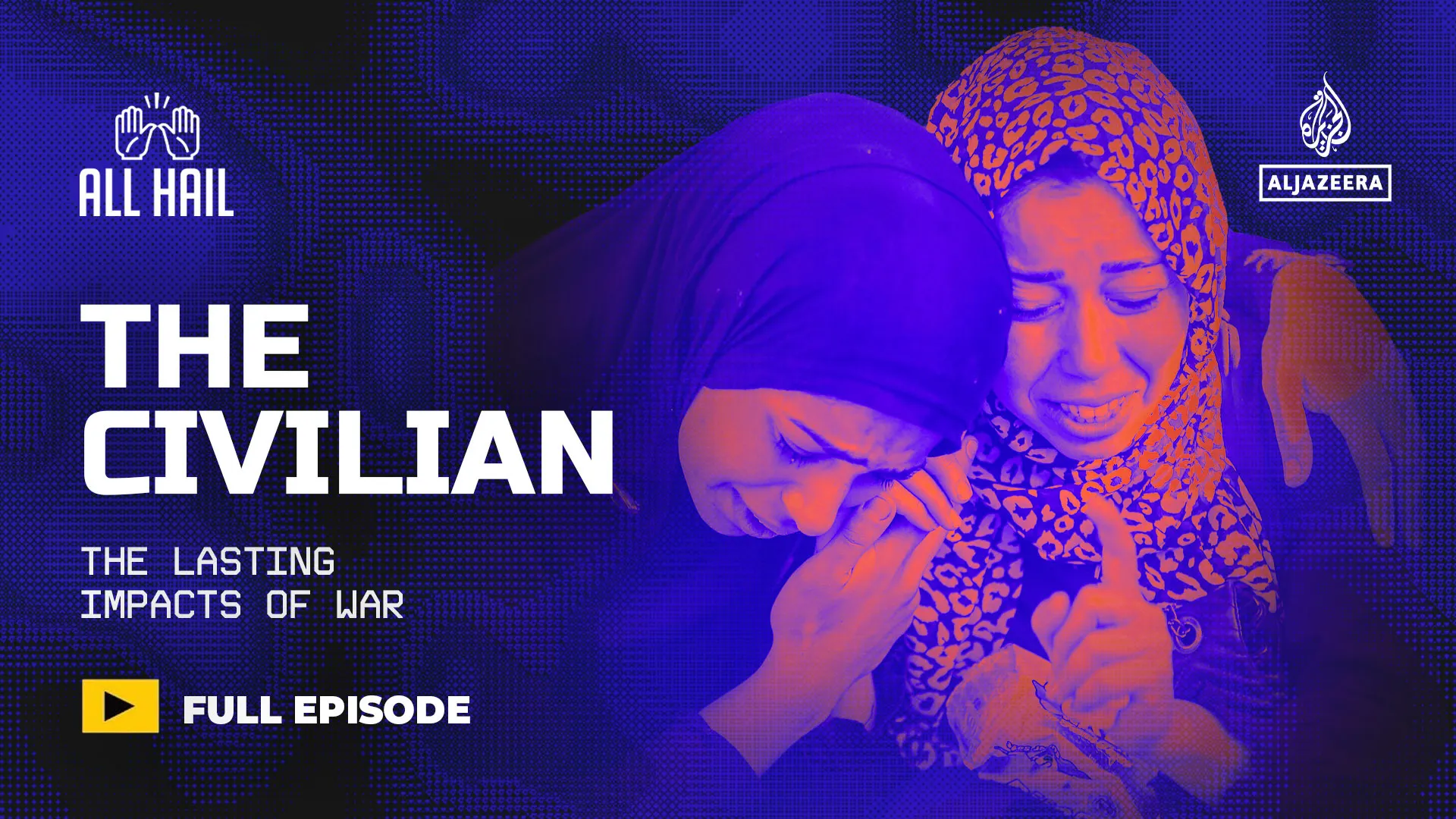
A new episode of the documentary series 'All Hail the Military' has been released, focusing on the enduring impact of conflict on civilian populations. Hosted by Ali Rae, the latest instalment is titled 'How war affects civilians for generations' and serves as the third part of a five-part exploration into global militarism.
The episode examines the physical, psychological, and life-altering scars inflicted on civilians by war and genocide. It posits that these wounds continue to shape daily life and entire communities for decades after active fighting has ceased, creating a legacy that persists long after the cessation of hostilities.
The narrative asserts that for hundreds of thousands of people, the effects of current wars and genocides will never truly end. The series aims to reveal the systems, power structures, and hidden complicities that sustain global militarism, highlighting the profound impact these structures have on affected populations.
According to the series description, the violence endured by civilians leaves deep, lasting marks. The content suggests that this hidden legacy is often overlooked, yet it fundamentally alters the trajectory of communities long after the immediate threat of violence has passed.
The release of this episode continues the broader examination of militarism initiated in previous parts of the series. By focusing on the intergenerational impact on civilians, the programme seeks to illuminate the long-term consequences of conflict that extend beyond the battlefield.