White House prayer rally sparks debate over church-state separation
Participants cite declining religious values as motivation, even as President Trump’s approval rating among white Evangelicals falls.
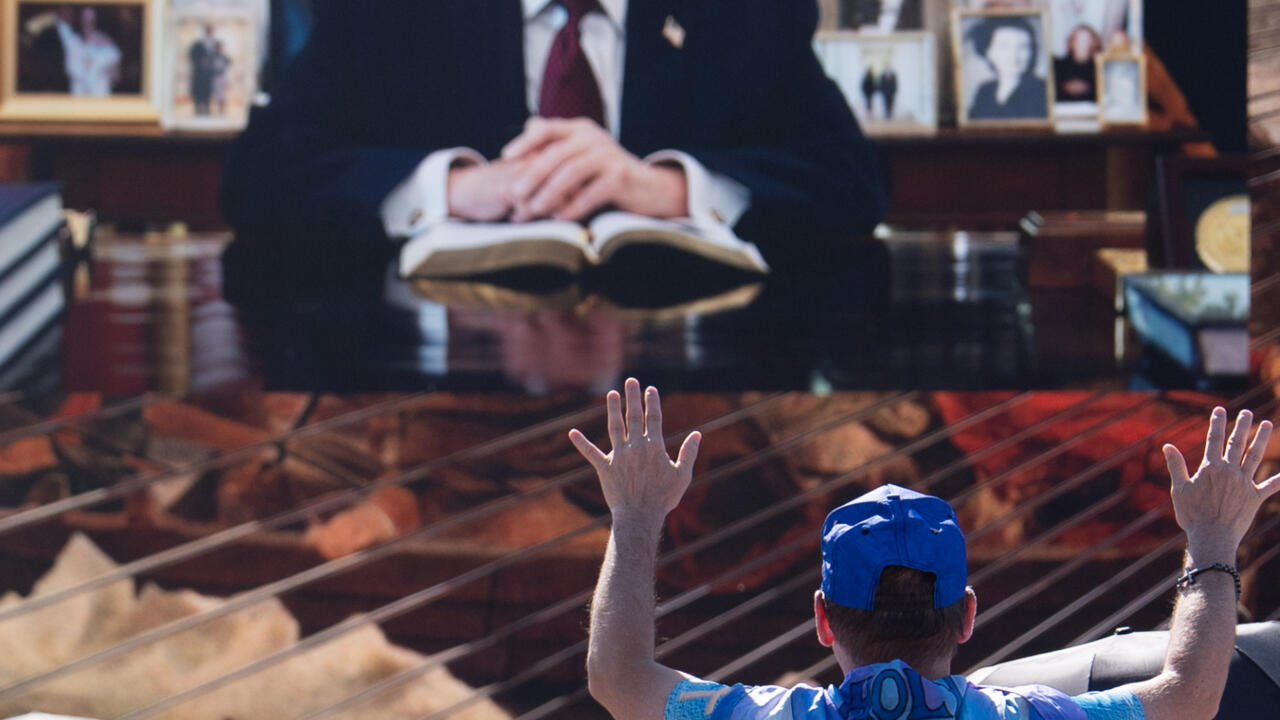
Thousands of Christians gathered in Washington on May 17 for a day-long prayer festival that has ignited a debate regarding the intersection of faith and governance. The event, which received backing from the Trump administration, drew participants from across the United States who described the gathering as a necessary response to perceived declines in religious values.
The rally has faced significant criticism for allegedly promoting Christian nationalism and undermining the constitutional separation of church and state. Observers and critics have pointed to the administration’s support for the event as a signal that blurs the lines between religious advocacy and official government policy.
Those who travelled to the capital stated that their presence was driven by a desire to counteract what they perceive as a erosion of traditional religious principles in American society. The event served as a focal point for these concerns, drawing a large crowd despite the contentious political climate surrounding the issue.
The gathering occurred against a backdrop of shifting political dynamics within the president’s base. Reports indicate a drop in President Trump’s approval rating among white Evangelicals, a demographic that has traditionally been a key pillar of support for the administration. This decline in polling metrics adds a layer of complexity to the administration’s endorsement of the faith-based event.
The event highlights the ongoing tension between religious mobilisation and institutional secularism. While participants view the rally as a moral imperative, critics argue that the administration’s involvement risks compromising the neutrality expected of government bodies in matters of religion.
The White House prayer rally underscores the challenges of maintaining a clear distinction between religious expression and political power. As the administration continues to engage with faith-based groups, the debate over the appropriate role of religion in public life remains a central issue in American politics.
The event serves as a case study in how political leaders navigate the expectations of their religious constituencies while facing scrutiny over adherence to secular governance principles. The outcome of this debate will likely influence future interactions between the government and religious organisations.