Kenya braces for unrest as two-year protest anniversary approaches
Authorities and observers express heightened anxiety regarding the eve of the second anniversary of the deadly protests, with no specific threats confirmed beyond general fears of escalation.
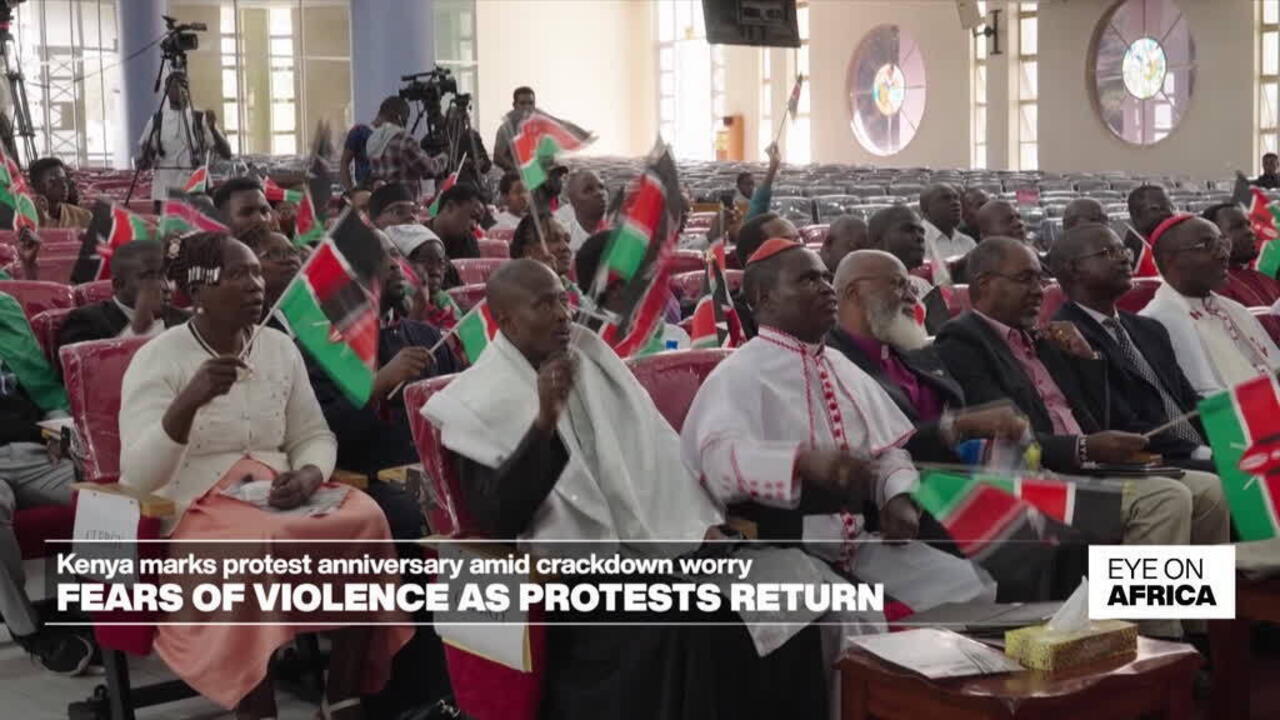
Kenya is entering a period of heightened scrutiny as the country approaches the two-year anniversary of the landmark youth protests that resulted in the deaths of dozens of individuals. According to reporting by France 24 International, concerns regarding the potential for renewed violence are mounting on the eve of this significant date.
The original demonstrations, which occurred two years prior, were characterised as a pivotal moment in the nation’s recent political history. The unrest led to a significant loss of life, with official accounts citing dozens of fatalities. As the commemorative period draws near, the atmosphere has shifted from reflection to apprehension among authorities and civil observers.
Current reports indicate that the primary focus for governance and security agencies is the management of public sentiment rather than the response to specific, confirmed imminent threats. The narrative surrounding the anniversary is defined by fears of escalation rather than actionable intelligence regarding planned violent acts.
This cautious approach reflects the institutional memory of the events from two years ago. The scale and impact of the original protests have left a lasting imprint on the national psyche, prompting a defensive posture from state institutions as they navigate the symbolic weight of the upcoming date.
While the specific nature or scale of any anticipated unrest remains undefined in current reporting, the prevailing sentiment is one of vigilance. The distinction between the political commemoration and unrelated international events, such as concurrent football matches, remains clear in domestic discourse, with attention firmly fixed on internal stability.
As the two-year mark approaches, the government faces the challenge of balancing the right to assembly with the imperative to maintain public order. The absence of confirmed threats does not diminish the seriousness with which the anniversary is being treated, underscoring the enduring sensitivity of the issue within the Kenyan political landscape.
The coming days will likely see increased monitoring of public spaces and communication channels, driven by the need to prevent a recurrence of the violence that marked the original protests. The focus remains on ensuring that the commemoration does not devolve into the kind of unrest that claimed dozens of lives two years ago.