Kashmir polls proceed in stages as legal and political deadlock over refugee seats deepens
The AJK Supreme Court has ruled that 12 assembly seats for Kashmiri refugees are constitutionally protected, blocking immediate abolition despite demands from the Jammu Kashmir Joint Awami Action Committee.
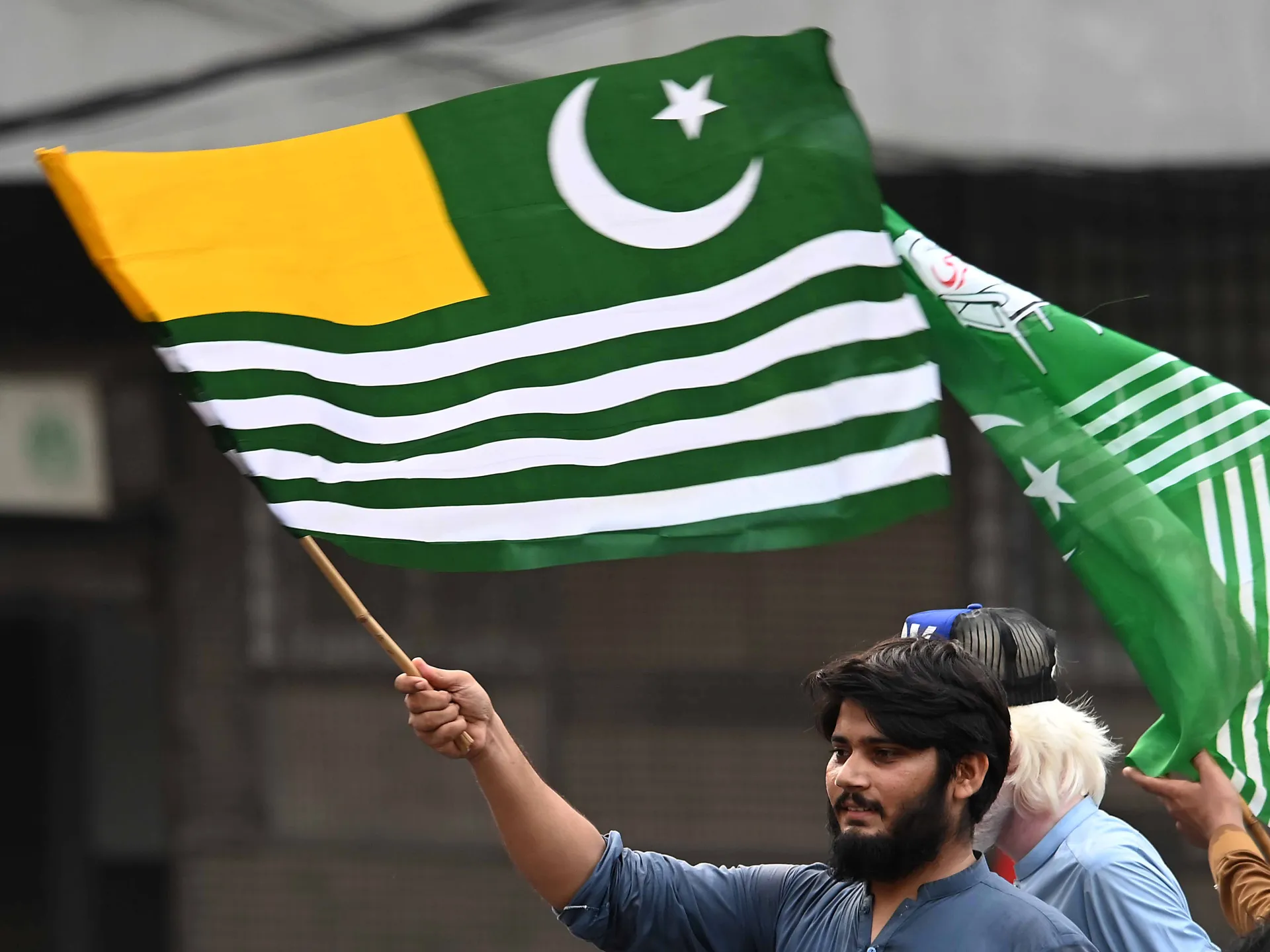
Elections for the 45-seat Legislative Assembly in Pakistan-administered Kashmir are proceeding in three stages, with voting in the restive Poonch division postponed to August 10. The electoral process is unfolding under an unofficial state of emergency declared since early June, during which nearly 40 people have been killed in clashes between protesters and security forces. Banks remained closed for two weeks, and mobile and internet services have been suspended across most of the territory.
The unrest is driven by the Jammu Kashmir Joint Awami Action Committee (JAAC), which has expanded its demands from economic grievances to a 38-point charter. The central issue is the abolition of 12 assembly seats reserved for Kashmiri refugees living outside the territory. JAAC has urged a boycott of the polls, and its leadership has been banned, arrested, or forced underground. The movement’s original proposals to replace the 12 assembly seats with four seats in the Islamabad-chaired AJK Council were rejected at an All-Parties Conference on June 3.
The AJK Supreme Court has ruled that the 12 refugee seats are protected under the AJK Constitution and can only be abolished through a formal constitutional amendment. Former AJK Chief Justice Chaudhry Muhammad Ibrahim Zia stated that no such amendment process is currently possible as the outgoing assembly’s term has ended, and one can only begin after a new legislature is elected. Zia emphasised that the seats have a firm historical and constitutional basis, rejecting suggestions that they are unconstitutional.
Pakistan’s Defence Minister Khawaja Asif stated that the future of the seats should be decided by voters in the election rather than under pressure from street protests. He urged JAAC to contest the issue in the election rather than demand its resolution beforehand. A senior government official in Poonch described the protests as challenging state authority, while JAAC leader Umar Nazir Kashmiri has reportedly communicated directly with Army Chief Field Marshal Asim Munir, suggesting that the civilian government lacks the authority to resolve the crisis.
The AJK electorate has grown to over 3.8 million voters, with the 12 refugee constituencies accounting for approximately 439,000 registered voters scattered across cities such as Lahore, Rawalpindi, and Sialkot. Analysts note that the refugee seats allow Islamabad to maintain its position that AJK represents the entire former State of Jammu and Kashmir, serving as an instrument of political influence. The dispute highlights broader questions about democracy, autonomy, and the unresolved status of Kashmir under United Nations resolutions from 1949.