JR East Unveils 'SOAR' Inspection Vehicle to Replace East-i by 2029
The new dedicated inspection vehicle, designated 'SOAR', is scheduled for deployment within the 2029 fiscal year, marking a significant update to JR East’s track maintenance capabilities.
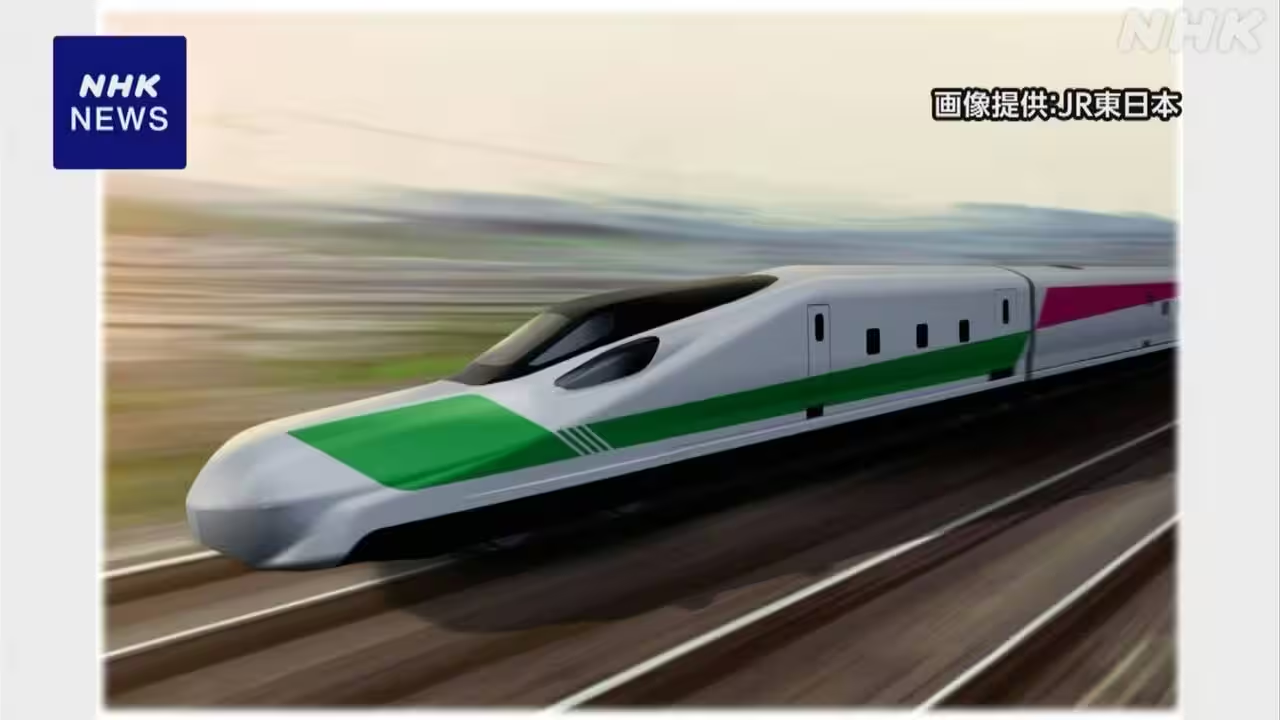
JR East has officially unveiled the design for a new dedicated inspection vehicle intended for Shinkansen tracks, naming the unit 'SOAR'. The announcement, reported by NHK News Japan on 14 July 2026, confirms the operator’s plan to introduce the new vehicle within the 2029 fiscal year.
The introduction of SOAR is part of a broader strategy to modernise track maintenance infrastructure. The new vehicle is designed to replace the current 'East-i' inspection train, which has served as the primary dedicated inspection unit for the network. While the specific timeline for the phasing out of the East-i has not been detailed, the transition to SOAR represents a key milestone in the operator’s fleet renewal schedule.
JR East described the new unit as a dedicated vehicle for inspecting Shinkansen rails and associated infrastructure. The organisation highlighted the design and the 'SOAR' designation as central to the announcement, signalling a shift in operational branding for its maintenance fleet. The vehicle is expected to assume the critical role of ensuring track integrity and safety standards across the high-speed network.
Technical specifications and operational capabilities of the SOAR vehicle remain undisclosed in the current source material. As the announcement focuses primarily on the design reveal and deployment timeline, further details regarding the vehicle’s performance metrics, inspection technologies, or efficiency improvements over the existing East-i model have not yet been released.
The confirmation of the SOAR project underscores JR East’s commitment to maintaining rigorous safety and operational standards for the Shinkansen network. With deployment targeted for the 2029 fiscal year, the operator is laying the groundwork for the next generation of track inspection technology, ensuring continued reliability for one of the world’s busiest high-speed rail systems.