Japan authorities issue urgent heatstroke warnings as Tokai and Shikoku temperatures breach 38C
The Japan Meteorological Agency reports extreme temperatures in key regions, prompting NHK to urge strict adherence to cooling and hydration protocols.
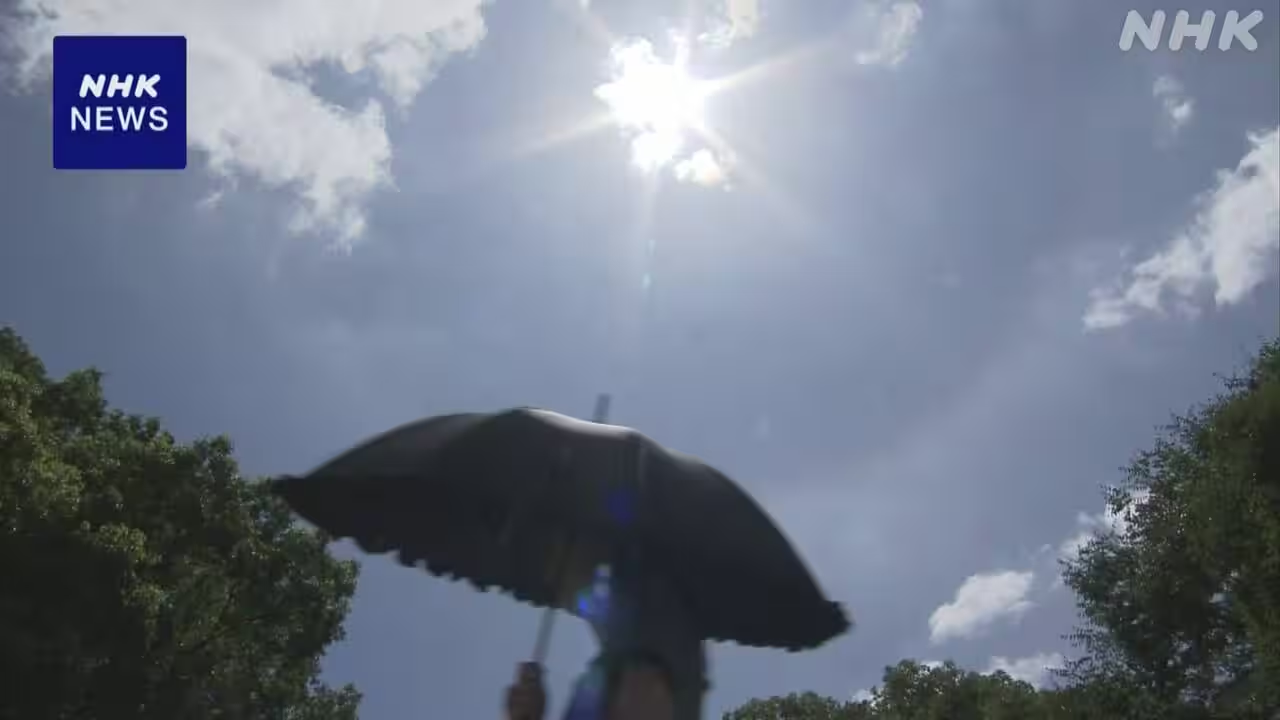
Dangerous heatwave conditions have swept across a broad swath of Japan, with the Japan Meteorological Agency recording temperatures exceeding 38 degrees Celsius in the Tokai and Shikoku regions on 14 July 2026. The extreme weather event, which affected areas stretching from eastern to western Japan, has prompted immediate public health interventions to mitigate the risk of heatstroke among the population.
In response to the rising temperatures, authorities have issued urgent guidance for residents to implement strict heatstroke prevention measures. The Japan Broadcasting Corporation (NHK) has advised the public to utilise air conditioning appropriately and to maintain regular fluid intake. These measures are framed as essential protocols to manage the physiological stress caused by the dangerous heat, particularly for vulnerable demographics such as children and the elderly.
The heatwave occurs against a backdrop of complex weather challenges facing the nation on the same day. While the focus remains on thermal safety in the affected regions, other parts of Japan are simultaneously managing different meteorological threats. A tsunami advisory was issued for the Pacific coast following a magnitude 8.2 earthquake, and Tokyo has been placed under Level 4 flood hazard alerts due to the impact of Typhoon 6.
The Japan Meteorological Agency’s data indicates that the heat in Tokai and Shikoku is not merely elevated but reaches levels classified as dangerous by official standards. This qualitative assessment by authorities underscores the severity of the conditions, distinguishing them from standard summer heat. The specific threshold of 38 degrees Celsius serves as a critical benchmark for triggering these heightened public health warnings.
NHK’s reporting, timestamped at 15:02 local time on 14 July 2026, highlights the immediate need for behavioural adaptation. The guidance to use air conditioning correctly is presented not as a technical instruction but as a vital component of public safety infrastructure. The emphasis on frequent hydration is intended to counteract the rapid dehydration risks associated with the recorded temperatures.
While the precise peak temperatures for every city within the Tokai and Shikoku regions are not detailed in the initial reports, the overarching warning covers the entire affected zones. The absence of specific heatstroke case numbers in the current data suggests that the focus is currently on prevention rather than damage assessment, indicating a proactive approach by health officials to avoid widespread illness.
As the weather situation evolves, the coordination between meteorological data and public health messaging remains central to the government’s response. The simultaneous occurrence of heat warnings, tsunami advisories, and flood alerts demonstrates the multifaceted nature of disaster management in Japan, requiring citizens to remain vigilant across multiple risk categories.