Israeli forces block aid delivery to besieged Qusra families amid policy shift
Approximately 15 Palestinians, including two children, remain trapped in three homes in the occupied West Bank, while political scientists warn that proposed transfers of law enforcement authority to the police are driven by political rather than security considerations.
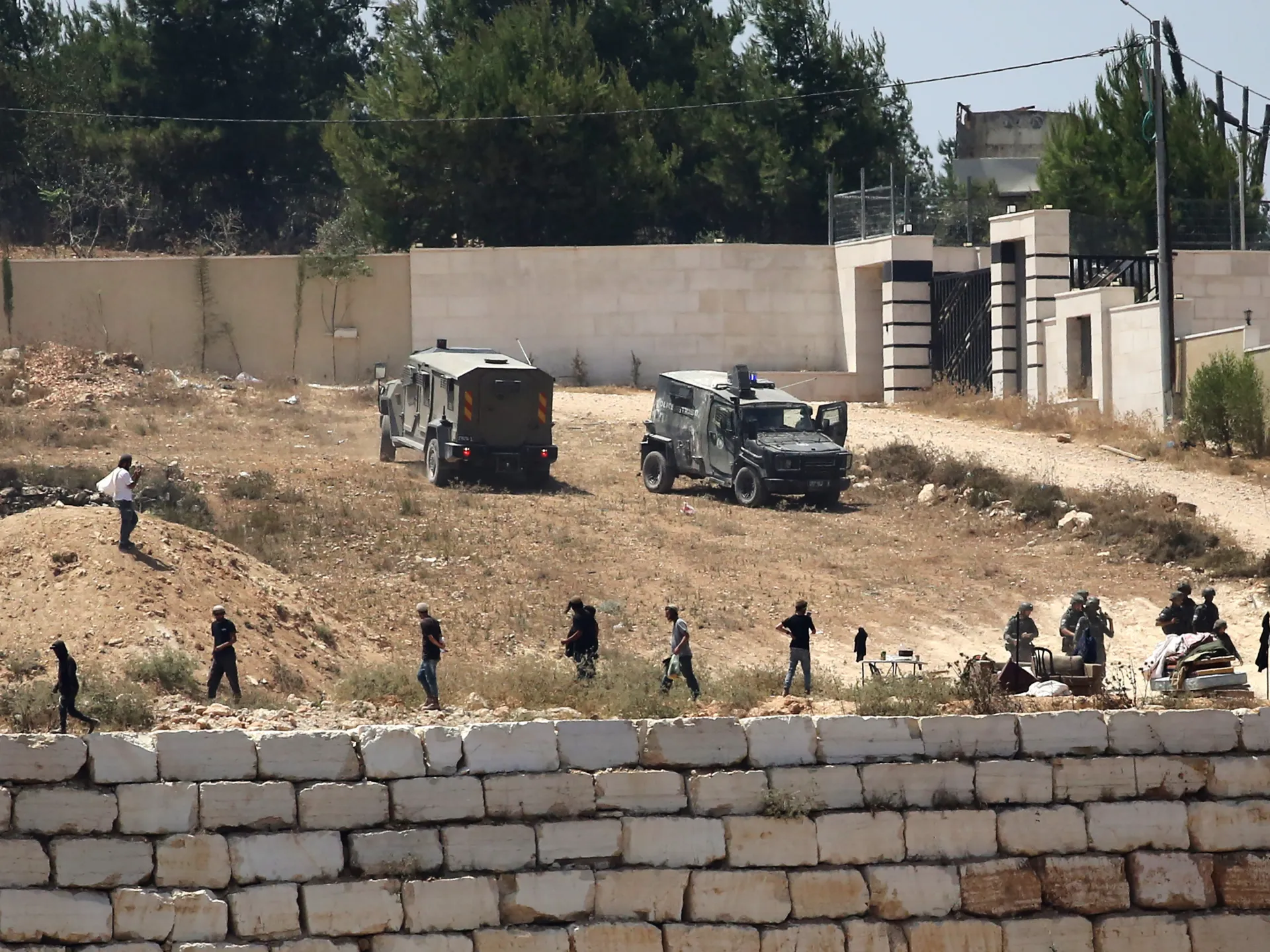
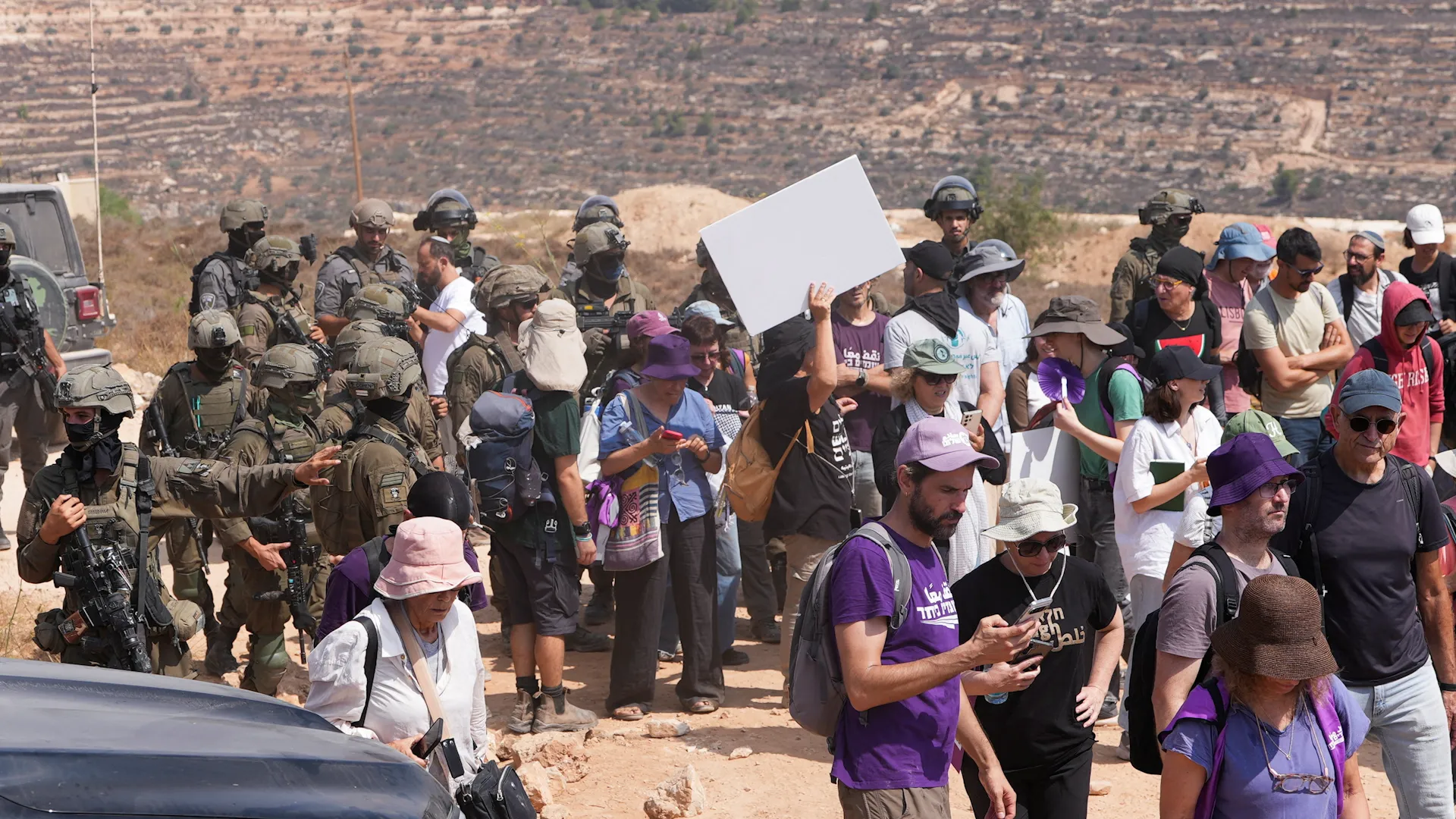
Israeli forces have prevented Israeli and foreign activists from delivering food and water to approximately 15 Palestinians trapped in three homes in Qusra, south of Nablus, for nearly a week. The families have been besieged by settlers who blocked roads with stones, cut utilities, and erected a nearby tent. Activists from Peace Now and Italy were stopped or forced to leave after the area was declared a closed military zone. Residents refused orders to temporarily vacate their homes due to fears of displacement.
The Palestinian news agency Wafa reported that the activists were attempting to reach the Ras al-Ain area on Friday when Israeli forces deployed reinforcements to block their entry. Al Jazeera’s Laith Jaar, reporting from Qusra, stated that the military had declared the zone closed and halted members of the Israeli group Peace Now from reaching the families. Qusra Mayor Abdel Azim Wadi told Wafa that Israeli forces had also forced Italian activists who managed to reach the homes earlier in the week to leave.
Settlers began surrounding the homes earlier this week, preventing residents from entering or leaving freely. Water and electricity supplies to the three homes have been cut, leaving the families to rely on temporary solar power and leftover well water. The United Nations described the residents as trapped in a state of terror, unable to attend to their basic needs. The UN recorded more settler attacks in Qusra earlier this year than in any other community in the occupied West Bank.
Israeli forces entered the area a day earlier and ordered the families to temporarily leave their homes. The residents refused to leave the area and instead gathered in one of the three houses, fearing their homes could be taken over if abandoned. Jaar reported that settlers again attempted on Friday to erect a tent and establish an outpost near the homes before Israeli forces removed it.
The developments come as Israeli Defence Minister Israel Katz has ordered preparations for transferring responsibility for enforcing civilian law involving settlers in the occupied West Bank from the military to the Israeli police. Political scientist Ibrahim Rabaia told Al Jazeera that the proposed move appeared to be driven by political considerations and questioned how broadly it could be implemented. He said the military remains responsible for the occupied West Bank under the existing system, while coordination between the army and police already takes place.
Rabaia argued that transferring responsibilities would be unlikely to result in police preventing settlers from attacking Palestinian homes. “The police are controlled by National Security Minister Itamar Ben-Gvir, who arms these settlers and supports them in the West Bank,” he said. Rabaia, an academic in political science and former managing editor of the journal Palestinian Affairs, said settlement expansion had reached an advanced stage, with infrastructure, funding and planning being put in place to create what he described as “a reality that cannot be reversed,” including new areas capable of accommodating larger numbers of settlers in the future.