Saudi Arabia formalises Red Sea maritime coalition amid regional security tensions
The Saudi Ministry of Defence has announced the institutional activation of a new defence alliance, appointing a commander and outlining joint naval protocols to counter Houthi disruptions in the Bab al-Mandeb Strait.
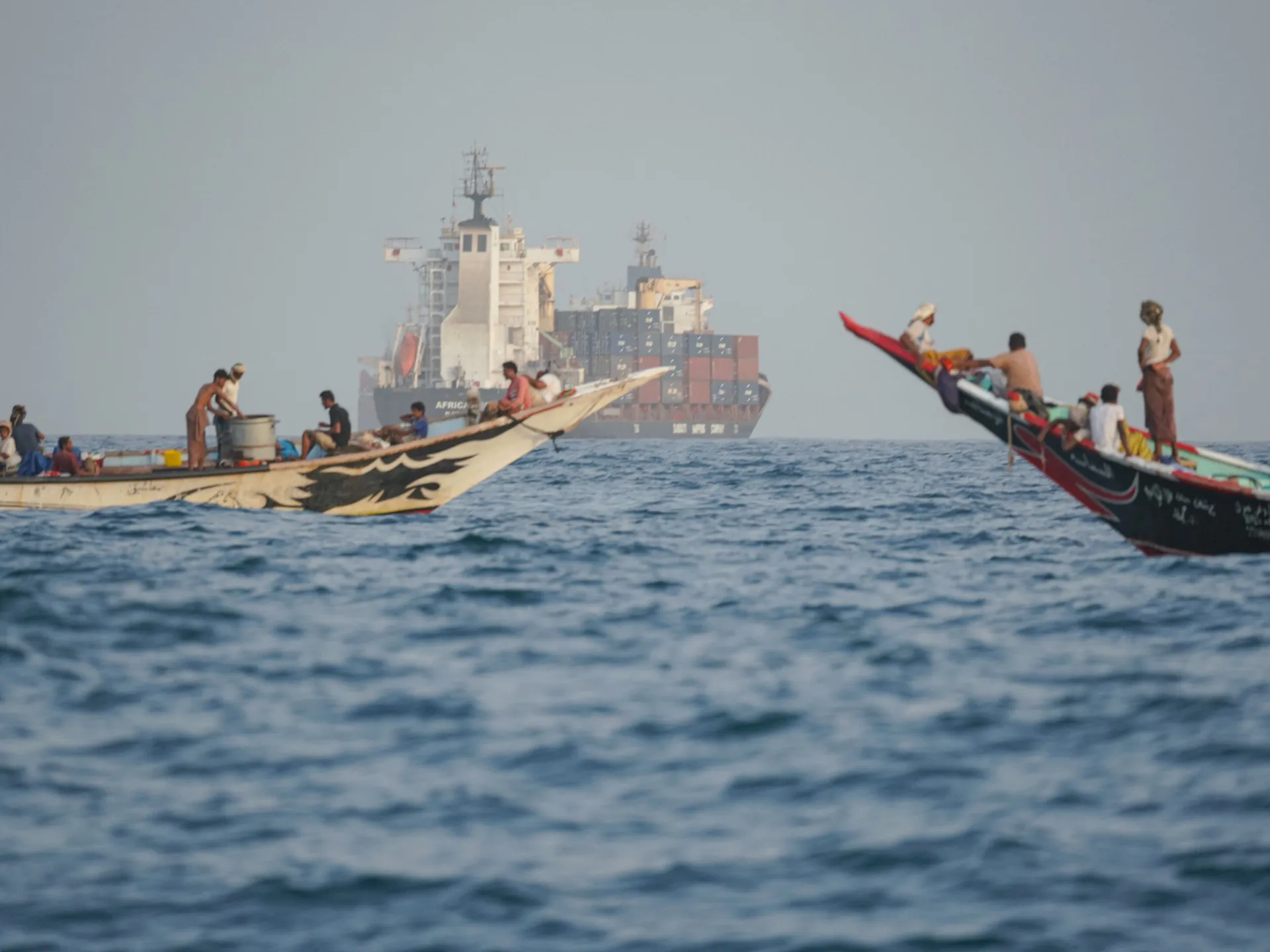
Saudi Arabia and 13 other nations have officially launched the Multinational Maritime Defense Alliance, a maritime military coalition designed to safeguard freedom of navigation through the Bab al-Mandeb Strait, the Red Sea, and the Gulf of Aden. The announcement, made by the Saudi Ministry of Defence following a meeting in Jeddah on August 13, marks the transition from political agreement to institutional and operational activation.
The coalition comprises Bahrain, Bangladesh, the Comoros, Djibouti, Egypt, Jordan, Kuwait, Pakistan, Qatar, Saudi Arabia, Somalia, Sudan, Turkiye, and Yemen. A total of 15 countries have signed the joint statement, with two additional nations expected to join after completing necessary national procedures. The Saudi Defence Ministry described the alliance as an “open international coalition” that continues to receive membership applications from countries aligning with its goals.
Rear Admiral Abdullah bin Salem Al-Shehri has been appointed as the coalition’s commander. He will oversee joint naval defence, coordinate with member states and other maritime coalitions, and carry out missions under the coalition’s charter. The operational framework includes intelligence exchange, operational planning, joint naval exercises, and capacity building, though specific details on execution are still being formulated.
The launch occurs amidst ongoing US-Israel military actions against Iran and increased Houthi attacks on Saudi-flagged vessels in the Red Sea. Houthi fighters, who control Yemen’s capital Sanaa, have been attacking shipping since the escalation of the conflict began in late February. The Bab al-Mandeb Strait is a critical global supply route, and its potential closure would significantly impact global energy exports, particularly given the nearby Strait of Hormuz carries approximately 20 percent of global oil and natural gas exports.
Ahmed Nagi, an international crisis analyst, noted that while previous maritime security initiatives struggled to translate political commitments into tangible results, this alliance represents a strategic effort by Riyadh to frame the security threat as a global concern. Nagi observed that the alliance is currently largely defensive, aiming to raise the cost of Houthi attacks and create a stronger deterrent, though he cautioned that its significance will depend on its ability to deliver concrete action on the ground.