Islamic University of Gaza seeks to rebuild academic infrastructure amid ongoing conflict
An assessment by the Palestinian Ministry of Education and Higher Education, in cooperation with UNESCO, indicates that most higher education institutions in Gaza sustained significant damage since 2023.
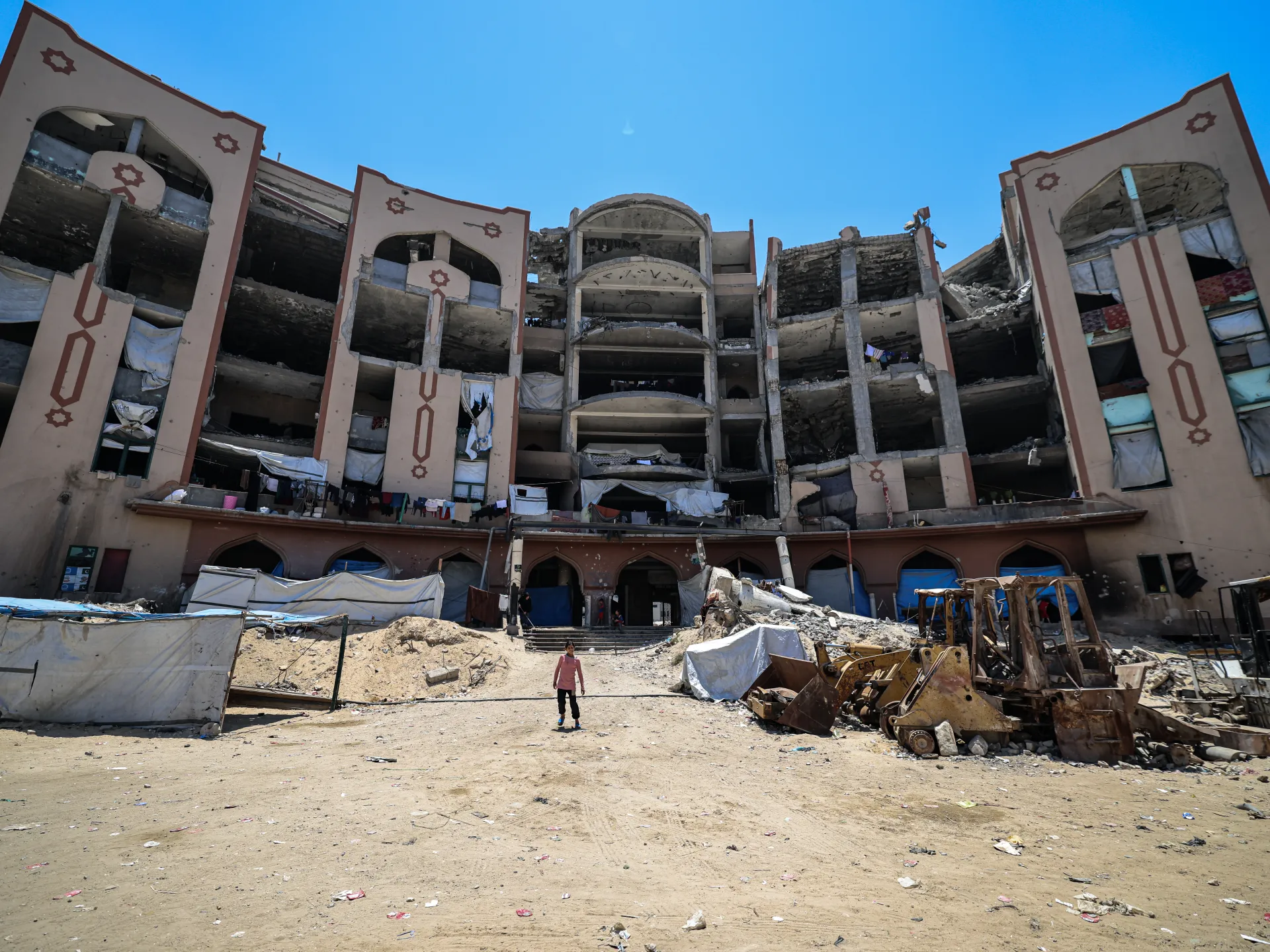
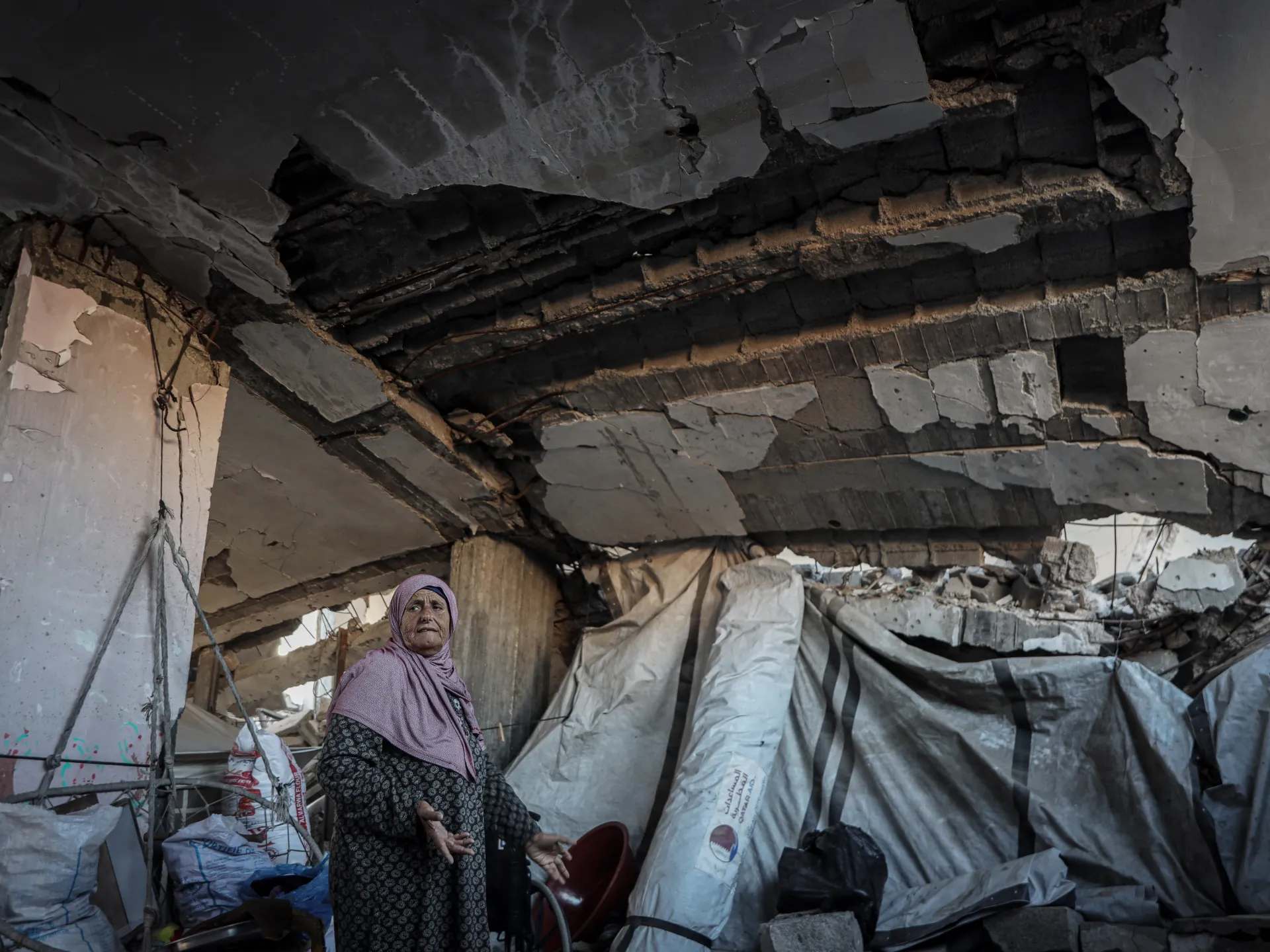
Staff and students at the Islamic University of Gaza are attempting to restore academic operations following extensive damage to infrastructure caused by Israeli military strikes. The conflict has destroyed 19 educational buildings, severely damaged approximately 500 classrooms and 200 scientific laboratories, and resulted in the loss of over 240,000 library resources, including thousands of scientific devices. With many facilities repurposed as shelters for displaced persons, the university has implemented temporary measures such as digital simulations, recorded experiments, and field training in hospitals.
An assessment by the Palestinian Ministry of Education and Higher Education, in cooperation with UNESCO, indicates that most higher education institutions in Gaza sustained significant damage since 2023. The war, which began on October 8, 2023, saw the medicine faculty destroyed on December 9, 2023. A ceasefire beginning in October 2025 has been repeatedly violated, leaving the institution to navigate a landscape where mass displacement led to campus buildings being converted into temporary shelters.
The university lost thousands of scientific devices, including anatomy models and educational skeletons that had arrived just days before the war began. Abdulraouf Ali al-Manama, dean of the health sciences faculty, described the past three years as one of the greatest disasters in the university’s history. He noted that the loss of integrated educational environments has severely affected the ability to teach disciplines requiring practical training, such as medicine, health sciences, and engineering.
To reduce travel risks for scattered students, the university has established five branches across the Gaza Strip. It relies heavily on online education and virtual simulations for subjects like medical microbiology and biochemistry. Medical student Deema Muhaisen has volunteered in emergency departments and surgery units to gain practical experience, noting a lack of regular clinical interaction under academic supervision. She stated that while field experience has strengthened her sense of responsibility, the absence of laboratory learning remains a significant gap.
Reconstruction requires new laboratory analysis equipment, microscopes, incubators, sterilisation devices, specialised computers, chemicals, and reagents. The university aims to gradually reintroduce in-person lectures and rebuild its educational system to support Gaza’s future recovery. However, planning remains at a theoretical stage, reliant on accessing necessary funds and importing equipment amidst ongoing siege restrictions.