Iran’s ‘Woman, Life, Freedom’ movement persists as hijab penalties face revival
Four years after Jina Mahsa Amini’s death triggered nationwide protests, some Iranian women continue to defy mandatory hijab rules despite repression and proposed tougher penalties.
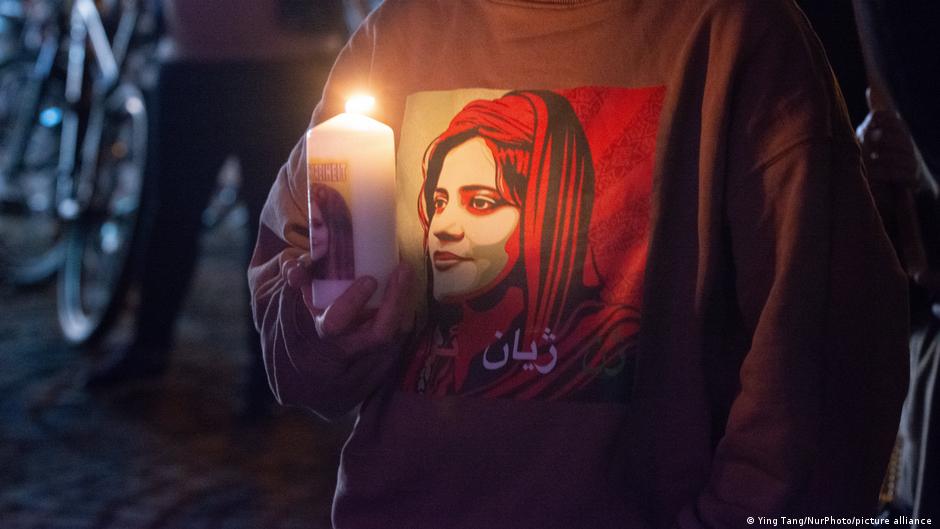
Jina Mahsa Amini’s death in a Tehran hospital on 16 September 2022 sparked nationwide protests under the slogan “Woman, Life, Freedom”. The 22-year-old Kurdish woman had been detained by morality police three days earlier over alleged violations of Iran’s mandatory hijab rules.
The protests were eventually suppressed in a violent crackdown, but activists say the movement changed how many Iranians view their capacity to challenge state authority. Women’s rights activist Pouran Nazemi told Deutsche Welle that the protests did not achieve their stated aims of ending the hijab mandate and state violence, but produced what she described as a fundamental social shift.
Some young women continue to appear in public and on social media without hijab. A 17-year-old student told Deutsche Welle she regarded this as normal, while saying her mother still carried a scarf in case she needed to cover her head during a confrontation.
At the same time, Iranian lawmakers are seeking progress on legislation that would impose significantly stricter punishments for women who violate hijab rules in public. The bill has remained delayed amid disputes between state institutions. During a parliamentary session on 6 September, several lawmakers urged Speaker Mohammad Bagher Ghalibaf to send the proposal to the president for approval. The source does not establish whether that request succeeded.
Activists also place the movement within a longer history of women’s resistance. In 2006, Mansoureh Shojaee and other activists launched the “One Million Signatures” campaign to challenge discriminatory laws concerning issues including divorce, custody, inheritance and court testimony.
The campaign was met with arrests and prosecutions and did not reach its signature target. Shojaee said it nevertheless changed public discussion of women’s legal and social position, viewing “Woman, Life, Freedom” as another chapter in Iran’s longer history of feminist activism rather than a complete break with the past.