Iran’s Supreme Leader conditions US peace deal on end to Israeli attacks in Lebanon
Tehran rejects US-mediated framework for Israeli withdrawal, citing ongoing military operations in southern Lebanon and obstruction of pilot zones by Israeli forces.
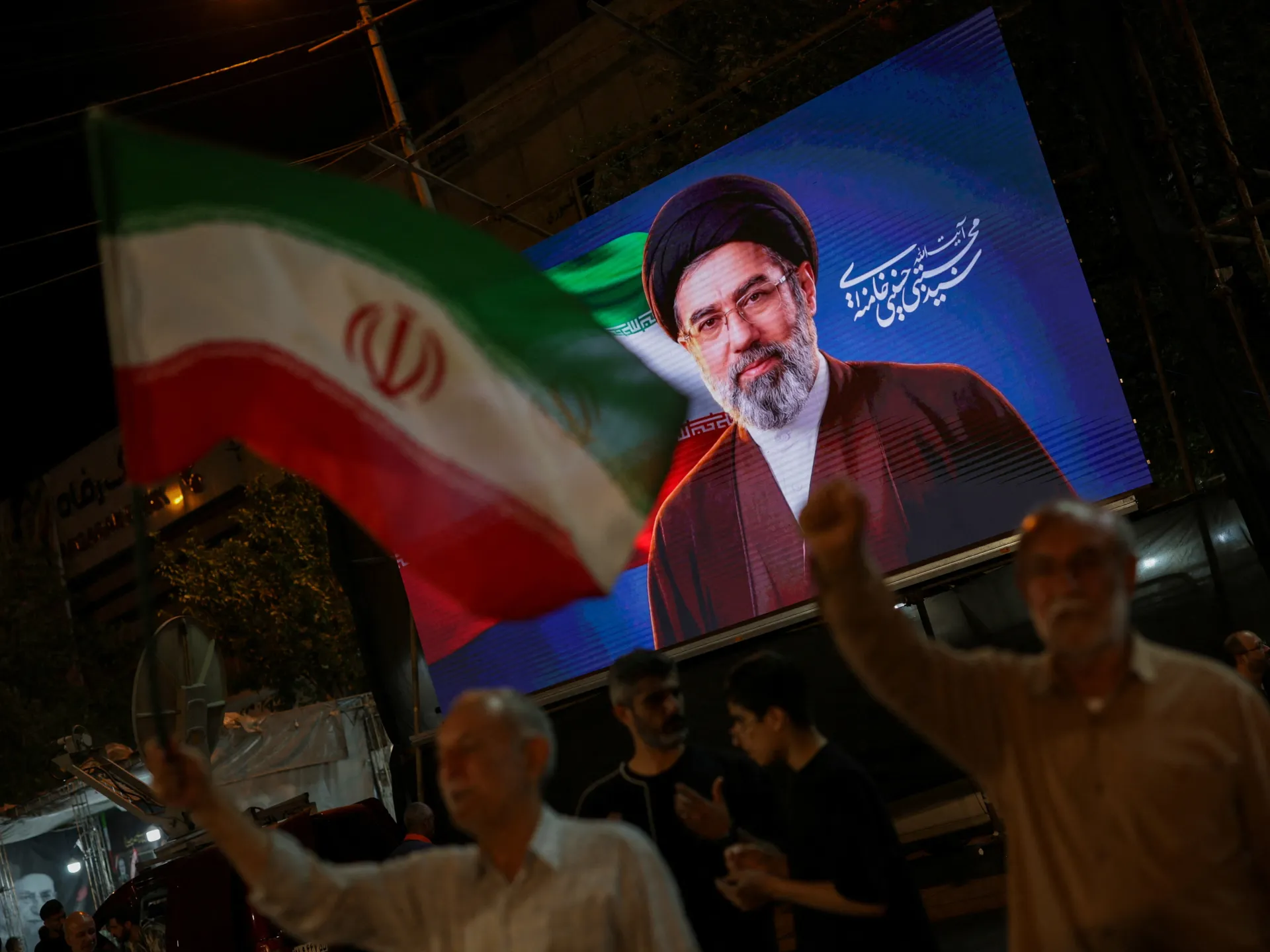
Iran’s Supreme Leader Mojtaba Khamenei has declared that any peace agreement between Tehran and the United States is strictly contingent upon Israel ceasing its military operations in Lebanon. In a statement posted on X on Sunday, Khamenei designated the preservation of Lebanon’s territorial integrity and the “absolute, unconditional termination” of Israeli aggression as the primary conditions for any deal aimed at ending the conflict.
The intervention by Khamenei, who assumed the role following the assassination of his father, former Supreme Leader Ali Khamenei, on 28 February, underscores Iran’s strategic mandate to support Hezbollah and the population of southern Lebanon. Khamenei described the defence of these groups as a core obligation of the Islamic Republic, reinforcing Tehran’s position that regional stability cannot be decoupled from the cessation of hostilities in Lebanon.
This diplomatic stance coincides with renewed, albeit fragile, diplomatic channels between Tehran and Washington. Although a Memorandum of Understanding signed in June initially included a clause requiring an end to Israeli strikes as a precondition for peace, the agreement subsequently collapsed due to disputes regarding control of the Strait of Hormuz. Despite reports of a temporary halt in attacks, technical and political consultations on maritime management continue, with Iranian officials describing the talks as useful but noting that the waterway remains a primary point of contention.
On the ground, the situation in southern Lebanon remains volatile. A US-mediated framework agreement signed by Lebanon and Israel on 26 June stipulates a phased Israeli withdrawal from occupied territories, conditional on the disarmament of Hezbollah. However, Iran and Hezbollah have rejected this deal. The Lebanese army reported on Sunday that Israeli forces are obstructing the withdrawal process from designated “pilot zones” by refusing to vacate specific territories, continuing to conduct bulldozing, shelling, and combing operations across occupied areas.
The human cost of the ongoing violence continues to mount, with at least 4,329 people killed in Lebanon, alongside 37 Israeli soldiers and four civilians. UN peacekeepers have reported that Israel violated a previous ceasefire between Hezbollah and Israel more than 10,000 times. As the conflict expands, with reports of an exchange of attacks between the Houthis and Saudi Arabia in Yemen, the diplomatic impasse between Iran and the US remains tightly bound to the military realities on the Lebanese border.