Iran’s economy faces severe strain as US war expands beyond Strait of Hormuz
Tehran grapples with rolling power cuts, fuel deficits, and a near-closed strategic waterway as conflict disrupts maritime trade and social stability.
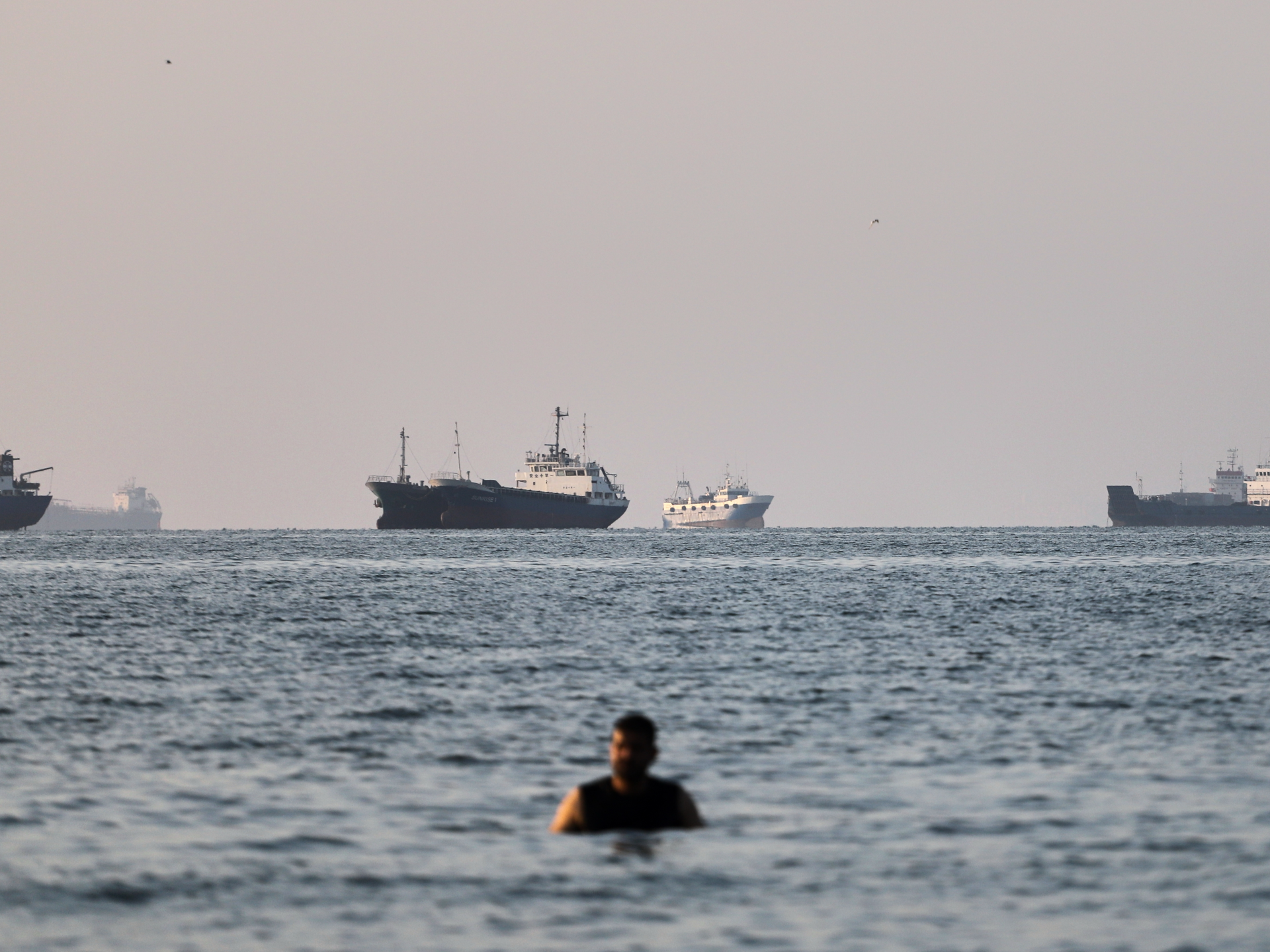
Iran and the United States have resumed mediated talks, resulting in a temporary suspension of military action, yet the broader conflict continues to disrupt international maritime corridors and Iran’s domestic economy. The US has imposed a second naval blockade on Iran’s southern ports, impacting exports through Kharg Island, while the Strait of Hormuz remains near-closed. Tensions persist in the Red Sea and Caspian Sea, where Houthi disruptions and a Ukrainian strike on a vessel have further complicated regional security dynamics.
The Iranian government is grappling with significant infrastructure damage, including a loss of natural gas output and a petrol deficit, leading to rolling electricity cuts and potential fuel price hikes amid rising poverty and social discontent. The Ministry of Petroleum reported that Iran sold $11.5bn of crude oil during the war and $6.5bn during the period of the suspended memorandum of understanding, representing 60 percent of the full-year oil revenue target. However, the renewed blockade risks further reducing export revenues and piling pressure on Kharg Island, through which approximately 90 percent of Iran’s crude oil exports pass.
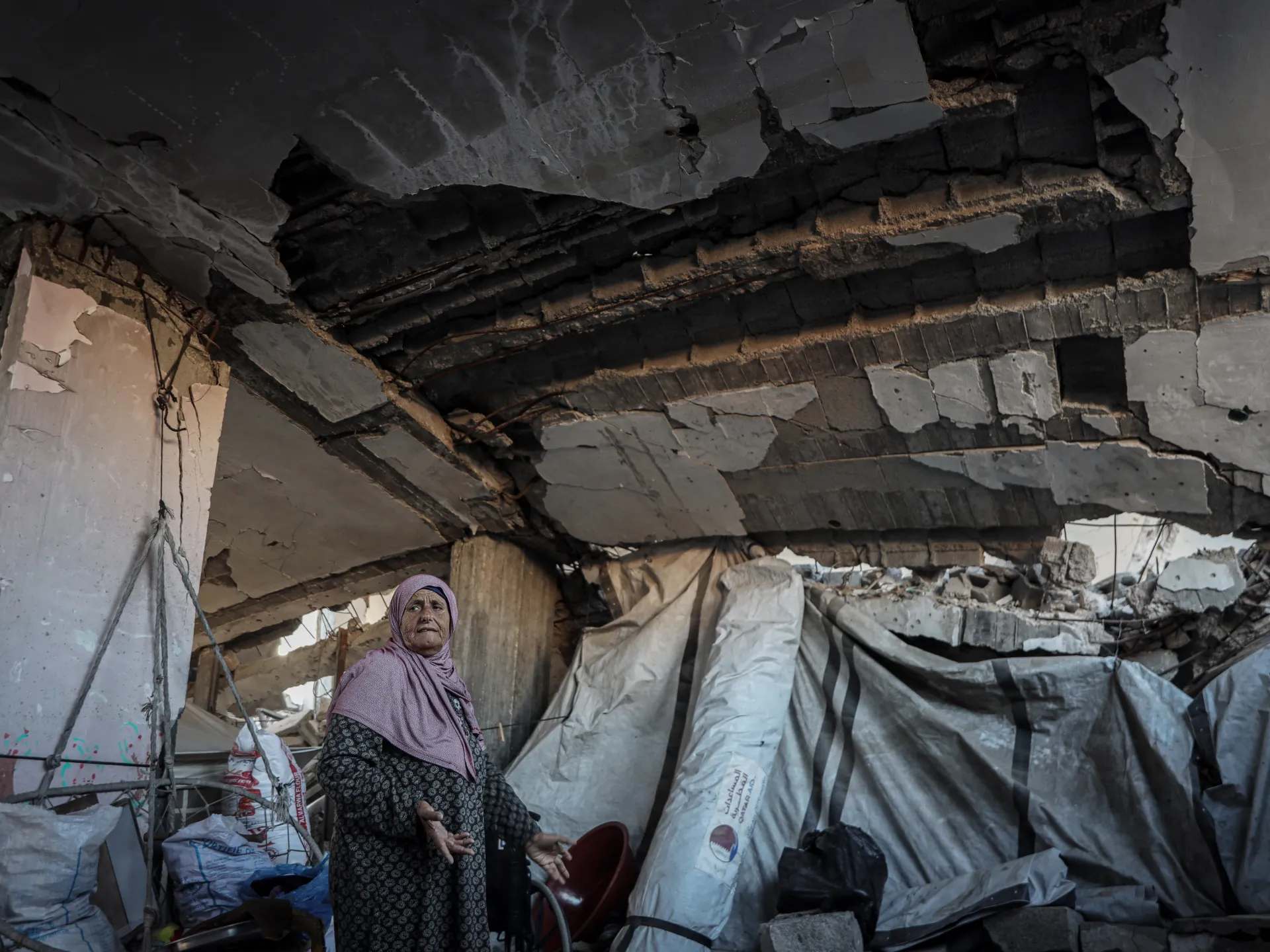
Domestically, the economic strain is exacerbated by structural issues and years of harsh sanctions. Iran’s infrastructure has suffered significant damage during the conflict launched by the US and Israel in late February, with the government stating that about 230 million cubic metres per day of natural gas output has been lost. This reduction has worsened electricity and petrochemical shortages, forcing authorities to manage a petrol deficit of more than 20 million litres per day through limited imports and blending fuel components.
The government is seriously considering doubling the price of a third tier of monthly petrol quotas allocated to individuals, a move that raises fears of social unrest given recent protest history. An overnight fuel price increase in November 2019 triggered deadly nationwide protests, and another hike in December preceded a wave of demonstrations where thousands were killed in a government crackdown in January. President Masoud Pezeshkian has ordered industries not to be cut off until late September to avoid further inflaming a bruised jobs market, as rolling electricity cuts also create water and communications disruptions.
Trade with China, Iran’s largest trading partner, has deteriorated significantly, with non-oil trade falling by 75 percent in March and June compared to a year before. The closure of the Strait of Hormuz has curtailed overall crude oil imports by China, while war-risk premiums in the Red Sea have raised import and insurance costs for all. Meanwhile, the Caspian Sea has become a new flashpoint after Ukraine struck a vessel, raising concerns that this previously safe trade route could become a scene of military confrontation, further isolating Iran’s economy.