Iranian Foreign Minister shifts diplomatic focus to Moscow as Washington stalls on peace framework
Abbas Araghchi departs Pakistan for Moscow to consult senior officials, following an indefinite ceasefire extension that has yet to yield a permanent settlement
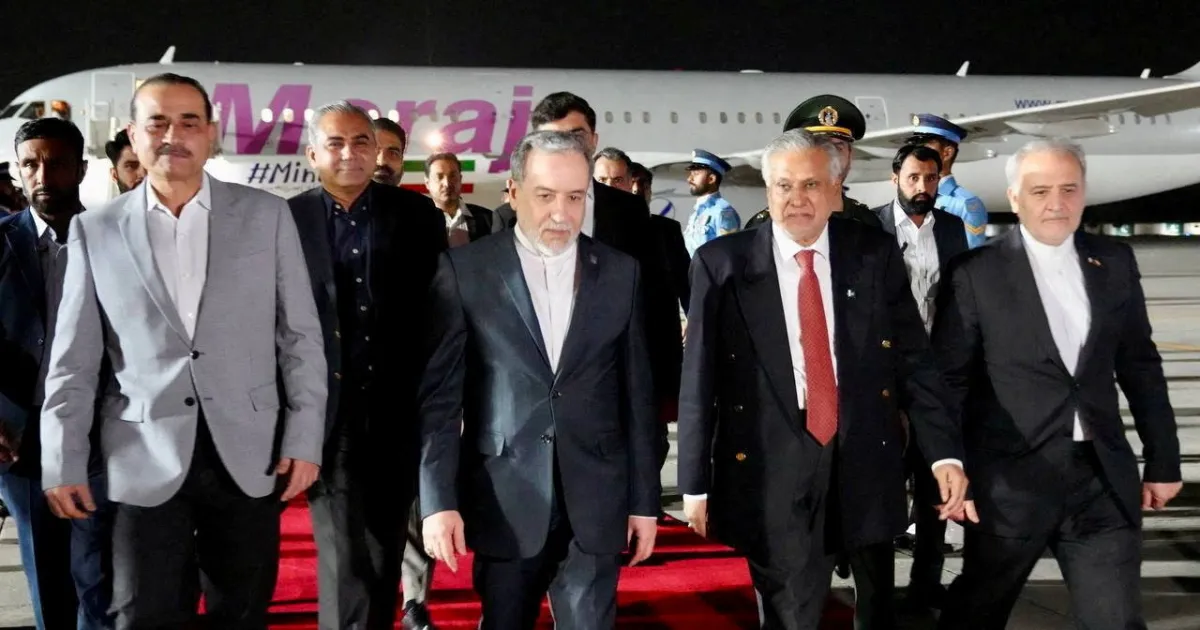
Iranian Foreign Minister Abbas Araghchi has departed Pakistan for Moscow to engage with senior Russian officials, a move designed to sustain diplomatic efforts regarding the ongoing conflict with the United States. This high-level visit follows the indefinite extension of a ceasefire between Tehran and Washington, a decision announced by US President Donald Trump that has largely halted fighting since the joint US-Israeli strikes of late February. Despite this pause in hostilities, a permanent settlement remains elusive, prompting Tehran to seek alternative avenues for dialogue while direct talks with Washington remain stalled.
While the path to direct negotiation has been severed by the cancellation of a planned US envoy mission to Islamabad, indirect communication continues through third-party channels. Reports indicate that Iran has transmitted written messages to the United States via Pakistan outlining specific red lines concerning nuclear issues and the Strait of Hormuz. However, these transmissions were clarified as not being part of formal negotiations, leaving the substantive dialogue between the two nations in a state of suspension. The US administration has simultaneously asserted that it holds all the cards, with President Trump stating there is no point in discussing nothing and insisting that future engagement must be initiated by Tehran.
The strategic pivot to Moscow comes amidst a backdrop of significant economic disruption caused by the conflict. Iran has effectively blocked the Strait of Hormuz, a vital maritime chokepoint, which has sent global prices soaring for oil, natural gas, and fertiliser. In response, the United States has imposed a blockade on Iranian ports, creating a tense standoff that reverberates through global markets. The visit by Foreign Minister Araghchi aims to navigate these complexities, though it remains unclear whether he will specifically meet with Russian President Vladimir Putin during his time in the capital.
Prior to his departure for Russia, Araghchi conducted a series of meetings in Islamabad and Muscat with key Pakistani leadership, including Prime Minister Shehbaz Sharif, Foreign Minister Ishaq Dar, and military chief Asim Munir. These engagements underscore the continued reliance on Pakistan as a mediator, even as the US administration has withdrawn its own diplomatic presence from the region. The Iranian foreign ministry confirmed the trip to Moscow without specifying the exact agenda, while Russia's foreign ministry acknowledged the visit but offered no details on high-level meetings with the Kremlin.
The atmosphere surrounding these diplomatic overtures is marked by deep scepticism regarding the sincerity of Washington's intentions. Araghchi has previously indicated that he has yet to see if the United States is truly serious about diplomacy, a sentiment reinforced by the abrupt cancellation of the US envoy team comprising Steve Witkoff and Jared Kushner. President Trump's comments, delivered to Fox News, suggested that the cancellation was a strategic decision rather than a signal of a return to open hostilities, yet the practical result is a significant reduction in direct American engagement with Pakistani and Iranian officials.
As the ceasefire extends indefinitely, the focus shifts to whether these fragmented diplomatic efforts can bridge the widening gap between Tehran and Washington. The combination of blocked shipping lanes, economic sanctions, and the withdrawal of American envoys suggests that while the fighting has paused, the underlying conflict remains unresolved. The upcoming meetings in Moscow will be closely watched to determine if Russia can provide a more stable platform for negotiations as the US pulls back from the negotiating table.