Iran suspends retaliatory strikes following US pause in bombing campaign
Tehran halts attacks in direct response to Washington’s two-week pause, while President Trump denies ammunition shortages despite reports of diminishing interceptor supplies.
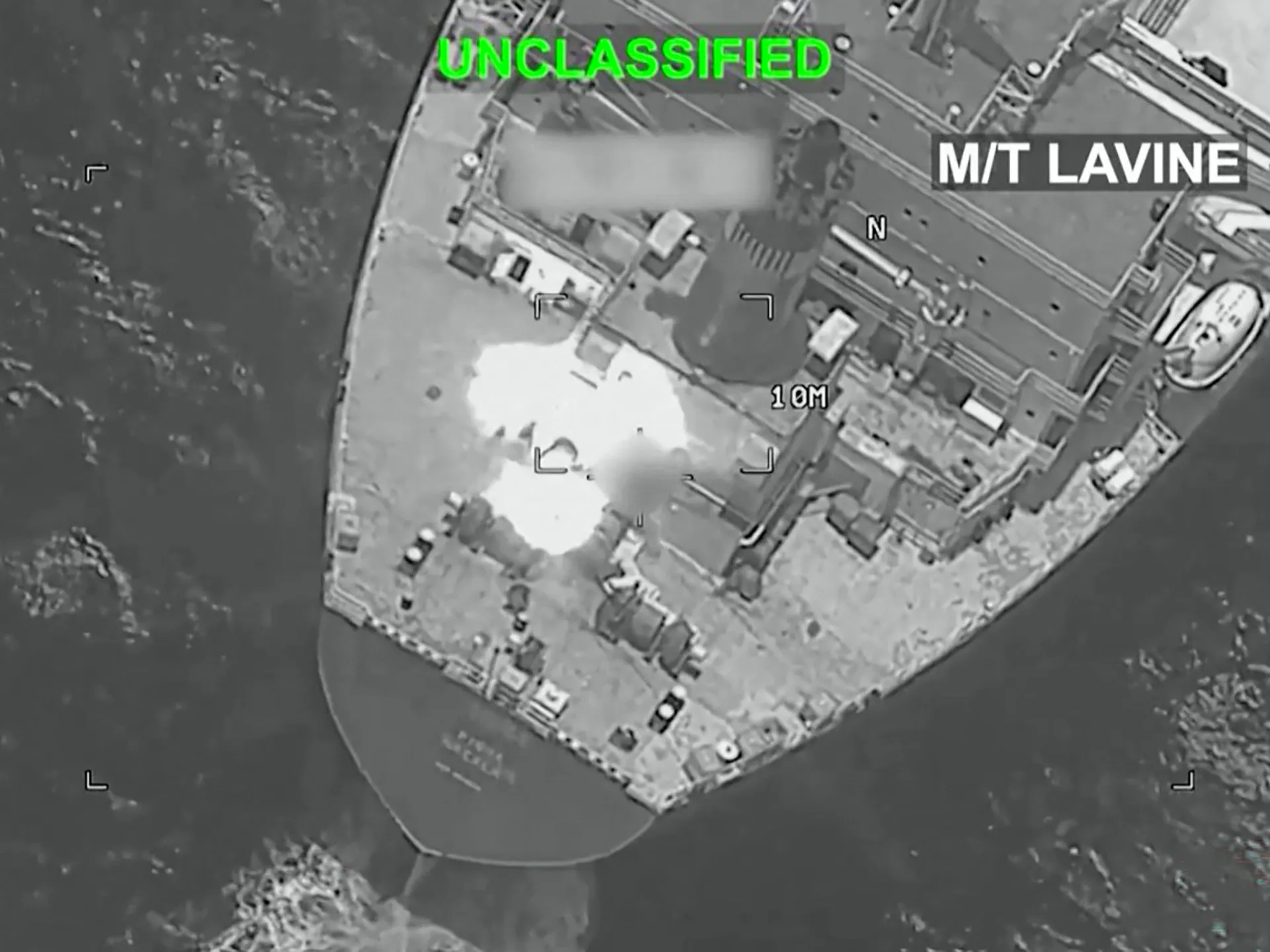
Iran has suspended its retaliatory attacks against the United States, a move that directly mirrors Washington’s decision to pause its two-week bombing campaign against Tehran. The cessation of hostilities marks a significant shift in the escalation dynamic, with Iranian forces halting operations in response to the American military stand-down.
The pause in the US bombing campaign coincides with intensifying diplomatic mediation efforts aimed at de-escalating the conflict. While the specific duration and conditions for the resumption of strikes remain unclear, the simultaneous halt in Iranian retaliatory measures suggests a coordinated, albeit fragile, de-escalation phase driven by external diplomatic pressure and internal strategic calculations.
Strategic considerations appear to be a primary driver behind the US decision to halt escalation. The New York Times has reported that concerns regarding the diminishing stockpile of missile interceptors and other air defence munitions in the Middle East influenced the choice to pause the campaign. These logistical constraints highlight the operational limits facing US forces despite the ongoing nature of the conflict.
Despite these reported logistical concerns, President Trump has publicly rejected claims that the United States is facing ammunition shortages. In a bid to project continued military strength, the President has circulated AI-generated imagery purporting to depict the strikes, although the veracity of these images has not been independently verified as authentic photographic evidence of the operations.
Although the active bombing and retaliatory strikes have paused, the United States maintains a state of high military readiness. Officials, including Waltz, have noted that President Trump previously described the nation as "locked and loaded," underscoring the precarious nature of the current ceasefire and the potential for rapid resumption of hostilities if diplomatic efforts fail.