Iran holds firm on Hormuz transit conditions as US escalates economic pressure
Tehran works with Oman on alternative shipping routes while Washington announces new blockade measures and sanctions
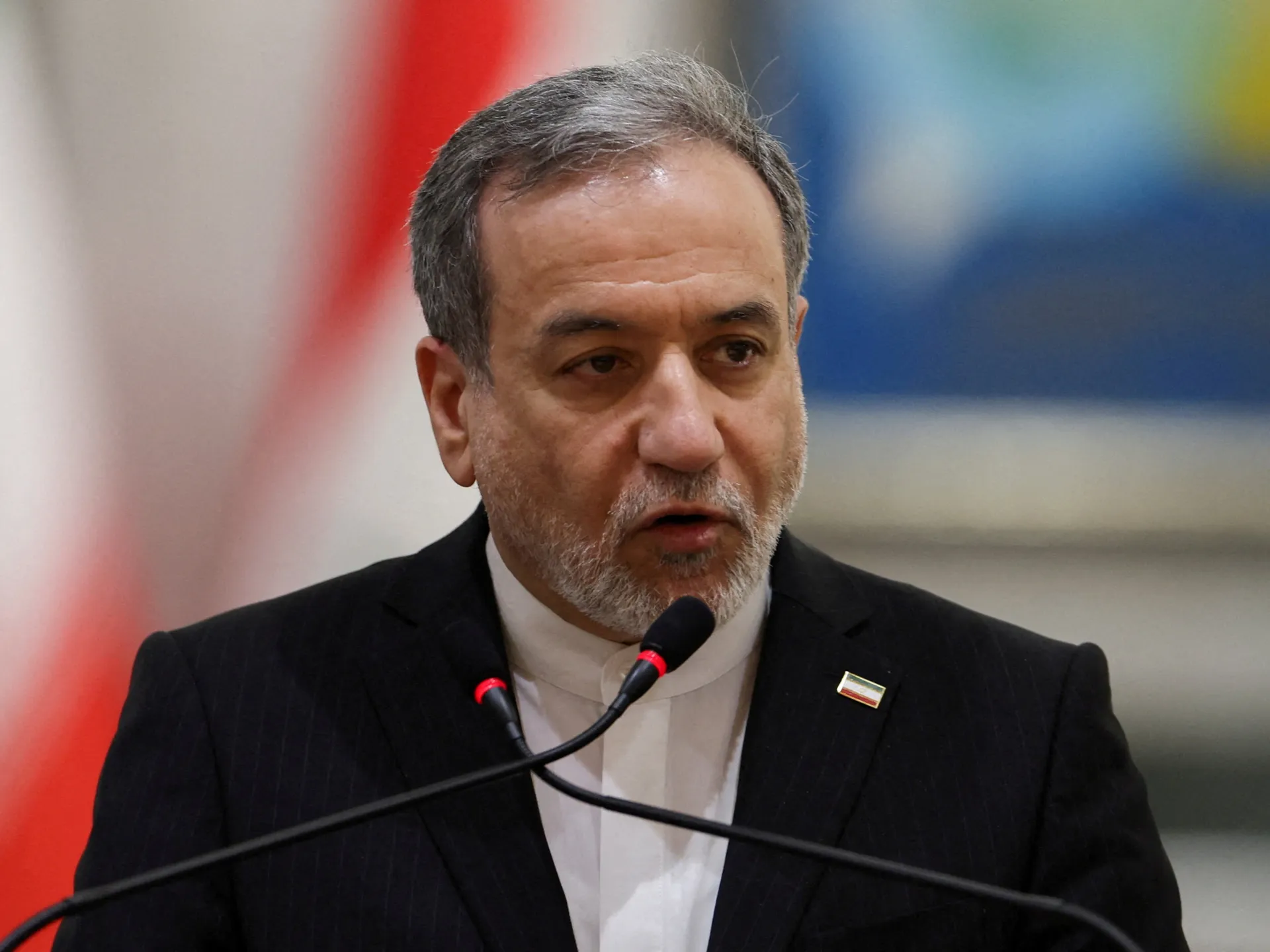
Iranian Foreign Minister Abbas Araghchi has confirmed that Tehran has not yet decided to resume negotiations with the United States to end the ongoing conflict, citing unresolved disagreements over ceasefire violations. Speaking in a Telegram post on Saturday, Araghchi reiterated remarks made to local media, stating that while mediators from Qatar and Pakistan are in contact with Iranian officials, these interactions do not constitute formal negotiations.
The minister placed responsibility for the return to violence on the United States following the signing of a memorandum of understanding in Pakistan in June. Araghchi noted that both sides later alleged violations of the agreement, leading to the resumption of hostilities. He asserted that a new path out of the conflict must be defined, with Iran currently working with Oman on a technical process to establish new shipping routes in the Strait of Hormuz.
Araghchi clarified that the previous routes are no longer functional and that Iran is designing a temporary route that may become permanent in later stages. However, he emphasised that the resumption of shipping traffic remains contingent on the United States meeting specific political conditions. This stance comes amidst heightened tensions after US President Donald Trump declared his intention to claim the Strait of Hormuz as US territory following the defeat of Iran.
In response to Trump’s comments, Kazem Gharibabadi, Iran’s deputy foreign minister for legal and international affairs, stated on X that the Strait has been, is, and will remain Iranian. The dispute over control of the waterway has intensified, with the UAE’s Abu Dhabi National Oil Company reporting on Friday that one of its ships came under attack while transiting the Strait.
The diplomatic stalemate follows six months of fighting that has failed to achieve Washington and Israel’s stated aims of overthrowing Iran’s leaders or opening the Strait. In response to the lack of progress, US Treasury Secretary Scott Bessent announced new economic measures, including a blockade of Iranian ports and the dismantling of currency exchange houses and shell companies used for financial transfers. Bessent described the strategy as a combination of unprecedented economic isolation and continued naval blockades.
Despite the escalation, Marc Ginsberg, a former US ambassador and White House Middle East policy adviser, told Al Jazeera that the current situation resembles a game of economic chicken. He suggested that while the White House lacks a clear strategy to resolve the standoff, the administration is likely to cave before the Iranian government does, noting that previous sanctions have led to protests but not regime change.