Morocco fortifies Ceuta border in response to online migration calls
Rabat reinforces perimeter ahead of potential mass crossing as regional demographics shift
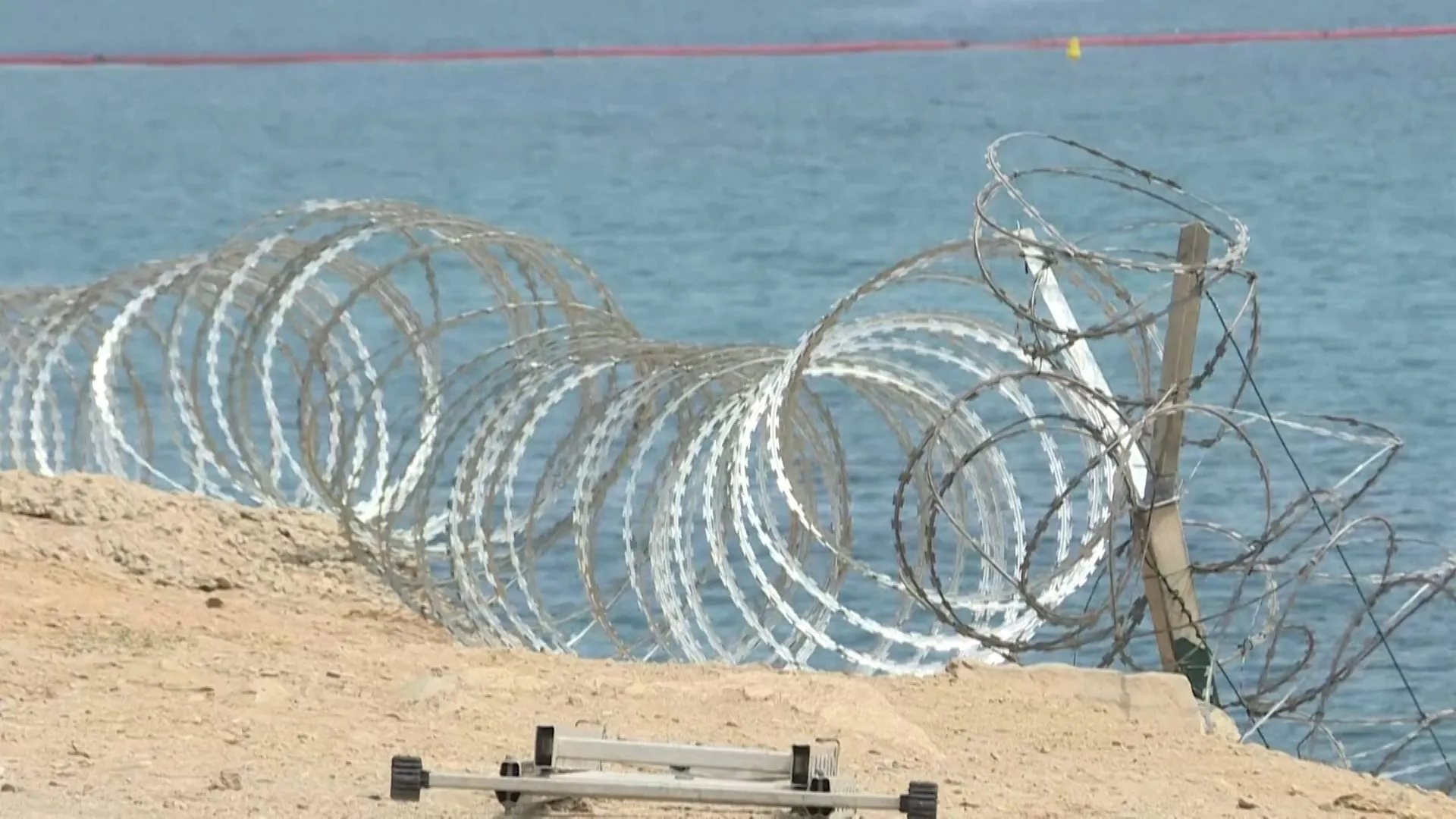
Morocco has significantly reinforced security measures along the border with the Spanish enclave of Ceuta, installing additional barbed wire and deploying extra police officers. The move comes in direct response to online calls urging a mass migrant crossing of the perimeter.
The security enhancements were implemented to bolster the perimeter ahead of potential coordinated attempts to breach the border. Authorities have prioritised physical fortification and increased law enforcement visibility to deter unauthorised entry into the territory.
Ceuta remains a focal point for migration dynamics in North Africa, situated as a Spanish territory surrounded by Moroccan land. The strategic importance of the enclave continues to drive policy decisions regarding border control and regional security cooperation.
The decision to strengthen the border follows digital mobilisation efforts that have historically triggered heightened security protocols. While the specific volume or origin of the online calls has not been independently verified, the administrative response indicates a proactive stance by Moroccan authorities to manage potential influxes.
This incident occurs against a backdrop of significant demographic change across the Maghreb region. Data indicates that the average number of children per woman in the area has dropped from seven or eight in the 1970s to fewer than three currently, reflecting broader socioeconomic shifts in the region.
The reinforcement of the Ceuta border underscores the ongoing tension between migration pressures and state sovereignty. As digital platforms continue to influence migration patterns, governments in the region are increasingly relying on physical security measures to maintain border integrity.
Further details regarding the scale of the police deployment or the extent of the new fortifications have not been disclosed. Authorities are expected to monitor the situation closely as the potential for coordinated movement remains a key concern for regional stability.