Refugee-led education initiative faces funding crisis amid Chad’s displacement surge
As Chad hosts nearly one million Sudanese refugees, a primary school in Adre demonstrates the potential of community-led education, yet struggles against an 83 per cent funding shortfall and inadequate infrastructure.
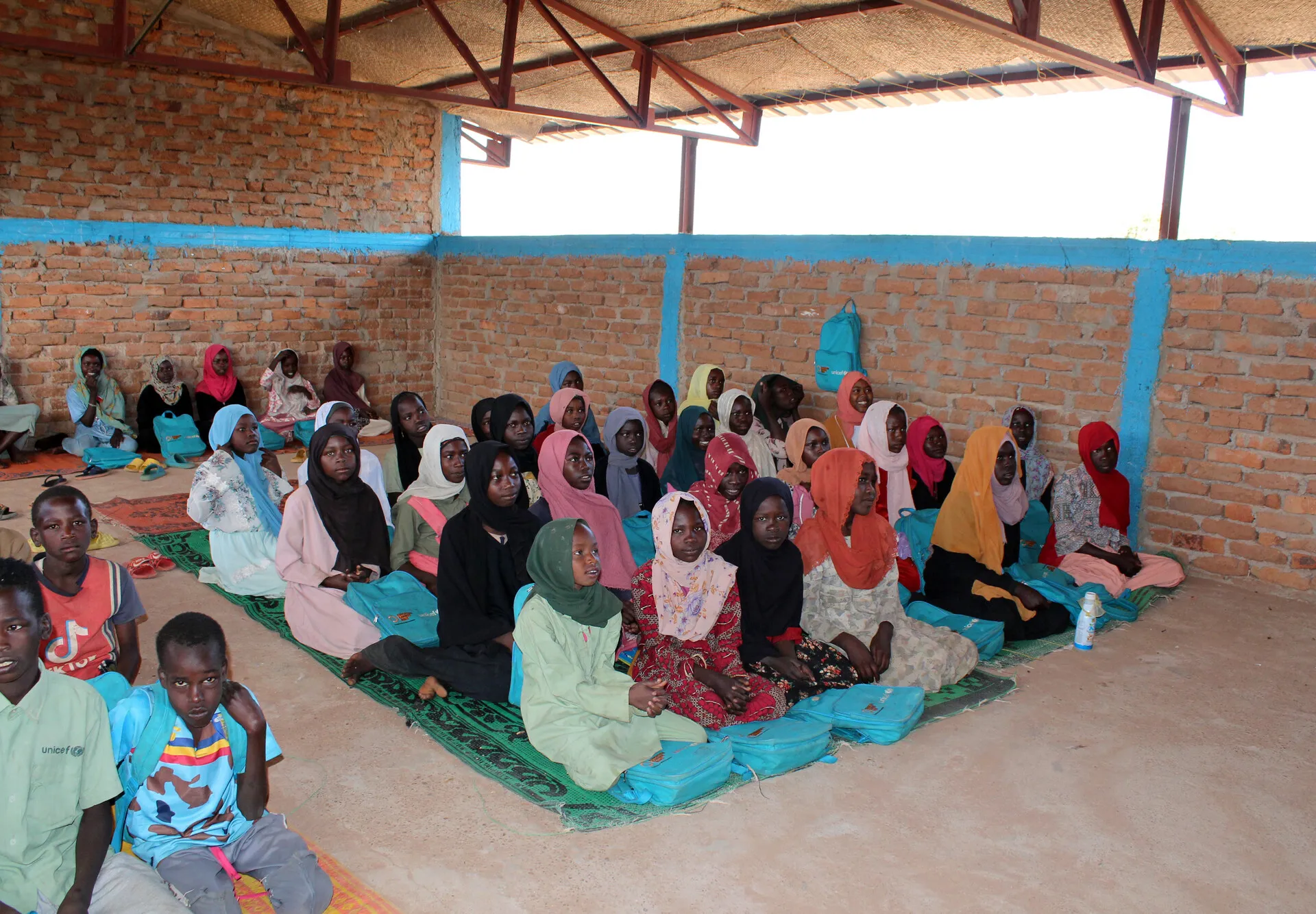
A primary school established in 2024 by Plan International in Adre, Chad, has become a focal point for educational support in one of Africa’s largest refugee-hosting regions. The institution, which currently educates 1,059 pupils, employs 30 teachers, many of whom are Sudanese refugees themselves. Among them is Sahra, a former education administrator from el-Geneina in West Darfur, who now serves as the school’s head teacher. Her appointment underscores a broader strategy to integrate displaced professionals into the humanitarian response, leveraging their expertise to address the educational needs of children fleeing the conflict between the Sudanese Armed Forces and the Rapid Support Forces.
The initiative operates within a context of severe resource constraints. Chad’s education system was already grappling with a crisis before the latest influx, with UNICEF reporting that three out of four pupils nationwide are taught by educators whose own schooling ended at secondary level. The arrival of nearly one million Sudanese refugees has intensified pressure on an infrastructure already lacking classrooms and qualified staff. To manage the volume of students, the Adre school runs two shifts, morning and evening, covering subjects including mathematics, science, and Arabic. However, teachers face significant challenges adapting to the Chadian curriculum and navigating language barriers between Sudanese Arabic-speaking pupils and Chadian children who often speak local dialects.
Beyond academics, the school serves as a critical safety mechanism for displaced families. Parents report that the institution protects children from criminal groups and violence within the camp. Plan International’s Emergency Response Manager for Chad, Kefa Mayange, describes the approach as integrated, combining education with child protection services, including psychosocial support for under-fives in safe spaces. This model has helped ease initial tensions between Sudanese and Chadian children, fostering a shared environment where pupils learn and play together.
Despite these successes, the programme is hampered by a critical lack of basic infrastructure and funding. The school operates without flush toilets, electricity, or accessible facilities for children with disabilities, forcing pupils to sit on the ground or share benches. Teachers and parents have requested essential improvements, including solar panels, school meals, and adequate desks. Furthermore, the broader humanitarian response is severely underfunded; the 2026 Sudan Regional Refugee Response Plan received only 17 per cent of its required budget, leaving an 83 per cent shortfall. Education remains one of the least supported sectors within this funding gap.
The structural limitations of the current system also create long-term risks for older students. Teenagers are dropping out due to the absence of high schools or vocational training opportunities, while unaccompanied minors who lost parents during their flight remain outside the educational system. Mobile units are deployed to encourage parents to keep younger children in school rather than engaging in child labour such as collecting firewood. As the humanitarian situation evolves, stakeholders warn that without sustained investment and infrastructure development, the gains made in community cohesion and literacy may be undermined by systemic neglect.