Inter Miami’s defensive fragility raises questions over long-term sustainability
Despite leading the league in goals scored, Inter Miami’s 38 goals conceded and ageing squad structure signal a narrowing competitive window ahead of the 2027 calendar shift.
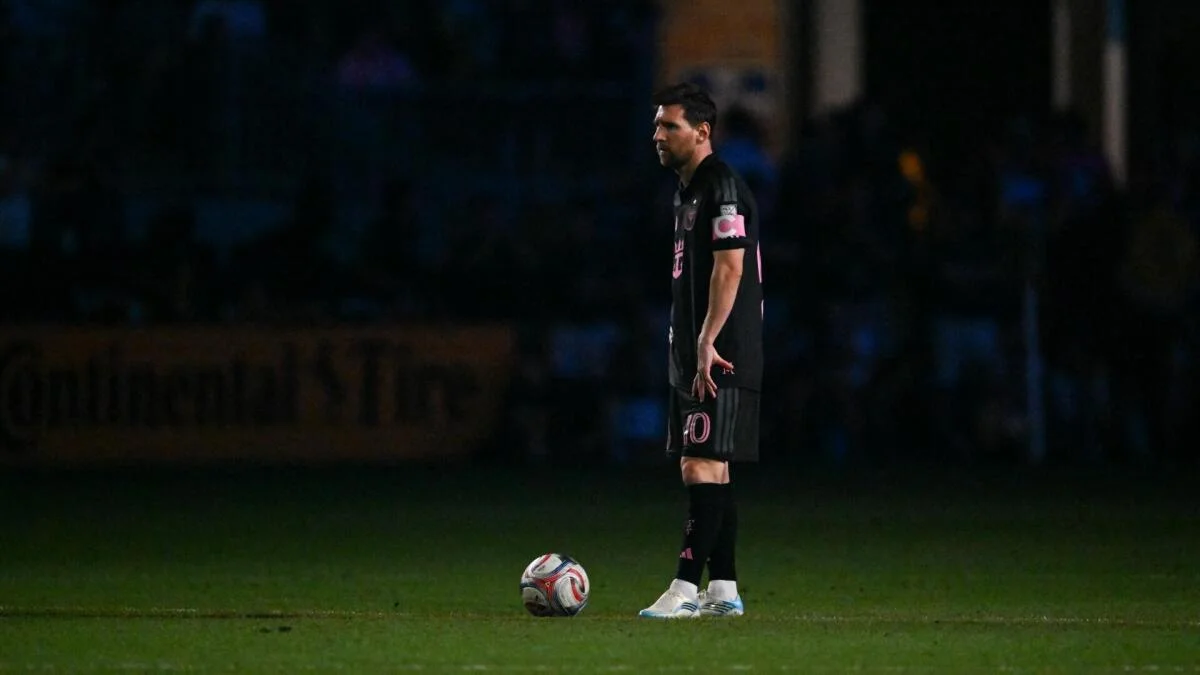
Inter Miami’s 2-2 draw with the Philadelphia Union on Wednesday underscored a growing structural imbalance within the club, as offensive dominance fails to mask significant defensive vulnerabilities. The match in Chester, Pennsylvania, ended in chaos with red cards for both Cavan Sullivan and Yannick Bright, yet the statistical disparity remains the central concern for governance and long-term planning. While Lionel Messi provided a goal and an assist, the result highlights a team that is struggling to maintain consistency beyond its star player.
The club currently sits in second place in the Eastern Conference, boasting the league’s highest goal tally with 48. However, this offensive output is counterbalanced by a defensive record that has seen them concede 38 goals, a figure that has allowed Nashville SC to take the lead in the race for the Supporters’ Shield. Interim manager Guillermo Hoyos has attempted to address this imbalance by adding veteran midfielder Casemiro to the squad, a move intended to provide a defensive shield but which also reflects a broader trend towards older signings.
This strategic shift contrasts with the club’s earlier approach, which focused on integrating young talent such as Federico Redondo, Tomas Aviles, Facundo Farias, and Diego Gomez to provide depth and cover for key players. The current squad composition, characterised by an ageing core, raises questions about the club’s ability to sustain its competitive edge as the league transitions to a European calendar in the fall of 2027. The upcoming MLS Sprint Season will serve as a critical test for the interim management team before this major structural change.
The uncertainty surrounding Lionel Messi’s future further complicates the club’s strategic outlook. At 39 years old, Messi has recently hinted at retirement following the death of his father, Jorge Messi, though no official timeline has been confirmed. His presence has been central to Inter Miami’s success, including the Leagues Cup in 2023 and both the Supporters’ Shield and MLS Cup in 2025. However, the reliance on a single ageing superstar poses a significant risk to the club’s long-term viability and recruitment strategy.
As the competitive window appears to be closing, the club faces the challenge of transitioning from a Messi-dependent model to a sustainable institutional structure. The potential departure of the Argentine star would likely diminish the club’s ability to attract top-tier talent, potentially delaying any future attempts to sign players of comparable stature. For now, the focus remains on managing the current squad through the remainder of the season, but the underlying issues of squad age and defensive stability remain unresolved.