Insta360 X6 Review: Flagship 360 Camera Targets Mainstream Creators with AI and 8K Video
Engadget tests the latest flagship from Insta360, finding strong image quality and versatile modes, though AI auto-editing and stitch-line visibility remain points of contention against rivals like DJI and GoPro.
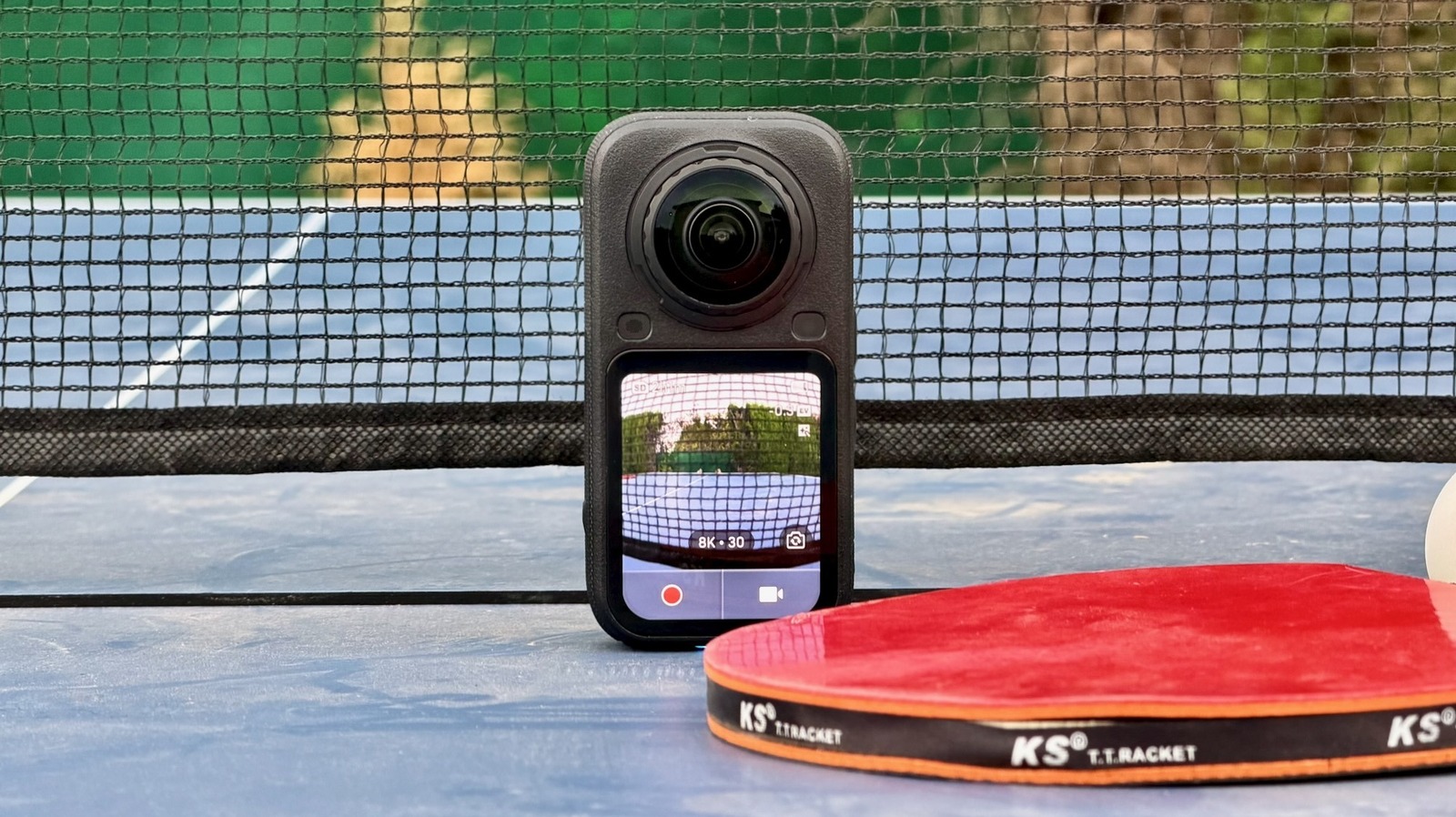
Insta360 has launched the X6, its latest flagship 360-degree camera, priced at $700. The device features a redesigned compact form factor, a 1/1.1-inch sensor, and 8K video capability with 10-bit i-Log colour support and Dolby Vision. Key innovations include a "Triple AI chip system" for auto-editing tools such as "AI Director" and "Auto Edit 2.0", as well as an "InstaFrame 2.0" mode that allows for single-lens subject tracking with a 360-degree backup. The camera includes 47GB of onboard storage, a 2.32-inch OLED display, and hardware buttons for gloved use. While it offers 120-megapixel spherical photos and 4K/120 fps flat video, reviewers note that stitch-lines remain visible in overlap zones and AI editing often fails to prioritise key action moments.
The X6 marks a significant departure from the tall, candybar aesthetic of its predecessor, the X5. The new model is shorter and wider, a design choice that makes the device less conspicuous in public and easier to pack with other gear. This revised body houses a larger 2.32-inch OLED display with on-screen buttons for record and mode switching, alongside physical hardware buttons for operation in wet or gloved conditions. An additional button on the rear allows for quick switching between 360 video, photo, and single camera modes.
Under the hood, the X6 utilises a 1/1.1-inch sensor, which Insta360 claims is 1-inch equivalent. This hardware upgrade enables 8K/50 fps recording in 360 mode, 120-megapixel spherical photos, and flat video at up to 4K/120 fps. For filmmakers seeking greater control, the camera supports 10-bit i-Log shooting and Dolby Vision, with 47GB of expandable onboard storage. The device also integrates with Insta360’s ecosystem, working directly with accessories such as the Mic Pro and head-tracker without the need for separate receivers.
In performance testing, the X6 demonstrated improved image fidelity over the X5, convincingly outperforming the GoPro Max 2 in image quality tests. Reviewers noted higher fidelity, reduced blurriness around edges, and more authentic colour reproduction. However, the camera was outperformed by the GoPro Mission 1 Pro and DJI Osmo Pocket 4P in terms of richness and cinematic quality. The spherical nature of the footage still results in warped perspectives in wider fields of view, and stitch-lines remain a visible issue when subjects are positioned directly in the overlap zone of the lenses.
The AI-powered auto-editing features, powered by a "Triple AI chip system", offer mixed results. The "AI Director" mode automatically generates edits overnight, while "Auto Edit 2.0" allows users to select specific clips for inclusion. While these tools provide good starting points, they often failed to prioritise key action moments over the operator holding the selfie stick. The "InstaFrame 2.0" mode emerged as a preferred workflow for many, offering single-lens subject tracking with a 360-degree backup, which significantly speeds up clip exporting.
Battery life was tested at approximately 140 minutes of 8K/30 recording, with fast charging providing 45 minutes of recording time from a partial charge. The review unit included an "Essentials" pack with two batteries and a portable charging case, though testers found the single battery sufficient for most sessions. Audio performance from internal microphones was deemed adequate for ambient sound but recommended to be supplemented with a separate wireless microphone for clear voice recording.
At launch, the X6 competes directly with the DJI Osmo 360 and the GoPro Max 2 in the consumer action camera market. The DJI Osmo 360 is priced lower at approximately $400, while the GoPro Max 2 is available for around $300. Despite the higher price point, the X6 offers distinct advantages in Dolby Vision support and advanced editing options, positioning it as a solid update for existing Insta360 users and a competitive option for creators seeking high-spec 360 capabilities.