Delivery robots face safety and regulatory hurdles as adoption grows
Autonomous delivery vehicles are expanding in urban areas, but navigation failures, pedestrian access concerns, injuries, privacy issues and tighter city restrictions are raising questions about their future.
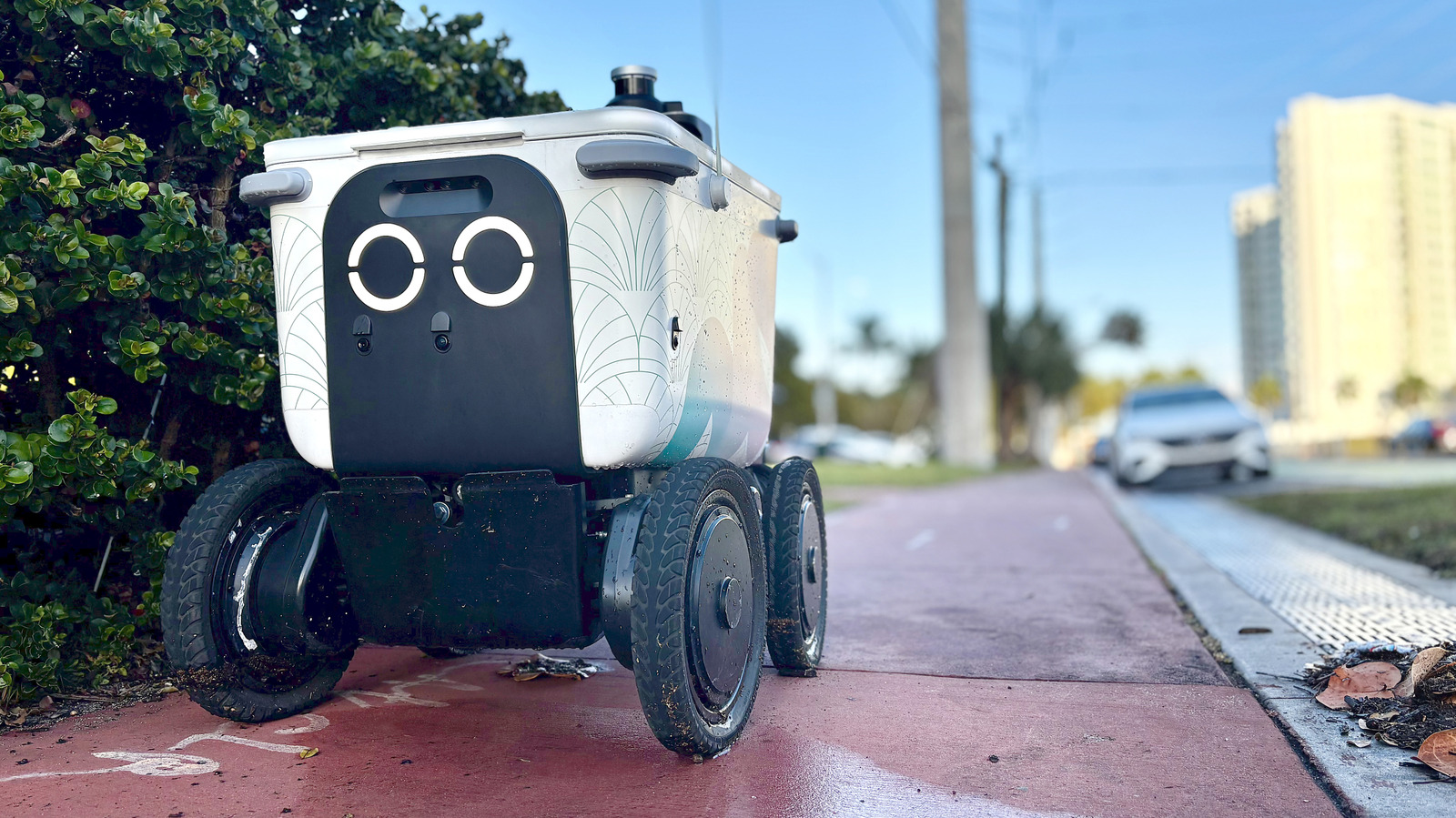
Autonomous delivery robots are becoming a larger part of the delivery market, but their expansion is exposing weaknesses in navigation, safety and regulation, according to Engadget. The vehicles typically use cameras, sensors and GPS, with human supervisors intervening when required.
Broken pavements, construction and other unexpected obstacles can cause robots to stall or damage public property. Engadget cited an alleged incident in Chicago in which a delivery robot damaged a bus stop, alongside reports of robots interfering with restaurants and other businesses operating near pavements.
Pedestrian access is a more serious concern. Although the robots are generally expected to stop for people, Engadget reported cases in which pedestrians have had to give way. The issue may be particularly significant for people with limited mobility or wheelchair users, while robots occupying pavements could raise accessibility concerns under US law.
The report also cited injuries, including a New Jersey man who allegedly suffered a broken shoulder and head injury after a delivery robot struck his bicycle. The scale and frequency of reported injuries, accessibility breaches and property damage were not quantified.
The industry is nevertheless expected to grow. Transforma Insights reportedly projects an increase in automated urban delivery vehicles from 28,000 in 2025 to 559,000 by 2035. Current robots have a reported range of about two miles, keeping many operations concentrated in urban areas and leaving human workers necessary for some deliveries.
Regulation is beginning to tighten. Chicago, San Francisco and Toronto have introduced restrictions or bans, while cameras on the vehicles are drawing scrutiny over privacy. In more than 20 US states, personal delivery devices are reportedly classified as pedestrians, adding to the regulatory questions as deployment expands.