India’s Education Minister Resigns After Gen-Z ‘Cockroach’ Movement Forces Policy Concessions
The resignation of Dharmendra Pradhan marks a rare political retreat for the Modi government, as the ‘Cockroach Janata Party’ secures commitments on examination reform and legal protections for demonstrators.
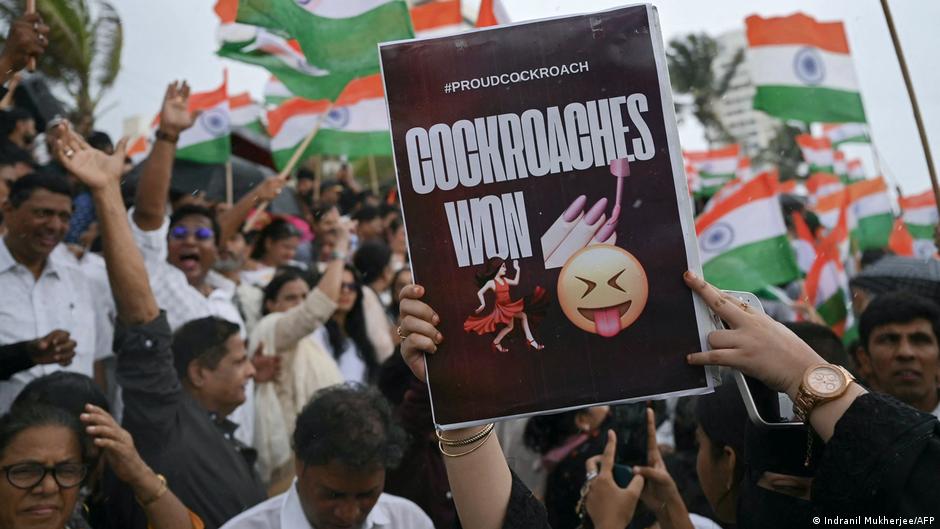
India’s Education Minister, Dharmendra Pradhan, has resigned following sustained pressure from the youth-led “Cockroach Janata Party” (CJP) movement. The demonstrations, which began in early May after allegations of a leak in the National Eligibility cum Entrance Test (NEET) medical entrance exam, demanded accountability and systemic reform. The CJP, which initially emerged as a satirical social media campaign, successfully compelled the government to accept the minister’s departure after weeks of marathon negotiations and repeated refusals.
In addition to the minister’s resignation, the central government has agreed to provide maximum compensation to the families of students who died by suicide in connection with the exam controversy. Authorities also committed to withdrawing criminal cases against protesters and refraining from future legal action. Furthermore, the government has agreed to engage in discussions regarding a five-point charter for academic examination reform proposed by the movement.
The CJP has announced it is calling off further protest action “in good faith,” while reserving the right to monitor the implementation of these promises. CJP founder Abhijeet Dipke described the outcome as a “victory of democracy,” telling supporters that the movement demonstrated the power of united student voices. The group has warned that it will return to the streets if the agreed-upon changes fail to materialize.
Prime Minister Narendra Modi’s Bharatiya Janata Party (BJP) has framed the resignation as an act of responsible governance rather than capitulation. Home Minister Amit Shah stated that Pradhan’s departure exemplified putting students and the nation above political positions. However, the resignation represents a rare retreat for the Modi government, which had previously insisted that removing the minister was not under serious consideration even as protests spread across India.
Political analysts suggest the episode signals a shift in how the government responds to public pressure. Activist Amrita Johri noted that the movement highlighted the ability of a loosely organised generation to compel concessions from a administration often viewed as resistant to street protests. The controversy has also shifted the national debate toward broader questions about the fairness and transparency of India’s institutions.
The situation presents a significant challenge for the government in rebuilding public trust in institutions that millions of young Indians rely on for opportunity. Political scientist Gilles Verniers observed that the standard political playbook of making broad promises and shifting responsibility failed in this instance. The resignation marks a personal setback for the Prime Minister, who had supported the minister until the end, and exposed a ruling party unprepared for a decentralized, non-partisan youth movement.
Opposition leaders have seized on the event as evidence that sustained mobilization can force political change. Senior Congress leader Jairam Ramesh described the resignation as a victory for a generation tired of an unfair system, arguing that student pressure finally forced the Prime Minister to withdraw his backing for the education minister. The BJP maintains that it acted to restore confidence in the education system and protect student interests.
The immediate crisis may have passed, but the government faces the long-term task of addressing the concerns raised by the CJP. Whether the movement evolves into a lasting political force or fades after achieving its immediate goals remains uncertain. What is clear is that organized public pressure has successfully compelled one of India’s most powerful governments to make concessions that were previously considered unlikely.