Indian government committee upholds ban on film depicting Punjab rights activist’s death
A government review body has concluded that the biographical film about Jaswant Singh Khalra undermines national security, despite community screenings continuing across Punjab and the diaspora.
Indian authorities have formally upheld the ban on the biographical film Satluj, concluding that the movie undermines the country’s sovereignty. The decision follows the removal of the film from the ZEE5 streaming platform just 48 hours after its release on 3 July 2026. The film, directed by Honey Trehan and starring actor Diljit Dosanjh, depicts the life and 1995 custodial murder of human rights activist Jaswant Singh Khalra, who investigated extrajudicial killings during the 1980s Punjab insurgency.
A government committee constituted to examine the ban reportedly determined that the film’s content posed a risk to national integrity. While the government has not issued a detailed public explanation for the removal, officials have cited security concerns to local media. ZEE5 stated that the film would remain unavailable until further notice due to current developments, adding that the platform would explore every appropriate avenue through due process to restore the content.
The film’s journey to the streaming platform was marked by prolonged regulatory friction. Originally titled Punjab 95, the project was blocked by India’s censor board for three years. The board demanded nearly 130 cuts and a change of title before permitting a theatrical release. Filmmakers refused the edits and opted for a direct-to-streaming debut, only for authorities to intervene shortly after launch.
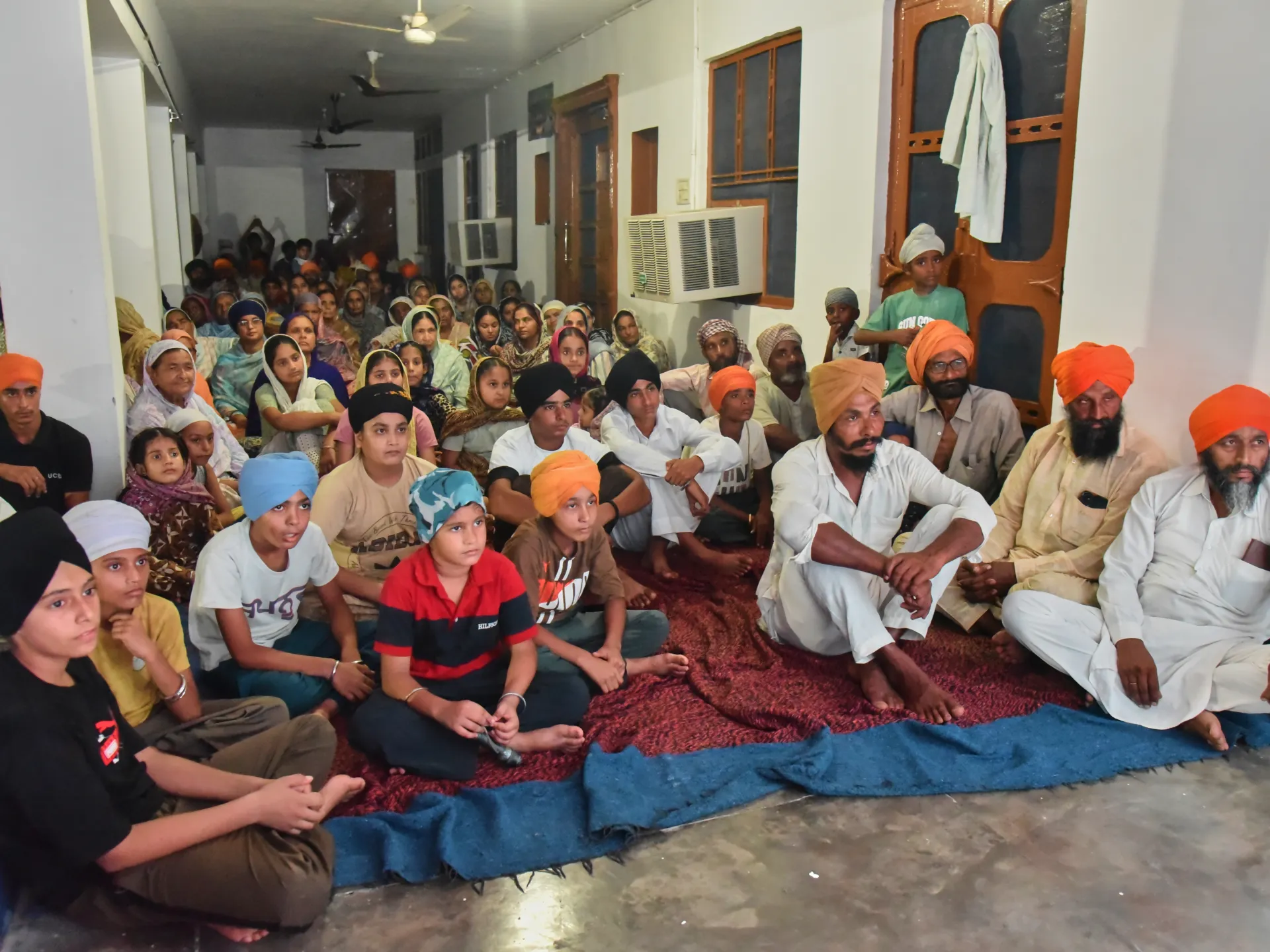
Despite the official prohibition, the film has found an audience through grassroots and international networks. Community screenings have been organised at village halls and Sikh temple compounds across Punjab, including in the Gurdaspur district. These events are free to attend, with locals providing food and drinks. Similar viewings are being held by Sikh diaspora groups in London, New York, and Toronto, where attendees describe the film as a vital record of historical suffering.
The narrative centres on Khalra, a bank employee from Amritsar who investigated thousands of disappearances and secret cremations during the government’s crackdown on the separatist Khalistan movement. Khalra was killed in 1995 after alleging that police had cremated nearly 25,000 unidentified bodies without informing families. Five police officials are currently serving life sentences for his murder. The film has received critical acclaim, with reviewers praising its portrayal of the violence that characterised the 1980s and early 1990s in Punjab.
Social media users have also uploaded the film to various platforms in defiance of the ban, with links frequently appearing and disappearing. Actor Dosanjh addressed the situation in a live Instagram session, expressing disillusionment with the regulatory obstacles but noting the widespread community engagement. He stated that nothing could stop the film now, as it continues to be downloaded and screened despite official restrictions.
The ban has drawn attention to the broader pressures facing India’s film industry under Prime Minister Narendra Modi’s administration. Critics argue that the government has increasingly censored independent works that challenge state narratives, while supporting films aligned with its political ideology. The Satluj case highlights the ongoing tension between historical accountability and state security protocols in the region.