Ikuesan calls for public service investment as AC costs exclude vulnerable during French heatwave
Ayodelé Ikuesan argues that market-driven cooling solutions fail those on low incomes, urging structural policy reform over individual adaptation.
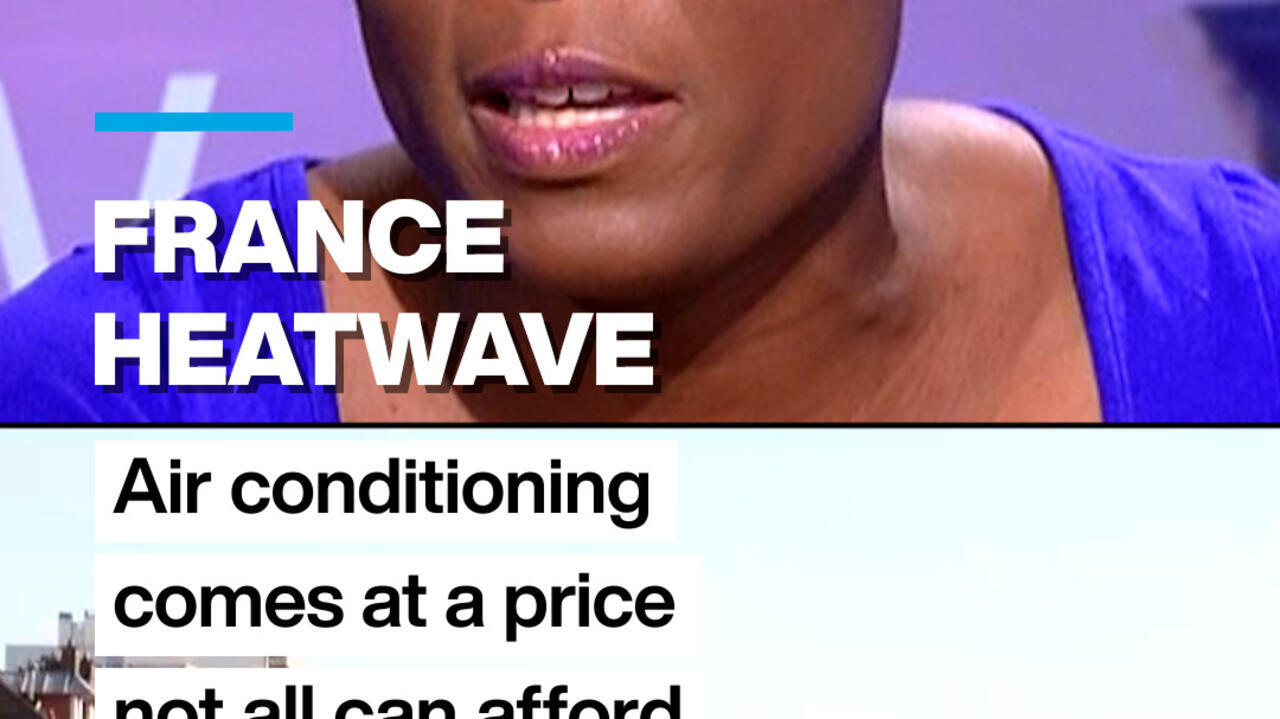
Ayodelé Ikuesan has raised concerns regarding the affordability of air conditioning for France’s most vulnerable populations during the current heatwave. Speaking on France 24 International, Ikuesan highlighted that the rising costs of cooling technology create a barrier to safety for low-income households, leaving them exposed to extreme temperatures that wealthier residents can mitigate.
The commentary was delivered during the #F24Debate segment, which aired on 24 June 2026. Ikuesan used the platform to critique the reliance on private consumption as a primary method of climate adaptation, noting that the financial burden of maintaining comfortable indoor temperatures falls disproportionately on those with limited means.
In response to these disparities, Ikuesan advocated for a shift in policy focus towards strengthening public services. The argument posits that the state must play a more active role in ensuring basic thermal comfort and health protections, rather than leaving climate resilience to market forces that exclude the most economically precarious citizens.
Furthermore, the discussion emphasised the need for long-term investment in climate solutions. Ikuesan suggested that immediate responses to heat events must be coupled with broader structural changes to public infrastructure, aiming to address the root causes of vulnerability rather than merely treating the symptoms of rising temperatures.
The intervention underscores a growing debate in French politics about the intersection of climate change and social inequality. As extreme weather events become more frequent, questions regarding who bears the cost of adaptation and how public resources are allocated are becoming central to governance discussions.
While the specific demographic details of those affected remain undefined in the immediate report, the core assertion remains that current cooling mechanisms are not universally accessible. This perspective challenges policymakers to consider how public service funding can be restructured to protect vulnerable groups during climate emergencies.
The report from France 24 International serves as a focal point for these policy debates, illustrating how media platforms are increasingly used to frame climate issues through the lens of social justice and institutional responsibility.