ICC denounces US sanctions on president and senior lawyer as threat to independence
The International Criminal Court has condemned asset freezes imposed by the United States on its leadership, describing the measures as a direct challenge to the tribunal’s operational autonomy.
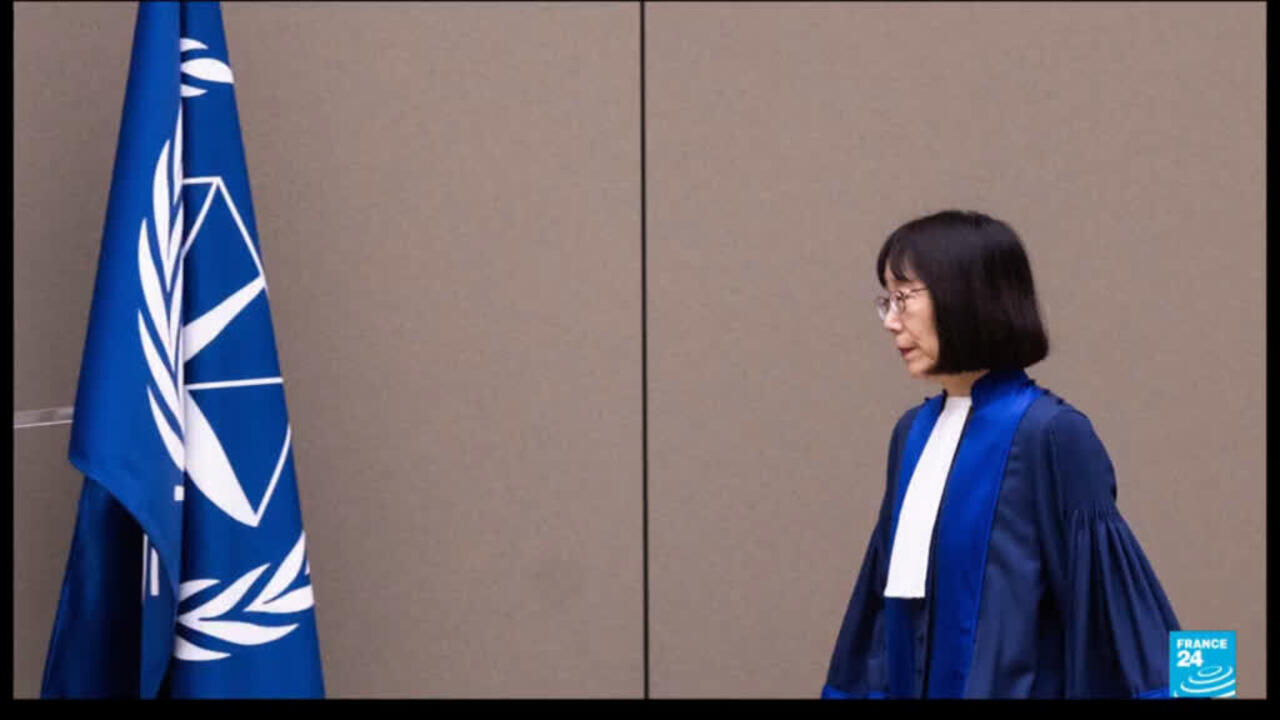
The International Criminal Court (ICC) has formally condemned the decision by the United States to impose sanctions on its president, Tomoko Akane, and senior trial lawyer Abdoulaye Seye. In a statement released on Wednesday, the tribunal described the move as a “flagrant attack” on its independence, marking a significant escalation in tensions between the court and Washington.
The sanctions were announced by the US State Department on Tuesday. The measures freeze any assets held by the two officials within US jurisdictions or that come into contact with the US financial system. The State Department did not provide further detail on the specific legal basis for the action in the initial announcement.
Tomoko Akane, a Japanese national, currently serves as the president of the ICC. Abdoulaye Seye, a Senegalese national, holds the position of senior trial lawyer. Both individuals are central to the court’s administrative and prosecutorial functions.
The ICC reaffirmed its commitment to its mandate, which includes prosecuting individuals for genocide, crimes against humanity, war crimes, and the crime of aggression. The court stated it would continue seeking justice for global atrocities despite the imposition of these financial restrictions.
The United States is not a party to the Rome Statute, the treaty that established the ICC. Historically, Washington has taken measures against ICC officials involved in cases concerning US personnel or allies, though the current sanctions target the court’s highest leadership directly.
The dispute highlights ongoing friction between the international tribunal and the US government, with the ICC asserting that such actions undermine the judicial independence required for its operations.