Hundred attendance dip reflects ownership transition costs, says ECB
England and Wales Cricket Board chief executive Richard Gould attributes stagnation to economic factors and rebranding, while tournament director defends product quality.
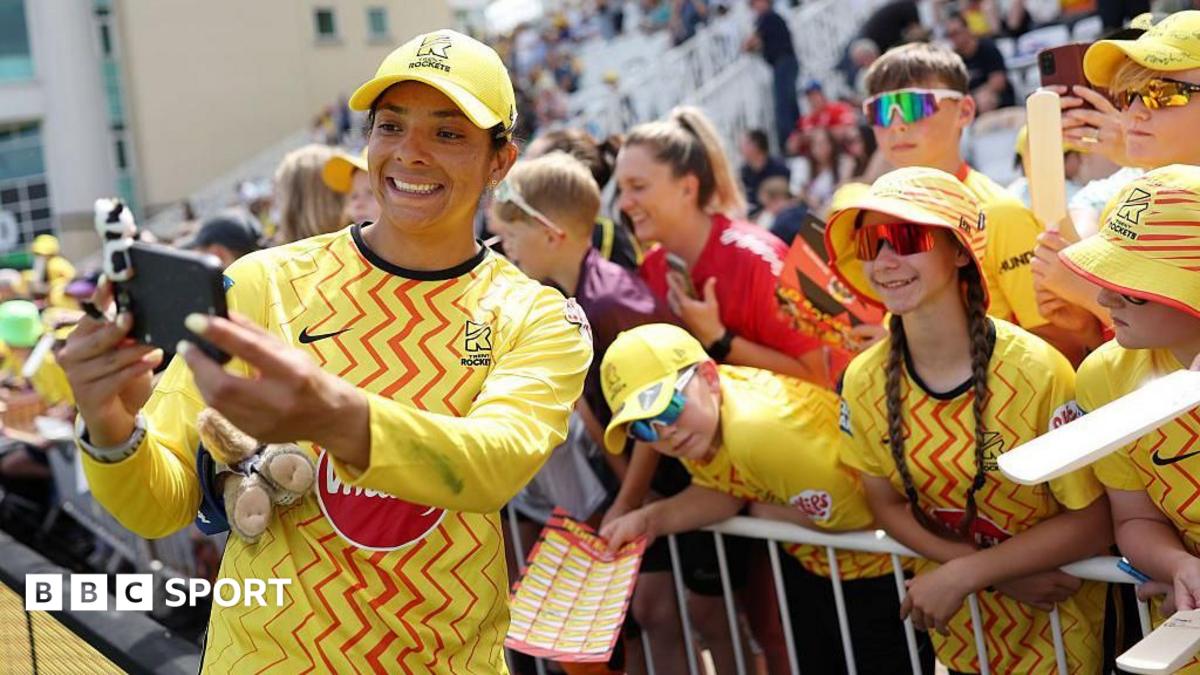
The 2026 edition of The Hundred has recorded a decline in stadium attendance, with total ticket sales falling by just over five per cent to 550,000, down from 580,000 in the previous year. The figures mark the tournament’s first season under a new private ownership structure, following the England and Wales Cricket Board’s (ECB) £975 million sale of stakes in all eight franchise teams.
ECB chief executive Richard Gould attributed the attendance stagnation to a transitional period characterised by significant structural changes and broader economic pressures. Gould noted that while the weather conditions were ideal, the wider economic climate has impacted consumer spending, describing the overall attendance trajectory as “more or less flat” with a slower start that gradually improved towards the conclusion of the event.
The decentralisation of commercial operations has resulted in varying ticket pricing strategies across venues, a shift from the previous centrally managed model. Adult ticket prices have risen at certain grounds, with The Oval reaching £55 for select fixtures, while most other venues maintained prices between £20 and £30. Junior tickets remain fixed at £5 across all locations, a policy maintained by the ECB to preserve accessibility for younger demographics.
Demographic data released by the board indicates that the composition of the crowd has remained consistent with previous years, despite the overall volume decline. The ECB confirmed that target metrics for families, juniors, and female attendees were met, with 40 per cent of tickets sold to families, 22 per cent to juniors, and 28 per cent to female spectators.
Individual venue performance highlighted the impact of franchise rebranding on local support. Headingley and Old Trafford, where teams underwent complete identity changes, saw notable drops in attendance. Conversely, Cardiff’s Sophia Gardens recorded record crowds of 11,796, and the London derby between Spirit and MI London drew a group stage record of 27,721 fans, suggesting strong engagement in markets with established team identities.
Tournament director Vikram Banerjee defended the integrity of the product, arguing that on-field quality has improved significantly. Banerjee described the 2026 season as one of the best in the tournament’s history, claiming the standard of play is now second only to the Indian Premier League. He emphasised that broadcast figures and digital engagement metrics are growing, with the season recording the highest viewership across The Hundred’s social media channels.
Gould expressed confidence that the new ownership model will ultimately strengthen fan allegiance, as teams are now owned by local investors and clubs rather than the central board. He acknowledged that establishing new brands takes time but maintained that the structural overhaul positions the tournament for long-term stability, despite the immediate dip in gate receipts.