Havana claims CIA chief seeks dialogue as US-Cuba tensions persist
Officials in Havana assert Cuba poses no security threat to Washington, while President Diaz-Canel calls for the lifting of the US blockade that has exacerbated humanitarian conditions on the island.
The Cuban government announced on Thursday that CIA Director John Ratcliffe met with officials in Havana in an effort to improve dialogue between Washington and the communist-run island. A government statement described the meeting as taking place “in a context marked by the complexity of bilateral relations,” with the stated aim of contributing to political discussions between the two nations. The Central Intelligence Agency did not immediately respond to requests for comment regarding the encounter.
According to Havana, the exchanges during the meeting allowed Cuba to demonstrate “categorically that Cuba does not constitute a threat to US national security.” The statement further argued that there were “no legitimate reasons to include it on the list of countries that allegedly sponsor terrorism.” Cuba explicitly denied supporting any hostile activity against the United States and stated it would not permit actions against any other nation to be carried out from Cuban soil, a reference to allegations regarding a Chinese presence on the island.
The diplomatic engagement occurs against a backdrop of significantly deteriorated US-Cuba relations. Washington imposed a fuel blockade in January, and President Donald Trump has since slapped sanctions on the island and publicly mused about the possibility of taking it over. These measures have contributed to poor conditions on the island, where regular power outages and supply shortages have become the norm.
In response to the ongoing crisis, US Secretary of State Marco Rubio renewed an offer of $100 million in aid, conditioned on the assistance being distributed by the Catholic Church to bypass the Cuban government. Cuban President Daniel Ortega Diaz-Canel urged the United States to lift the blockade instead, arguing that the humanitarian situation is “coldly calculated and induced.” He stated that the damage could be eased more simply by relaxing the blockade, but added that if Washington showed “true willingness” to provide aid, Cuba would encounter “no obstacles or ingratitude.”
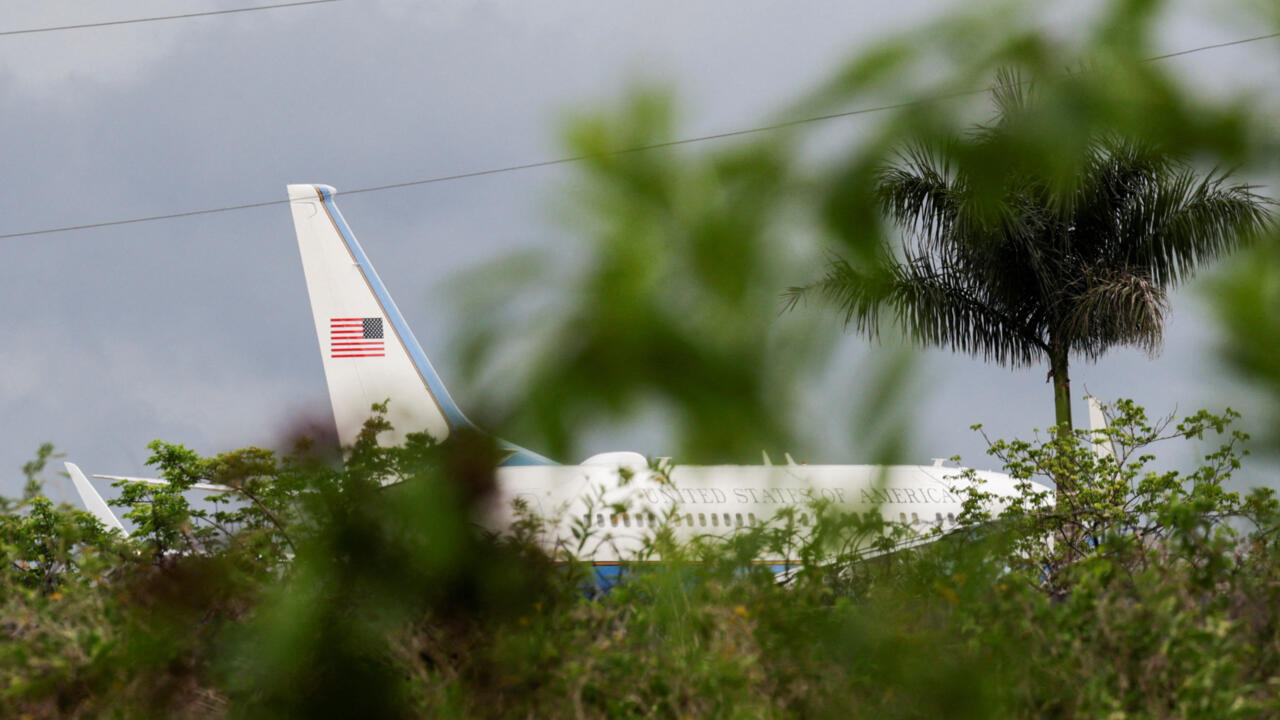
This visit follows a high-level diplomatic meeting held in Havana on April 10, which marked the first time a US government plane landed in the Cuban capital since 2016. Despite the heightened tensions and the recent security protocols in the US following investigations into threats against President Trump, intergovernmental talks appear to be continuing, albeit within a highly constrained and adversarial framework.