Cuba signals conditional acceptance of US aid as energy crisis deepens
Havana accepts humanitarian assistance if delivered per international norms, but rejects reform conditions amid severe fuel shortages and blackouts.
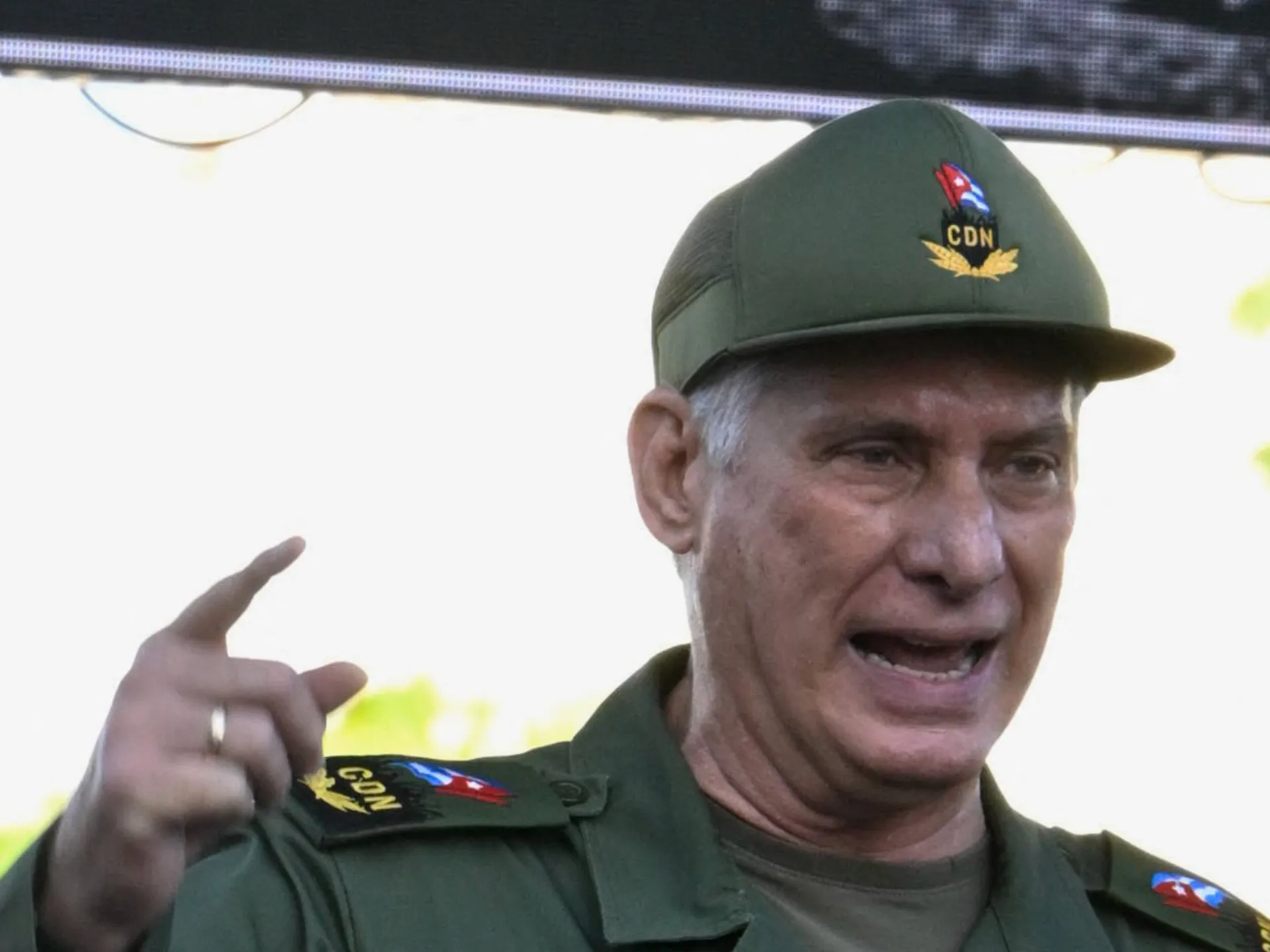
Cuban President Miguel Diaz-Canel has indicated that Havana is prepared to accept humanitarian aid from the United States, provided it is delivered in accordance with internationally recognised practices. The statement, issued via social media on Thursday, follows a US State Department offer of $100 million in assistance, which is contingent on the Cuban government instituting “meaningful reforms.” Diaz-Canel described the conditional offer as “paradoxical,” arguing that Washington should instead lift its long-standing trade embargo to genuinely alleviate the island’s suffering.
The Cuban leader characterised the current humanitarian situation as “coldly calculated and deliberately induced” by US policy. He stated that while Cuba would not encounter obstacles or ingratitude in accepting aid that adheres to universal humanitarian standards, the true relief of suffering would be achieved more expeditiously through the removal of the blockade that has constrained the island since the 1960s.
Cuba is currently grappling with a severe energy crisis that has resulted in island-wide blackouts and critical shortages of fuel, food, and medicines. The situation was exacerbated in January when the Trump administration cut funds and fuel supplies from Venezuela and threatened steep tariffs against nations providing oil to Havana, effectively creating a de facto fuel blockade. Cuba’s Energy Minister, Vicente de la O Levy, confirmed earlier this week that the country had completely run out of diesel and fuel oil, leaving public services, including hospitals, at a standstill.
Diplomatic engagement continues despite the heightened tensions. A US delegation led by CIA Director John Ratcliffe met with Cuban officials in Havana on Thursday, including Raul “Raulito” Rodriguez Castro, the grandson of former President Raul Castro. The two sides discussed potential cooperation on regional and international security. According to a Cuban government statement, Havana explicitly informed the US delegation that Cuba does not pose a threat to US national security, contradicting claims made by the Trump administration.
The Trump administration has signalled its objective is to see regime change in Havana, with media reports indicating private pressure on Diaz-Canel to step down. This stance mirrors recent US actions in Venezuela, where a military operation led to the abduction of President Nicolas Maduro and the swearing-in of Delcy Rodriguez as an interim replacement. The US State Department stated it had been negotiating in private with the Cuban government regarding the aid offer before making it public, asserting that the decision to accept assistance rests with the Cuban regime.