UN warns Iran conflict threatens global food security via Strait of Hormuz
The United Nations has issued a stark warning that prolonged disruptions to shipping in the Strait of Hormuz, linked to the ongoing conflict involving Iran, could trigger a global hunger crisis by blocking essential agricultural supplies.
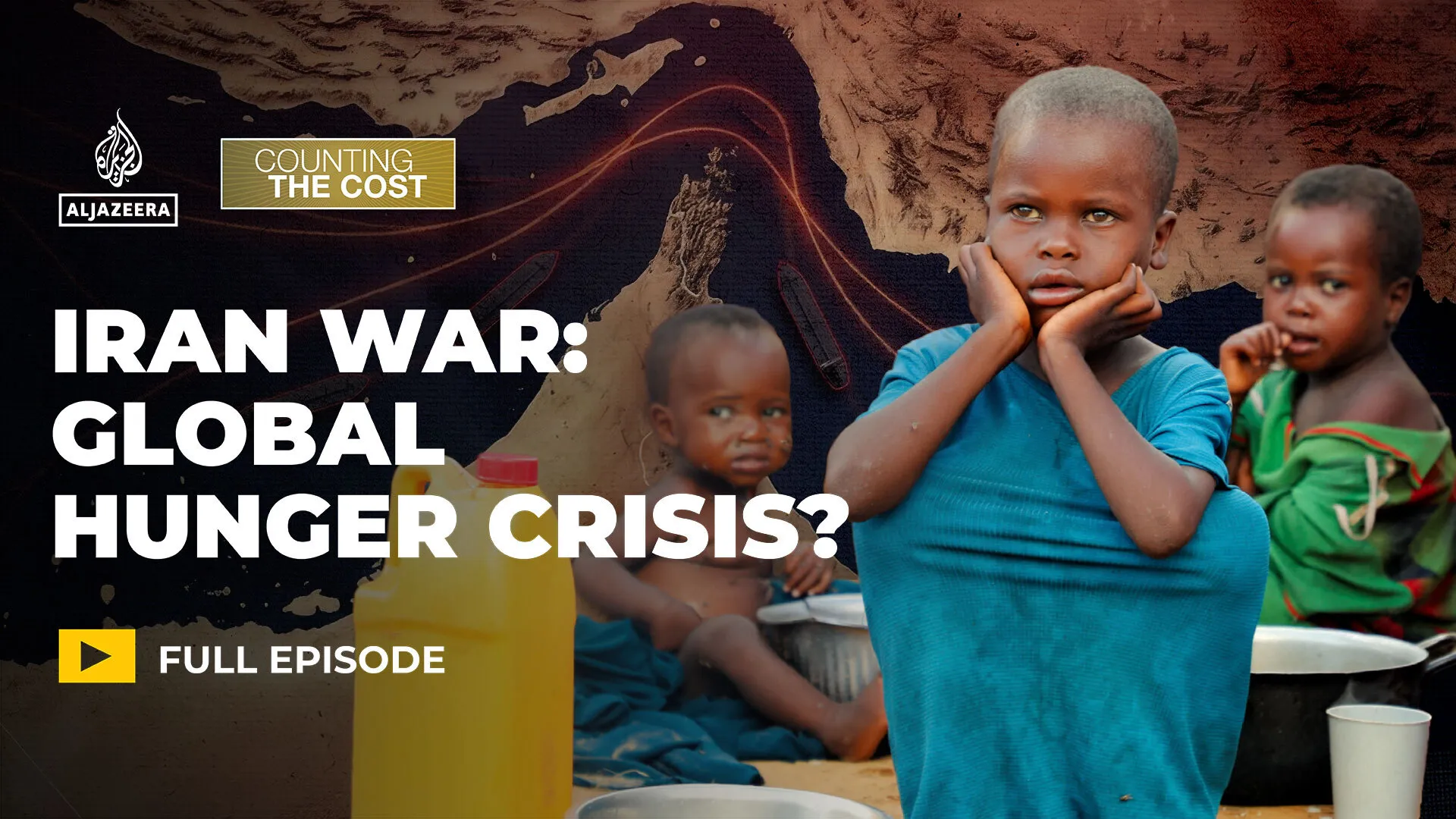
The United Nations has issued a stark warning that ongoing conflict involving Iran, specifically through disruptions to shipping in the Strait of Hormuz, poses a significant risk of triggering a global hunger crisis. The UN assessment highlights a critical window of just a few weeks; if fertiliser shipments are blocked from passing through this strategic chokepoint, the world could face mass starvation. This warning comes as food prices are already at a three-year high and fertiliser costs have risen sharply. Aid agencies are particularly concerned that prolonged disruptions could push tens of millions of additional people into hunger, with vulnerable economies already burdened by high debt and import costs being the most susceptible to these supply chain failures.
The UN stated that if fertilisers cannot pass through the strait within a few weeks, the world could face mass starvation. The agency noted that the consequences could be severe if shipping disruptions linked to the Iran conflict drag on. Food prices are currently at a three-year high, and fertiliser costs have risen sharply. Aid agencies fear that prolonged disruptions could push tens of millions more people into hunger, particularly in vulnerable economies struggling with debt and high import costs.
The Strait of Hormuz is a critical global chokepoint for energy and agricultural supply chains; its disruption has immediate global economic implications. Global food prices are already elevated, sitting at a three-year high prior to this specific warning, indicating pre-existing market stress. Vulnerable economies are already struggling with high debt levels and high import costs, making them particularly susceptible to further price shocks in food and fertiliser.
The broader context involves a conflict involving Iran, which has escalated to impact international shipping lanes. The UN has specified a critical timeframe: fertilisers must pass through the Strait of Hormuz within "just a few weeks" to prevent mass starvation. The report links the shipping disruptions directly to the "Iran conflict," noting that the consequences could be severe if these disruptions drag on.
Aid agencies are now explicitly fearing a scenario where tens of millions more people are pushed into hunger due to these specific supply chain failures. The specific timeframe for preventing mass starvation is just a few weeks. The Strait of Hormuz is a key shipping lane for fertilisers; disruptions here directly impact global food production costs and availability. Tens of millions of people, particularly in vulnerable economies already struggling with high debt and import costs, are the most vulnerable populations. Food prices are at a three-year high, and fertiliser costs have risen sharply.