Jury tasked with determining if OpenAI breached charitable trust in Musk lawsuit
Legal teams present final cases on whether the AI developer prioritised profit over safety and if the suit was filed within the statute of limitations.
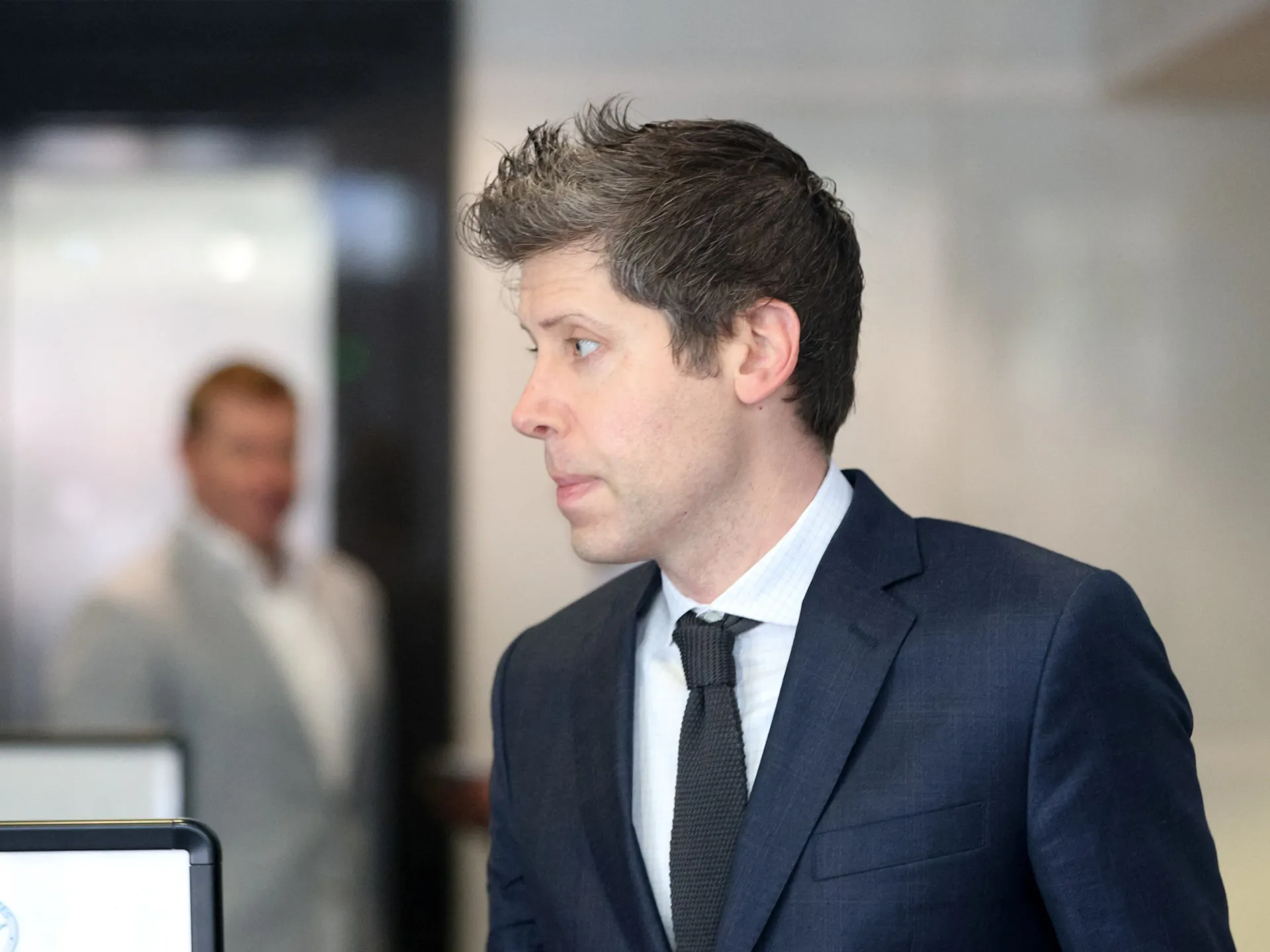
Closing arguments have commenced in the landmark civil lawsuit filed by Elon Musk against OpenAI, its chief executive Sam Altman, and president Greg Brockman. The trial centres on allegations that OpenAI breached its founding charitable trust by prioritising profit over AI safety and enriching insiders. Jurors must now determine whether the lawsuit was filed within the statute of limitations and, if so, whether OpenAI violated its charitable mission.
Elon Musk was absent from the proceedings as he is currently in China on a diplomatic visit with United States President Donald Trump. His legal team, led by Steven Molo, presented concluding statements accusing OpenAI of betraying its mission. Molo characterised Altman as untrustworthy, citing five witnesses—Musk, former chief scientist Ilya Sutskever, former CTO Mira Murati, and former board members Helen Toner and Tasha McCauley—who called Altman a liar under oath.
The lawsuit also names Microsoft as an accomplice, alleging the tech giant aided and abetted OpenAI’s conduct despite being aware of it. Microsoft invested $1 billion in OpenAI in 2019 and a further $10 billion in 2023. Molo argued that Microsoft was aware of OpenAI’s actions every step of the way, reinforcing the claim that the company strayed from its original nonprofit values.
OpenAI’s defence lawyer, Sarah Eddy, pushed back against these assertions, arguing that Musk waited too long to file the suit. Eddy stated that by 2017, all parties, including Musk, recognised the need for more funding than a nonprofit structure could provide. She further suggested that Musk sought to convert OpenAI into a for-profit entity he could control, a move other founders reportedly refused.
Judge Yvonne Gonzalez Rogers has indicated that if the jury finds the lawsuit was filed outside the statute of limitations, she will likely direct a verdict for the defendants. If the jury decides the lawsuit was filed on time, it must then determine whether OpenAI had a charitable trust and whether the company and its executives violated that trust. The case coincides with OpenAI’s planned initial public offering, expected to be among the largest ever.