Hajj proceeds amid conflict as Saudi Arabia deploys air defence systems
Saudi Arabia is hosting 1.5 million pilgrims for the first Hajj held during active hostilities, relying on Patriot missiles and layered air defences while Western nations issue travel warnings.
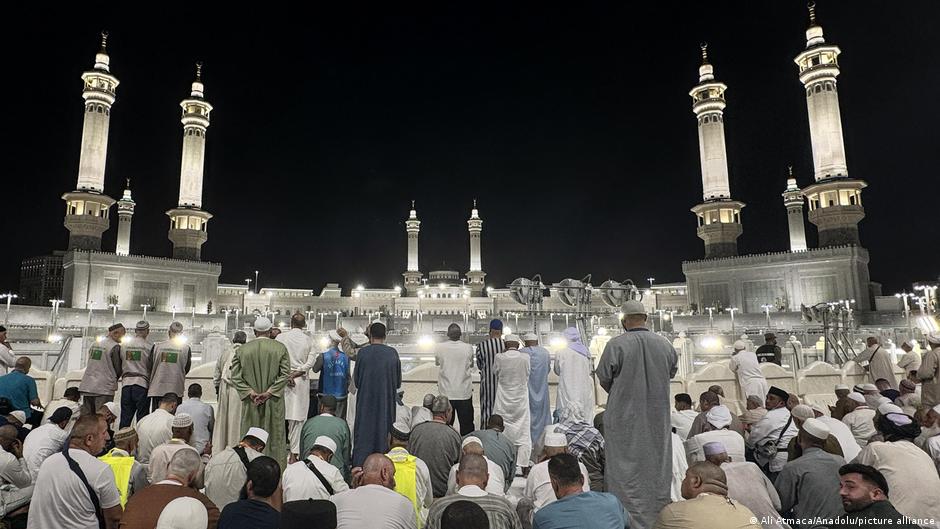
Saudi Arabia is proceeding with the annual Hajj pilgrimage from May 25 to May 29, expecting approximately 1.5 million attendees despite the ongoing Iran war. This marks the first time the event has taken place during active conflict involving direct strikes on Saudi territory. The gathering, one of the largest human assemblies globally, continues a tradition that has only been restricted or canceled roughly 40 times in 14 centuries, with the last major disruption occurring during the COVID-19 pandemic in 2020.
Security protocols have been significantly intensified to protect the holy sites. The Saudi government has released images of Patriot missile batteries deployed around the Grand Mosque, highlighting a layered air defence system that includes high-altitude missiles and anti-drone laser weaponry. This response follows recent incidents, including the interception of three drones last weekend that Saudi authorities attributed to pro-Iran militias in Iraq. The conflict began in late February after US and Israeli attacks on Iran, prompting Tehran to target Gulf states, although a ceasefire is currently in effect.
Western governments have expressed caution, with the United States, Germany, and the United Kingdom issuing travel warnings. The US government ordered non-emergency employees to leave in early March and urged citizens to reconsider their participation. Despite these advisories, religious commitment appears to outweigh safety concerns for many pilgrims. The Central Council of Muslims in Germany noted that planning for the journey typically involves significant financial and temporal investment made well before the conflict, creating a high hurdle for cancellation.
Analysts at the House of Saud media outlet have raised specific concerns regarding the risks posed by the security infrastructure and the broader conflict. Warnings include the potential for interception debris from Patriot missiles to scatter across areas densely populated by pilgrims, drone malfunctions, and the possibility of nuclear fallout from Iran’s Bushehr reactor drifting toward Saudi Arabia. Experts suggest that while Iran is unlikely to deliberately target the sites due to their sacred status, accidental consequences remain a serious risk.
The war has also introduced substantial financial and logistical challenges. Rising jet fuel prices and airspace restrictions have increased travel costs, leading to varied government responses. The Indonesian government, sending 221,000 pilgrims, has agreed to absorb extra expenses and deployed state officials to facilitate services. In contrast, India’s Hajj organizing committee passed a price increase of approximately $100 per pilgrim to cover airline demands. Additionally, mandatory travel insurance for international visitors often excludes military conflict coverage, further complicating arrangements for those without specialised policies.