Global condemnation mounts over Israeli minister’s abuse of aid flotilla activists
The incident marks a significant escalation in tensions surrounding the Gaza blockade, with international actors questioning the extent of future diplomatic or economic action against Israel.
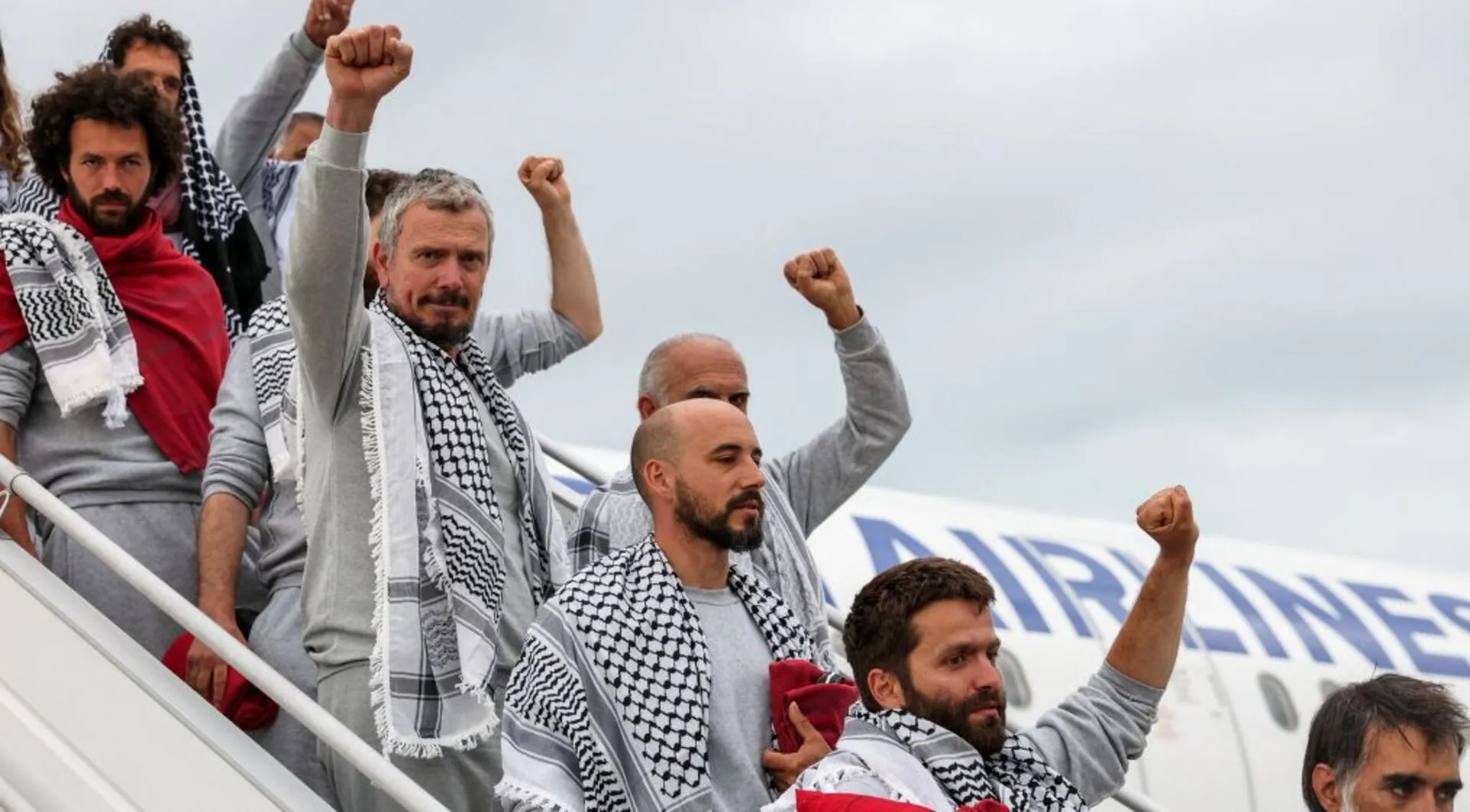
Global condemnation has intensified following reports that an Israeli minister mistreated activists abducted aboard a humanitarian aid flotilla. The incident has prompted various nations to summon their Israeli envoys in protest, signalling a sharp rise in diplomatic friction over the treatment of detainees.
The flotilla campaign, which began in 2008 two years after Israel imposed a blockade on the Gaza Strip, has long been a flashpoint for international relations. While two boats have successfully reached Gaza despite Israeli attempts to intercept them, Israeli forces have subsequently forced several other flotillas to turn back.
Over the years, hundreds of activists have been detained by Israeli forces, with reports indicating that violence has been used in international waters. The latest incident has drawn specific criticism for the abuse of these activists, notably involving a senior Israeli minister, though the precise identity of the official remains unspecified in current reports.
The nature of the mistreatment has been described by critics as dehumanising, raising questions about the legal and ethical boundaries of Israel’s enforcement of the blockade. This has led to broader debates regarding whether the current measures constitute a violation of international norms, particularly given the humanitarian nature of the cargo being transported.
As countries consider their next steps, the focus has shifted from mere protest to potential escalation. Diplomatic sources indicate that various nations are weighing whether to take further action against Israel’s treatment of activists and Palestinians, moving beyond the standard protocol of summoning envoys.
The debate over the efficacy and morality of the flotilla movement is being examined by a range of stakeholders, including former diplomats and media figures. Perspectives from individuals such as former British diplomat Carne Ross and former Associated Press editor Dan Perry highlight the complex geopolitical implications of these interventions.
Meanwhile, the human cost remains a central concern for those involved in the aid efforts. Ahmed Abo Askar, an engineering student lobbying for the sponsorship of orphans in Gaza, underscores the ongoing humanitarian crisis that continues to drive these maritime campaigns despite the risks involved.
The international community now faces a critical juncture, with pressure mounting on Israel to address the allegations of abuse while other nations deliberate on the appropriate level of diplomatic response to the blockade’s enforcement.