Haiti’s capital paralysed as gang violence forces hospital evacuations and displaces hundreds
Medical infrastructure collapses in the capital as Doctors Without Borders and Centre Hospitalier de Fontaine suspend operations, while UN-backed security mission begins tentative deployment.
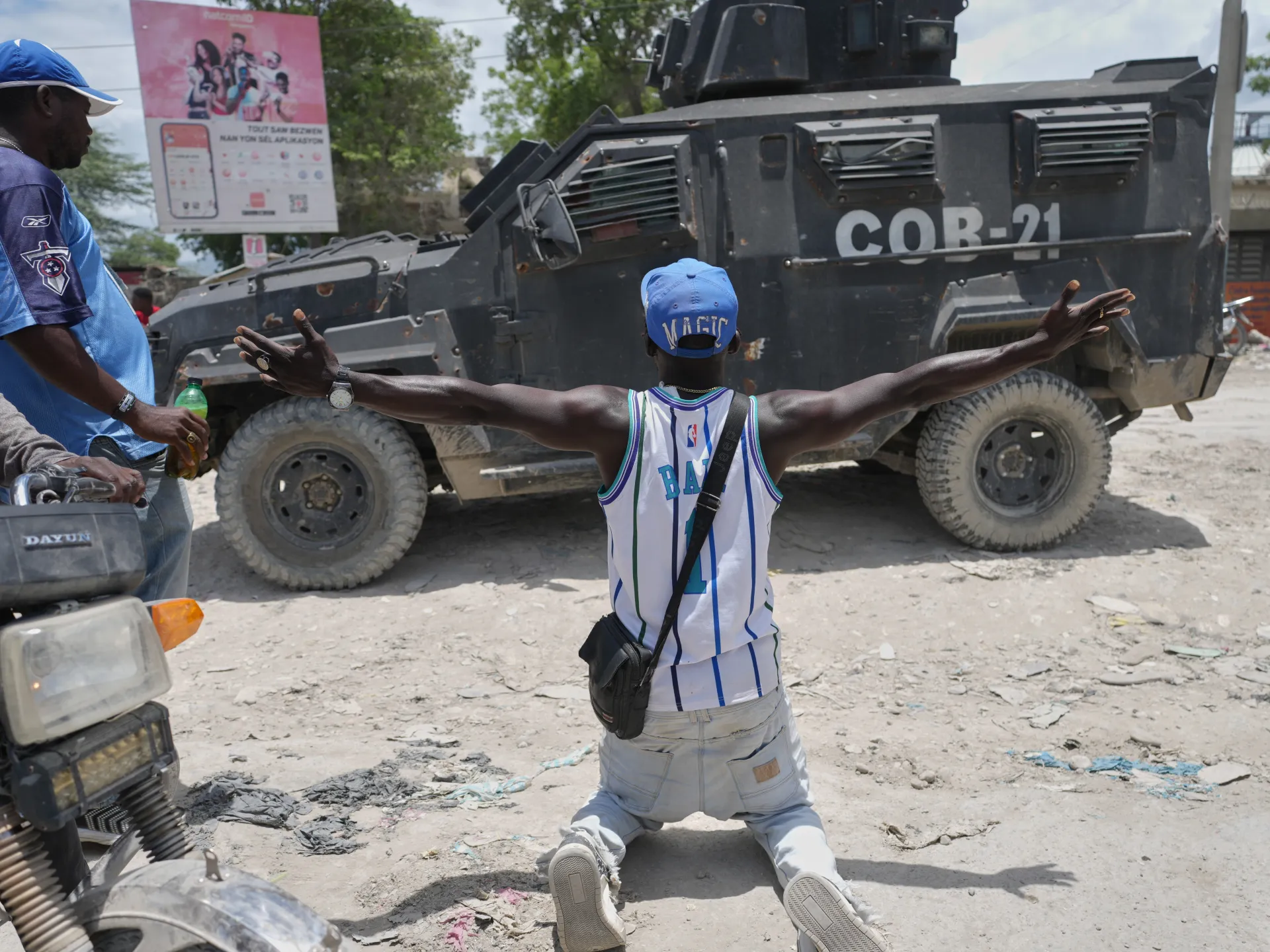
Residents of the Cite Soleil neighbourhood in Port-au-Prince have taken to the streets to demand government protection following a fresh surge of gang violence that forced hundreds to flee their homes over the weekend. Protesters reported witnessing killings in the area in recent days, though Haitian authorities have not released any official casualty figures. The unrest underscores the deepening governance vacuum in Haiti, which has been without a president since the assassination of Jovenel Moise in July 2021.
Police estimates indicate that armed groups now control approximately 70 percent of the capital, having expanded their operations to include looting, kidnapping, and sexual violence in rural areas as well. The deterioration of security has severely impacted essential services, with medical facilities among the hardest hit. On Sunday, intense clashes in Cite Soleil prompted Doctors Without Borders to evacuate its hospital in the area, citing safety concerns for staff and patients.
The disruption to healthcare infrastructure continued into Tuesday, when the Centre Hospitalier de Fontaine announced it had suspended operations. The facility evacuated all remaining patients, including 11 newborns, further straining an already fragile medical system. The closure of these key facilities highlights the extent to which non-state armed actors have effectively displaced state authority in parts of the capital.
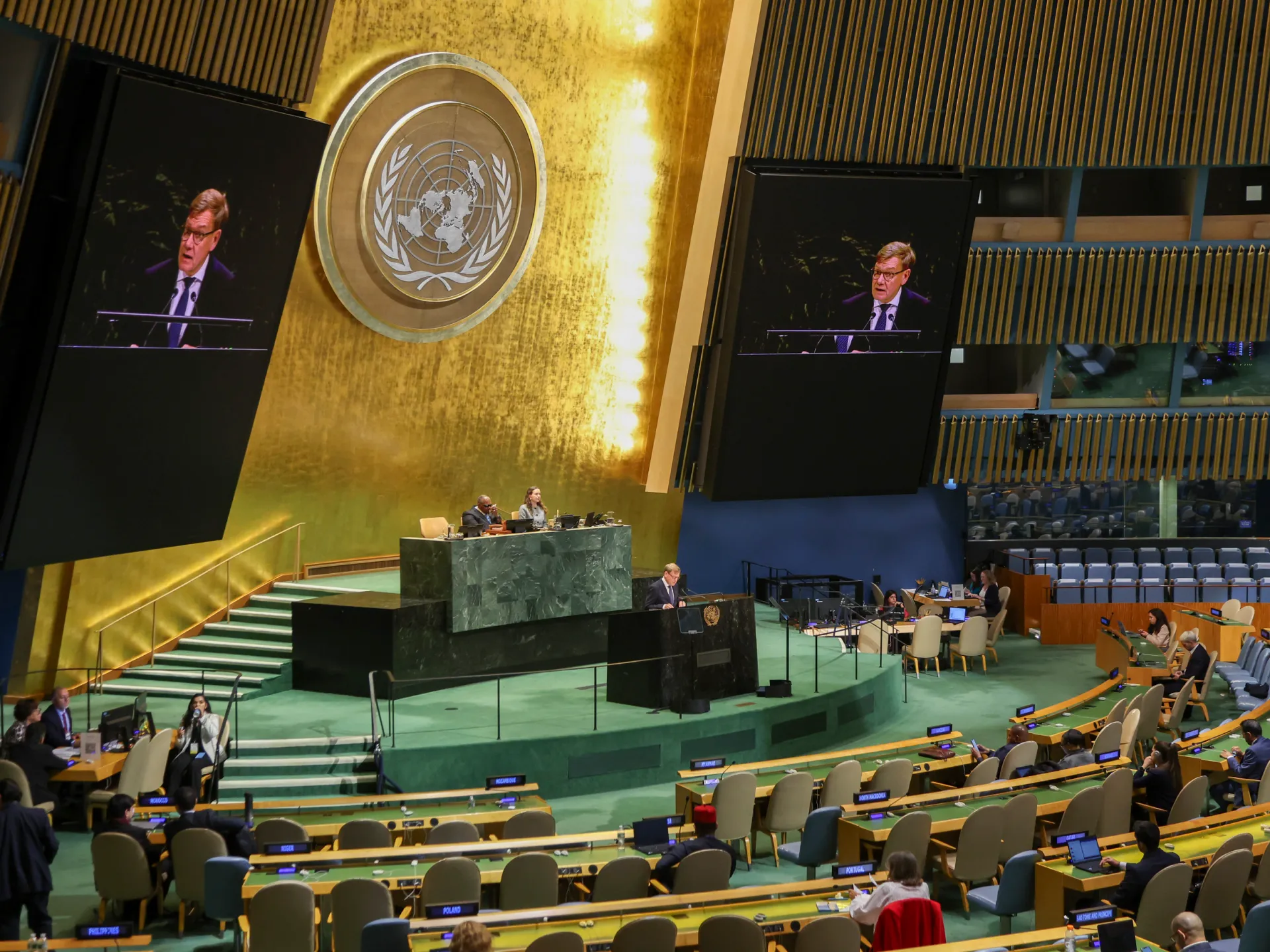
In response to the escalating crisis, an international security mission backed by the United Nations has begun deploying troops to help quell the violence. The UN Security Council approved a plan for a 5,550-member mission in late September last year, although the full contingent has not yet arrived. The first foreign troops linked to this UN-authorised force arrived in April, with an undisclosed number of troops from Chad currently deployed in the country.
The displacement crisis in Haiti is already severe. A report published earlier this year by the International Organization for Migration estimated that more than 1.4 million people have been displaced, with approximately 200,000 living in overcrowded and underfunded sites within the capital. As the international community attempts to stabilise the security situation, the immediate priority remains the protection of civilians and the restoration of basic public services in the most affected neighbourhoods.