Greenland security pact: US and Denmark announce Arctic defence deal
Washington and Copenhagen have finalised a security agreement for Greenland, a move that grants the US significant strategic leverage while Copenhagen insists on preserving the island’s sovereignty.
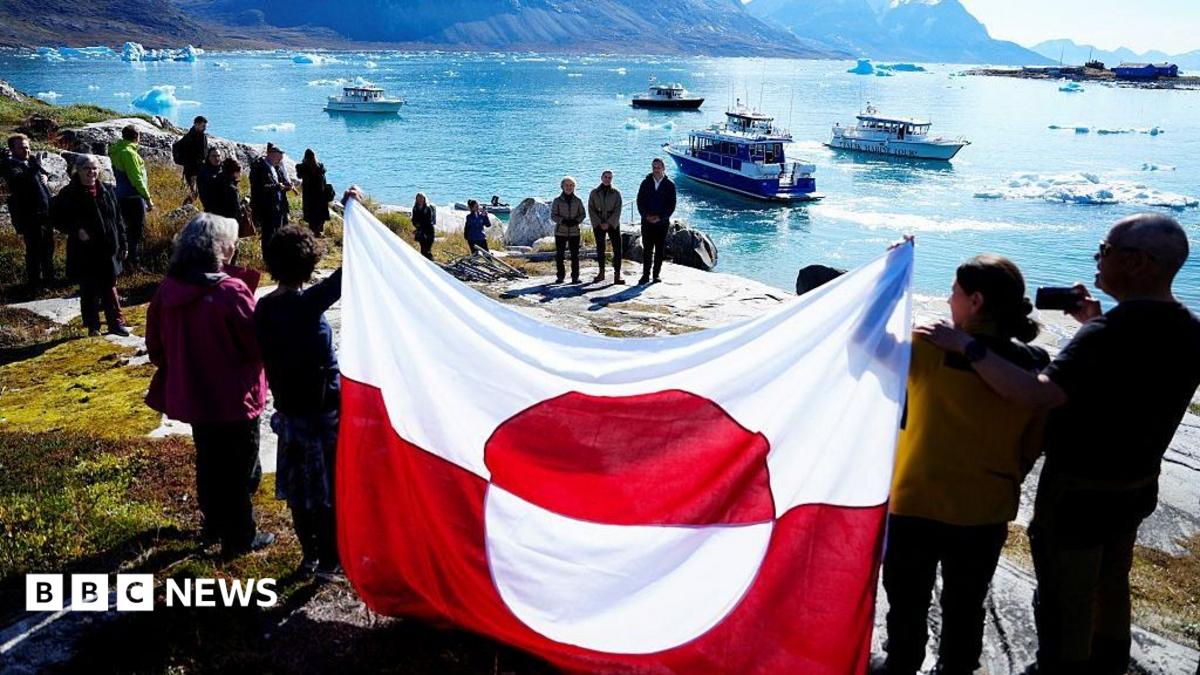
The United States and Denmark have announced a security agreement regarding Greenland, which is scheduled to be formally signed at the United Nations General Assembly next week. The deal represents a significant shift in the geopolitical landscape of the Arctic, following months of tension during which US President Donald Trump threatened to “take” the island over national security concerns.
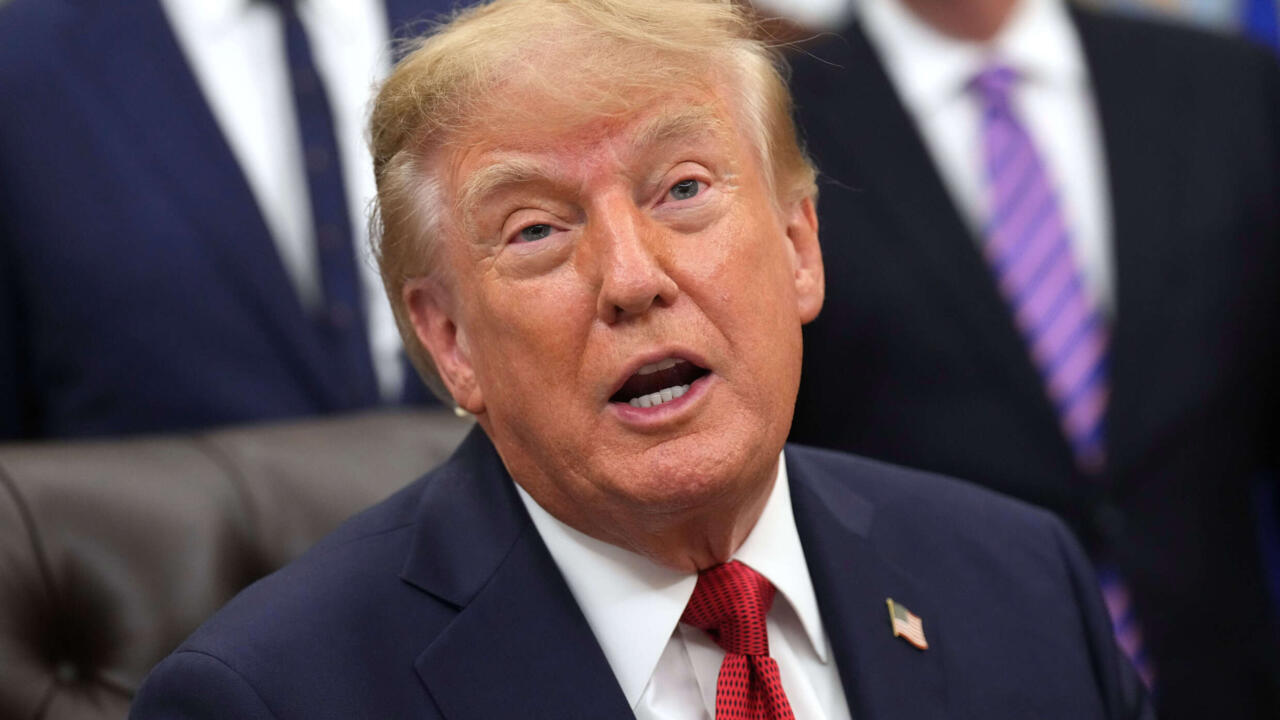
In a post on Truth Social, Mr Trump stated that the agreement grants the US “permanent control over security, and all other needs, in Greenland”. He further claimed the deal comes with “no cost to the United States” and allows Washington to “do what is necessary” to secure and defend the territory. The President cited the island’s strategic location for defence purposes and its mineral wealth as key drivers for the move.
A central provision of the agreement, as described by Mr Trump, is a rule preventing US adversaries from maintaining a military presence in Greenland or making “sensitive investments” without express written approval from Washington. US Secretary of State Marco Rubio characterised the arrangement as a “historic deal” and a “huge win for the United States and the American people”, asserting that it permanently addresses national security concerns in the region.
However, a discrepancy exists between the US and Danish characterisations of the pact. Danish Prime Minister Mette Frederiksen confirmed the agreement “strengthens our common security in the Arctic and the North Atlantic area”, but her statement did not explicitly address the specifics of “permanent control” mentioned by Mr Trump. Instead, she emphasised that the deal “recognises the sovereignty and territorial integrity of the Kingdom and the right of the Greenlandic people to self-determination”.
The announcement follows earlier friction between the United States and European partners. Earlier in 2026, the European Union united to rebuke Mr Trump over his push to acquire the island, highlighting the diplomatic sensitivity surrounding the territory’s status. Greenland has consistently maintained that the island is not for sale, a stance that complicates any interpretation of the new security framework.
While the broad strokes of the agreement have been outlined by both leaders, the specific legal and operational details remain unconfirmed by Danish officials. The precise nature of the “permanent control” and “all other needs” referenced by Mr Trump remains undefined in official Danish statements, leaving the full scope of the US strategic footprint in the Arctic open to interpretation.