Greenland security pact grants US permanent control, pending parliamentary approval
The agreement, expected to be signed at the UN General Assembly, resolves a sovereignty dispute by granting Washington security authority while Copenhagen insists on retaining territorial integrity.
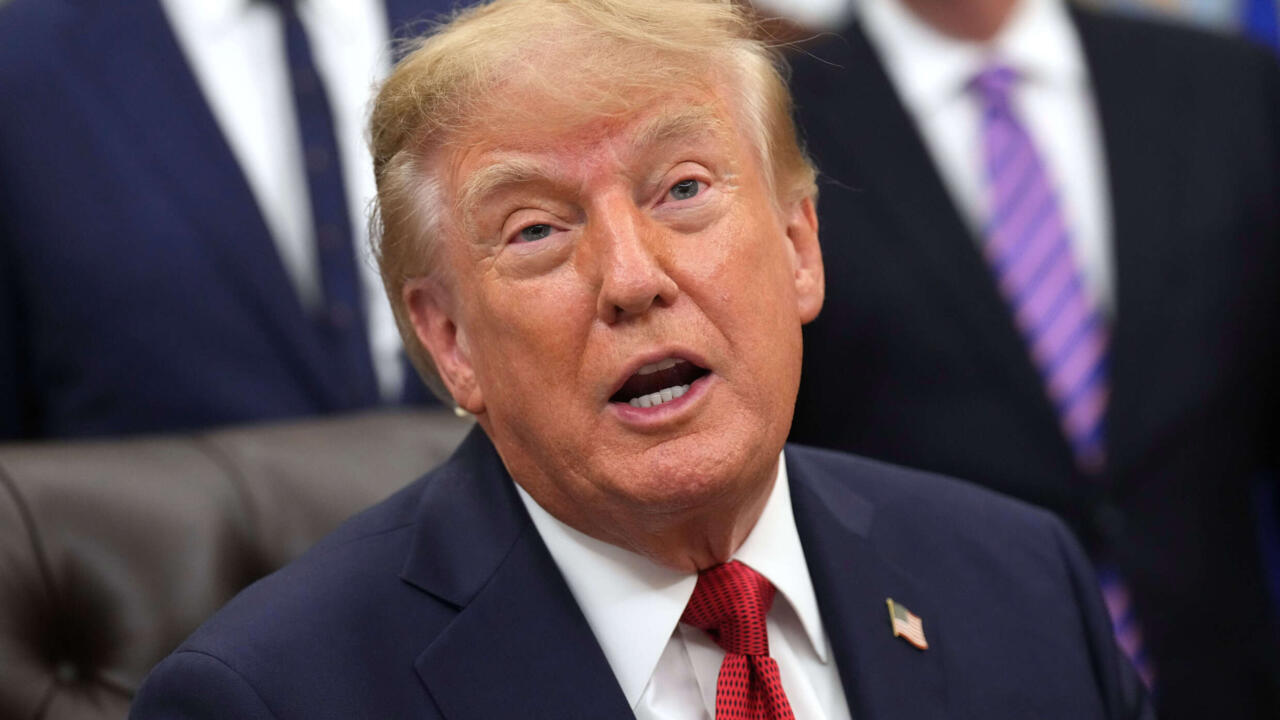
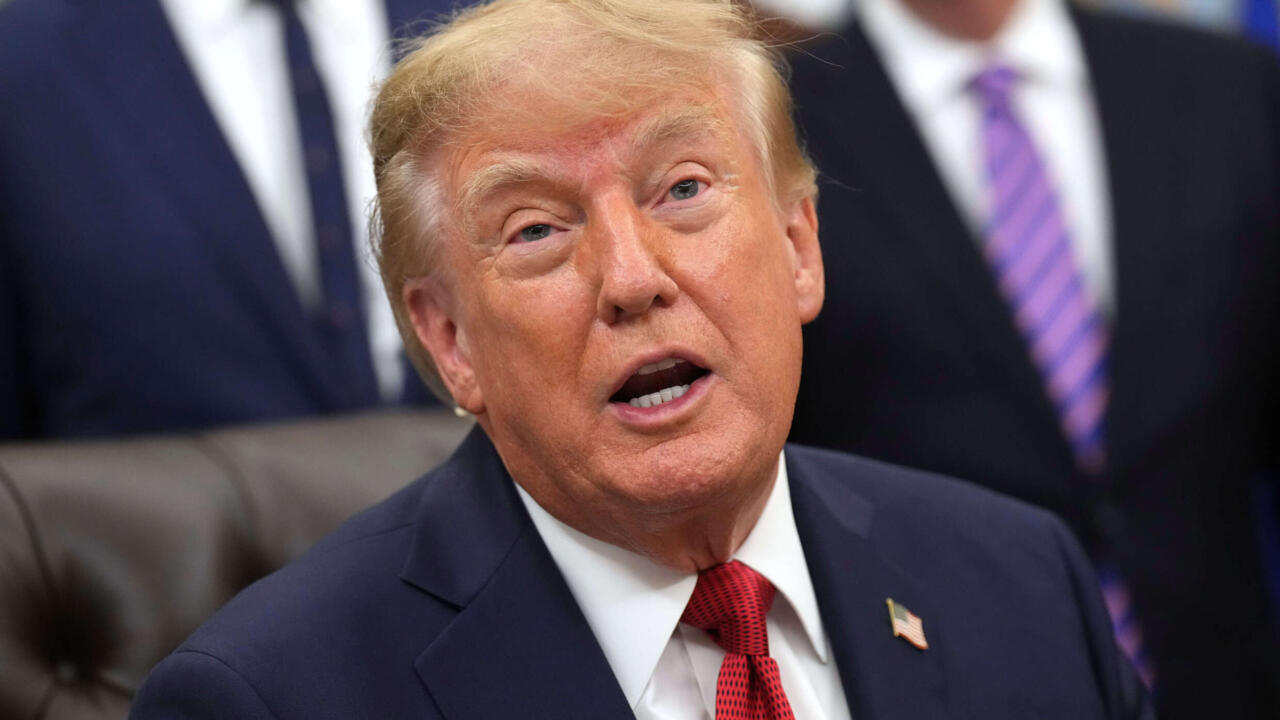
US President Donald Trump has announced a deal with Denmark to expand the American military presence in Greenland, a move that grants the United States permanent control over security in the territory. The agreement is expected to be signed by the governments of the US, Denmark, and Greenland during the United Nations General Assembly next week, marking a significant shift in the geopolitical status of the Arctic region.
In a social media post, Trump stated that the deal “gives the United States permanent control over security, and all other needs, in Greenland, completely addressing ALL of our many US concerns.” He indicated that his administration would “immediately” begin developing a larger military presence on the mineral-rich territory, framing the deployment as essential for national security.
The office of Danish Prime Minister Mette Frederiksen confirmed that the agreement will be formalised next week. However, the deal is not yet legally binding, as it requires parliamentary approval from both the Danish and Greenlandic governments before it can be enforced. This procedural step remains a critical hurdle for the implementation of the new security framework.
Denmark’s statement emphasised that the agreement recognises the sovereignty and territorial integrity of both Greenland and Denmark. The office noted that the pact upholds the right to self-determination for both populations, a distinction that appears to balance the extensive security powers granted to Washington with the political autonomy of the territory.
The announcement follows months of tension during which Trump threatened to take the island by military force, despite Denmark being a NATO ally. Since returning to the White House last year, the US President had called on Denmark to sell Greenland, insisting it was crucial for US security, while Copenhagen and Nuuk repeatedly maintained the island was not for sale.
The US push for Greenland had previously drawn opposition from Russia and much of Europe, with the European Union uniting earlier in 2026 to rebuke Trump. Denmark had viewed the situation as an existential crisis, particularly after condemning reports of US intelligence gathering on the island. The new pact suggests an understanding has been reached that may bring an end to this prolonged diplomatic standoff.