Greenland ice dynamics: Massive iceberg capsizes near Ilulissat
Al Jazeera reports a large iceberg flipped with significant force, highlighting the volatile nature of Arctic ice formations in the region.
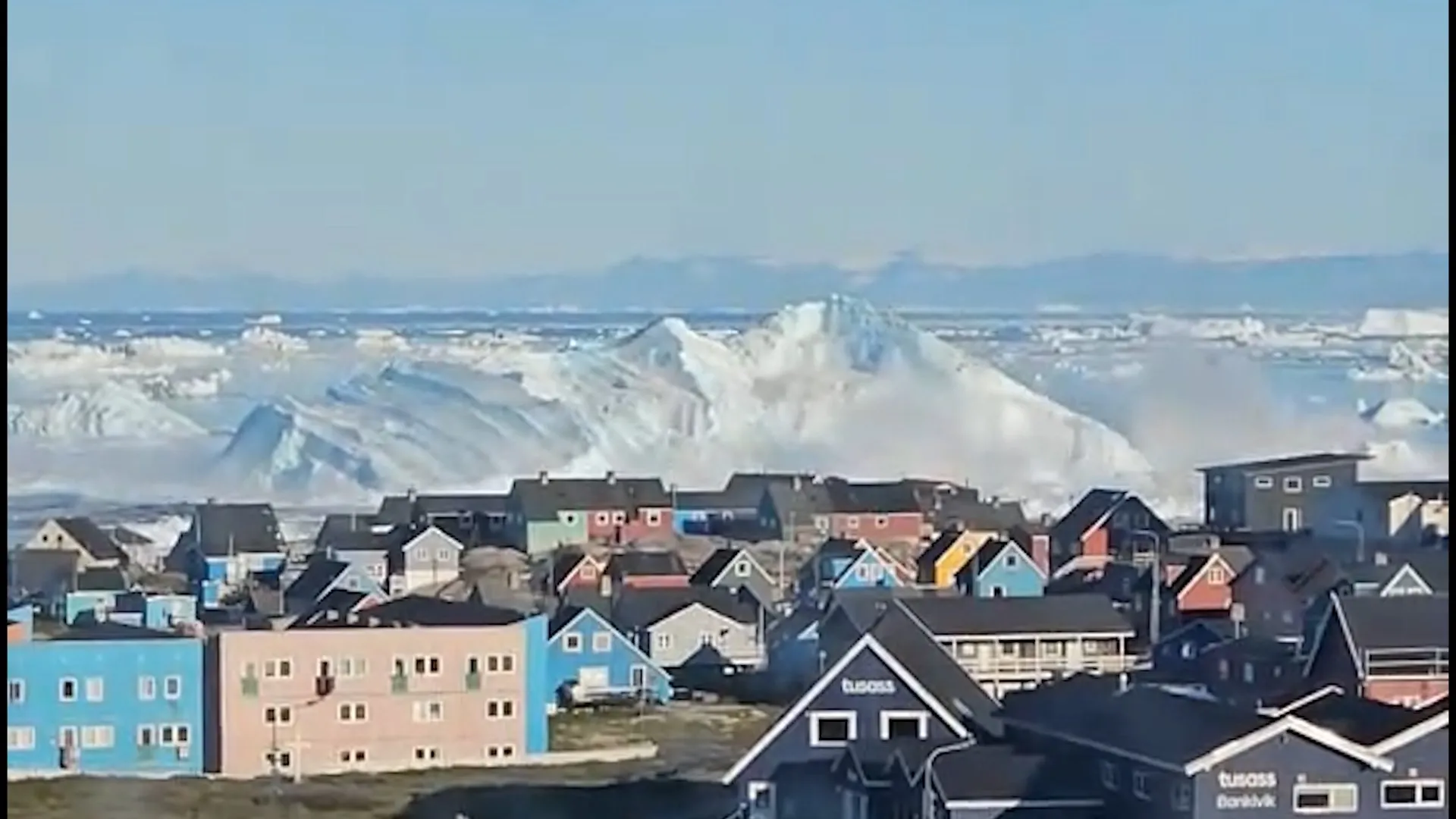
A massive iceberg has capsized with considerable force off the coast of Ilulissat, Greenland, according to reporting by Al Jazeera Global News. The event, which involved the ice mass flipping over, exposed the structure’s jagged underside, offering a stark visual of the physical dynamics at play in the region’s waters.
Ilulissat is situated near the Ilulissat Icefjord, a designated UNESCO World Heritage site known for its active calving glaciers. The location is frequently cited in discussions regarding Arctic environmental shifts, where ice formations are subject to constant movement and structural changes driven by natural and climatic factors.
The capsizing was described as occurring with significant force, a characteristic often associated with the destabilisation of large ice blocks. While specific dimensions or scientific measurements of the iceberg were not provided in the initial reports, the descriptive term “massive” underscores the scale of the formation involved in the incident.
Iceberg capsizing is a recognised natural phenomenon within the Arctic ecosystem. It is typically linked to calving events and the broader impacts of climate change on ice stability. The exposure of the underside during such events provides insight into the internal structure and density variations of the ice, though detailed analysis of this specific instance remains limited in the current reporting.
The source material, published by Al Jazeera, notes the occurrence without detailing any immediate consequences such as tsunamis or damage to local infrastructure. The metadata associated with the report suggests a timeline in July 2026, although discrepancies in source dating require caution when interpreting the precise temporal context of the event.
As Arctic regions continue to experience heightened environmental variability, events of this nature serve as observable indicators of ongoing changes in ice behaviour. The incident near Ilulissat adds to the growing body of observational data regarding the stability and movement of large ice masses in Greenland’s coastal waters.