Gilgit-Baltistan’s development model under pressure from climate and infrastructure strain
A France 24 report by Shahzaib Wahlah and Ondine de Gaulle highlights how the region’s reliance on glacial landscapes and Aga Khan-linked development initiatives is being tested by rapid glacier retreat and unchecked construction.
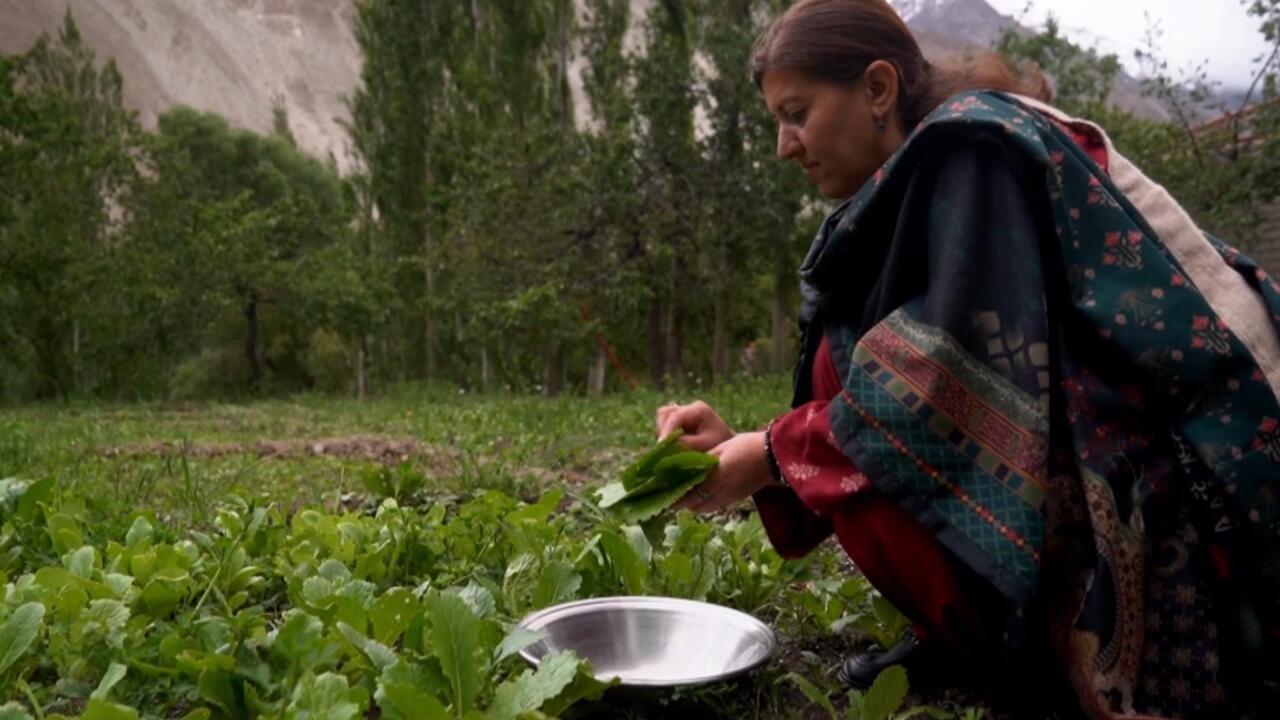
The Hunza Valley in Gilgit-Baltistan, a remote mountainous region of northern Pakistan, has undergone a dramatic socioeconomic transformation over recent decades. This shift has been driven by expanded access to education and improved healthcare, developments that are largely attributed to foundations associated with the Aga Khan Development Network. The Aga Khan, the spiritual leader of the Ismaili community, has been central to this model of progress, which has reshaped the area’s infrastructure and social services.
The Ismaili minority constitutes approximately 90% of Hunza’s population, with a total membership of nearly 500,000 across Pakistan. This demographic concentration has facilitated a cohesive development strategy that has boosted the local economy. However, the region’s newfound accessibility has also fuelled a surge in tourism, attracting tens of thousands of visitors annually to a landscape dominated by high-altitude peaks above 7,000 metres, including K2.
This influx of visitors has spurred rapid infrastructure expansion, fundamentally altering the physical character of the valley. Hotels and related facilities are being constructed at an accelerated pace, with concrete development becoming increasingly visible in previously remote areas. While these projects have created new opportunities for local communities, they represent a significant shift in the region’s environmental and aesthetic landscape.
Concurrently, Gilgit-Baltistan is positioned on the front line of climate change, facing severe environmental challenges that threaten the stability of its tourism-dependent economy. The region’s thousands of glaciers are retreating rapidly, a phenomenon that undermines the very natural assets that draw international visitors. This environmental degradation is compounded by an increase in the frequency of climate-related disasters.
The convergence of rapid infrastructure growth and acute climate impacts presents a complex governance challenge for the region. As the local economy continues to find its footing, the tension between development ambitions and environmental sustainability remains unresolved. A report by Shahzaib Wahlah and Ondine de Gaulle underscores the urgency of balancing economic progress with the preservation of the glacial ecosystems that sustain the valley.