Germany takes delivery of first F-35A as NATO defence commitments deepen
The handover of the first jet in a 35-aircraft order marks a pivotal step in Berlin’s military modernisation and its fulfilment of nuclear-sharing duties.
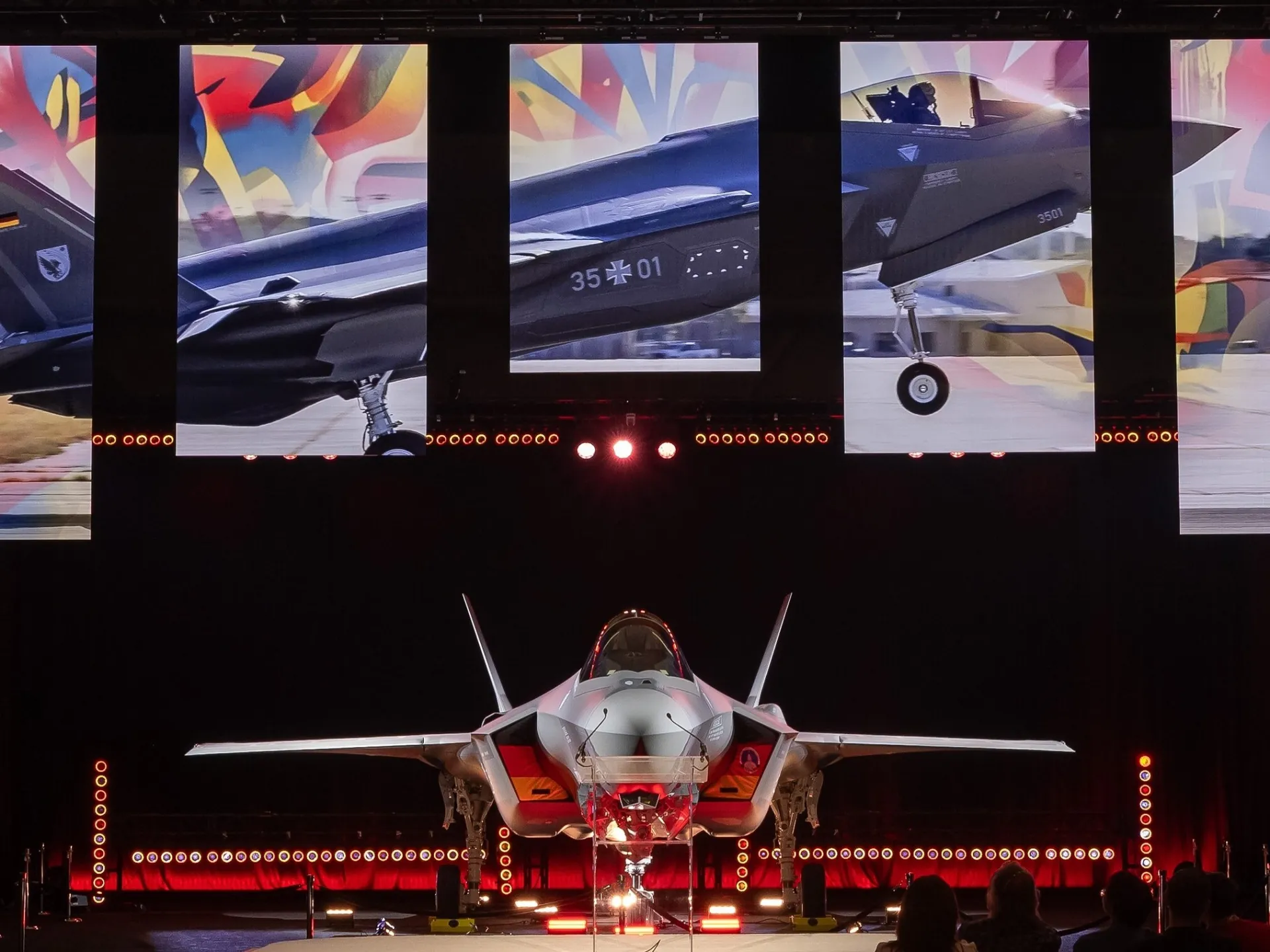
Germany has received the first of 35 F-35A Lightning II fighter jets from Lockheed Martin, a delivery that signals a significant shift in the country’s defence posture. The aircraft was formally presented to the German government during a ceremony at the manufacturer’s production facility in Fort Worth, Texas, attended by German Defence Minister Boris Pistorius.
The order, placed in 2022 during the initial phase of Russia’s invasion of Ukraine, is designed to replace Germany’s ageing Tornado fleet. Beyond simple modernisation, the new jets are intended to fulfil Germany’s nuclear-sharing duties within the North Atlantic Treaty Organisation (NATO) framework.
Defence Minister Pistorius described the handover as the beginning of a new era for the German Air Force. In a statement, he characterised the F-35A as the world’s most advanced combat aircraft, highlighting its stealth capabilities, close integration with other platforms, and powerful sensor technology.
The delivery coincides with a broader trend among European NATO members to increase defence spending. This financial commitment is partly a response to pressure from the Trump administration, which has urged European allies to boost expenditure to allow Washington to focus on other strategic challenges, such as countering China.
In 2025, European countries, including Germany, agreed to devote five percent of gross domestic product to security-related spending by 2035. This target represents a substantial increase from previous benchmarks and underscores the institutional weight of the new military procurement.
While the first jet has arrived, the specific timeline for the delivery of the remaining 34 aircraft has not been detailed. The move nonetheless marks a concrete step in Berlin’s effort to modernise its armed forces after decades of relatively low defence spending.