Chinese and Iranian foreign ministers meet as ceasefire holds in Middle East conflict
The United States and Iran are both turning to China to help stabilise the region, leveraging its prior success in restoring ties between Riyadh and Tehran.
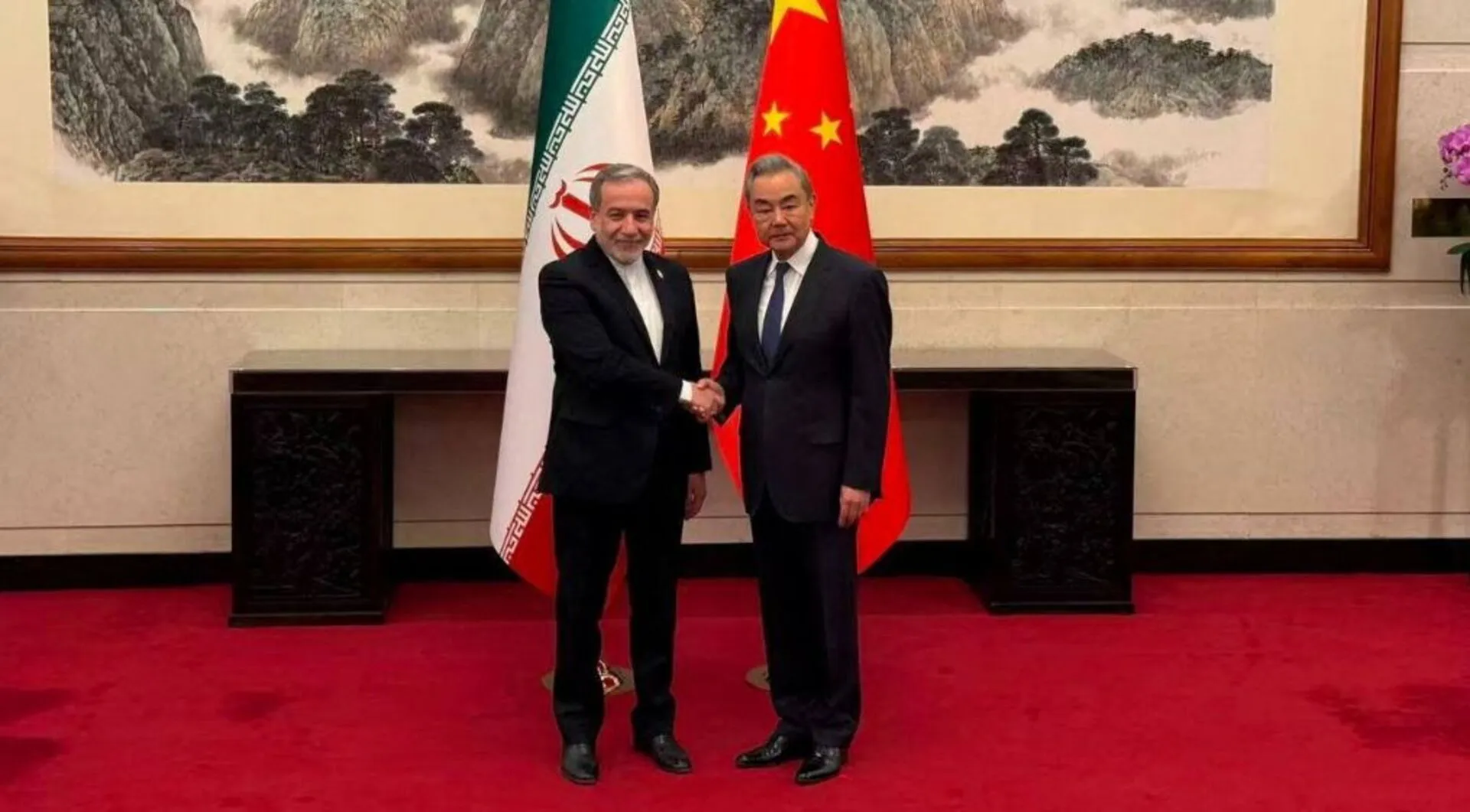
Chinese and Iranian foreign ministers have met in a significant diplomatic development as a tense ceasefire continues to hold in the ongoing war. The gathering marks a moment where Beijing is increasingly viewed as a central figure in global diplomacy within the region, even as it maintains that it is not officially mediating efforts to end the conflict.
Despite the absence of an official mandate, both the United States and Iran are actively looking to China to assist in de-escalating the situation. Analysts suggest that the nation's economic clout could be the deciding factor in propelling the two sides towards a resolution if Beijing makes a direct push to stop the fighting. The meeting occurs against a backdrop of stalled negotiations and uncertainty fuelled by a United States blockade on Iranian ports and attempts to clear stranded ships in the Gulf.
China's current role is built upon a foundation of prior diplomatic success, specifically its assistance in re-establishing diplomatic ties between Riyadh and Tehran in 2023. This track record positions the nation as a stabilising force capable of influencing the current crisis, even without formal mediation credentials. The approach mirrors the strategy used in the previous year, where Beijing facilitated a restoration of relations that had previously frayed.
The current diplomatic landscape is further complicated by strained relations between the United States and the United Kingdom. While King Charles proceeds with a state visit to the US following a shooting incident at the White House, the underlying tensions regarding the Iran war remain high. The United States has imposed restrictions on Iranian ports, measures that have contributed to global energy crisis uncertainty and added pressure to the ongoing conflict.
Experts note that while the ceasefire is intended to lead to a negotiated settlement, the duration and stability of the current pause are not explicitly defined. The warring parties are observing the truce, but the path to a formal agreement remains unclear. The reliance on expert commentary regarding the specific outcomes of the meeting highlights the complexity of the situation, as direct quotes from the foreign ministers concerning the immediate results are not available.
As the meeting concludes, the focus remains on whether China's involvement can effectively translate into a cessation of hostilities. The interplay between economic leverage and diplomatic pressure will likely determine the course of negotiations in the coming days. The global community watches closely to see if this convergence of interests can break the deadlock that has persisted despite earlier suggestions that the war would end quickly.