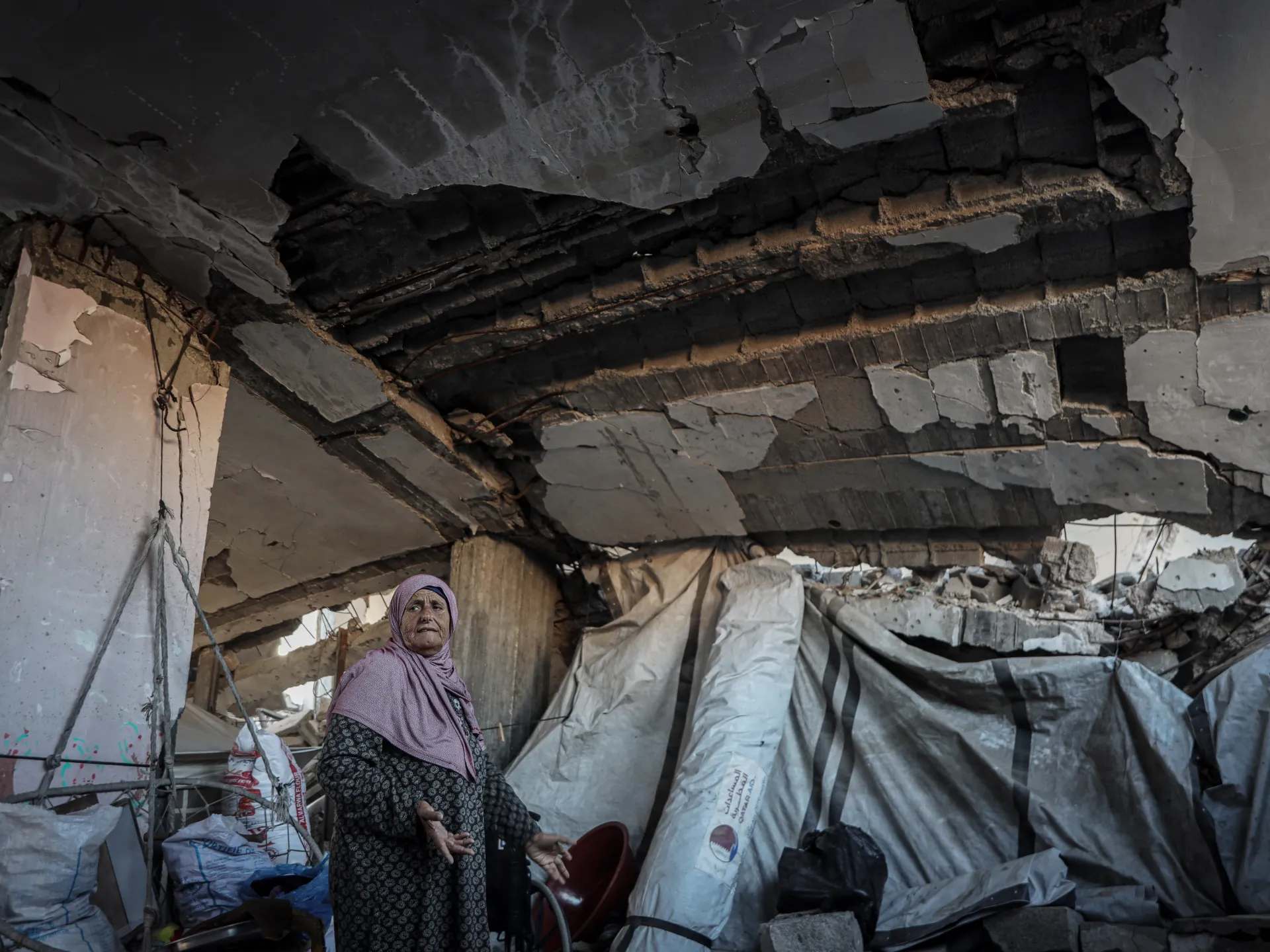
Gaza residents welcome Israel’s approval of international stabilisation force
Approval marks a shift in access terms, though operational details of the force remain undefined
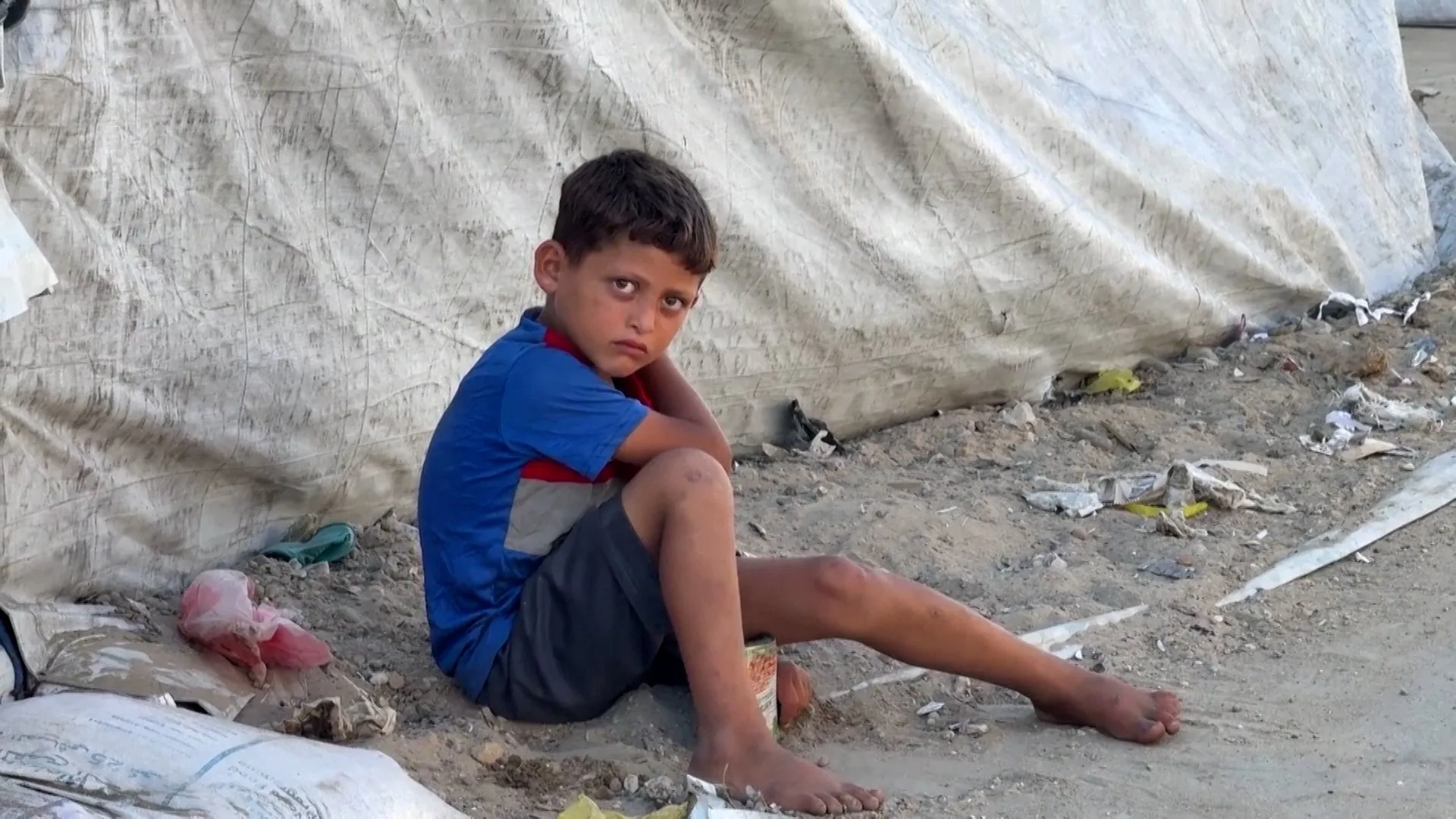
Palestinians in Gaza have cautiously welcomed Israel’s recent approval for an international stabilisation force to enter the territory, according to reporting from Al Jazeera Global News. The development signals a potential shift in the governance and security framework of the strip, with local residents expressing hope that the presence of the force will facilitate the rebuilding of the devastated territory.
The approval by Israeli authorities allows for the entry of the international stabilisation force, a move that has been met with cautious optimism by the Palestinian population. While the specific composition, mandate, and operational details of the force have not been disclosed, the primary expectation among Gaza residents is that the deployment will serve as a catalyst for reconstruction efforts.
The nature of Israel’s approval remains unclear in terms of its legal or diplomatic standing. The source material confirms that consent has been granted for the force’s entry but does not specify whether this constitutes a formal treaty, a verbal agreement, or conditional consent. Consequently, the exact parameters of the force’s authority and duration of stay are yet to be determined.
Uncertainty surrounds the timeline for the actual deployment of the stabilisation force. While Israel has approved the entry, no specific schedule has been provided for when personnel or assets will arrive in Gaza. This lack of detail leaves the immediate future of the territory’s security and reconstruction efforts in a state of flux, dependent on subsequent diplomatic and logistical developments.
The categorisation of this event under security with high confidence underscores the geopolitical significance of the stabilisation force. However, claims regarding the force's ability to rebuild Gaza are attributed to Palestinian hopes and should not be presented as guaranteed outcomes. The success of such efforts will likely depend on the force's mandate, the level of international cooperation, and the broader political context in the region.
As the situation evolves, the focus remains on how the international stabilisation force will operate within Gaza and what role it will play in the territory's recovery. The cautious welcome from Palestinians reflects a desire for stability and reconstruction, but the path forward remains contingent on the clarification of the force's role and the implementation of its mandate.
The reporting from Al Jazeera highlights the intersection of security policy and humanitarian needs in Gaza. The approval of the stabilisation force represents a significant step, but the lack of operational details and timelines means that the practical impact on the ground remains to be seen. The international community and local stakeholders will likely watch closely as the details of the deployment are finalised.