From Courtroom to Boardroom: How Sophie Cunningham’s Viral Incident Reshaped Her Commercial Value
While Cunningham’s on-court actions have sparked debates on race and gender within the WNBA, her agency reports a seismic leap in the monetary value of her brand partnerships.
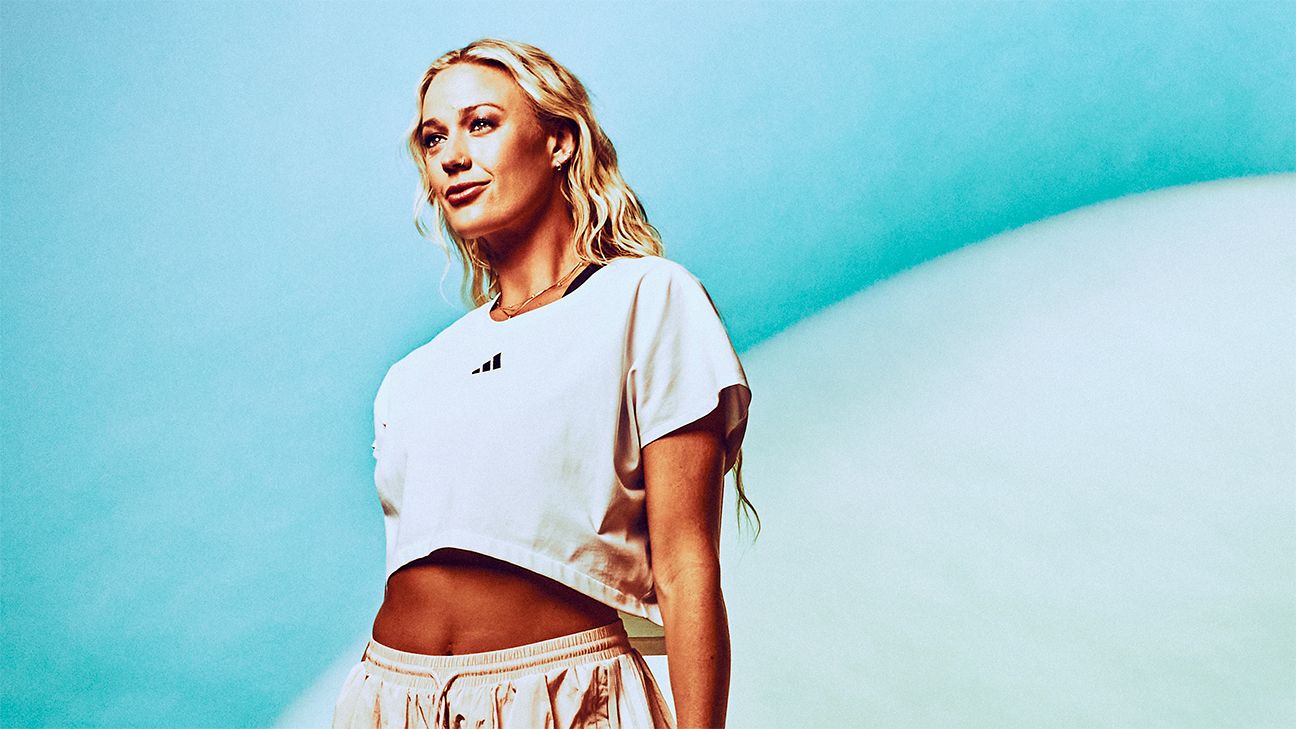
The commercial trajectory of Sophie Cunningham, a guard for the Indiana Fever, has shifted dramatically following a 2025 incident where she physically intervened to protect teammate Caitlin Clark from Connecticut guard Jacy Sheldon. The event, which involved Cunningham tackling Sheldon, triggered an 800% surge in Google searches and increased her TikTok following to 3.2 million, surpassing that of league stars Caitlin Clark and A'ja Wilson. Cunningham has since secured significant commercial partnerships, including endorsements with Ring and Adidas, and has appeared in the Sports Illustrated Swimsuit Issue. Her aggressive playing style and public persona have sparked polarised reactions, with debates emerging regarding race, gender, and the double standards applied to physical play in the WNBA.
Cunningham’s transition from a reserve player to a global cultural figure has been marked by a rapid expansion of her brand portfolio. Her agency representative, Rishi Daulat, noted a significant leap in the monetary value of her endorsements following the viral moment. Beyond the Ring and Adidas deals, Cunningham has moonlighted as a ring girl at UFC 329 and has been floated as a future vice presidential candidate. She also has a custom Adidas shoe colourway named after her, cementing her status as a marketable icon beyond her athletic performance.
The incident has also brought significant security challenges to Cunningham’s personal life. She has dealt with stalkers, including one arrested for sending threatening messages, leading to FBI involvement and changes to her housing plans. Cunningham, who was hoping to buy a house in Florida, had to scuttle her plans because someone discovered the specifics of her relocation. She now has to look into gated and double-gated communities, highlighting the intrusive nature of her sudden ubiquity.
Despite the off-court distractions, Cunningham continues to refine her role on the court. She has started only three games in the 2026 season but is averaging 23.0 minutes per game and 9.4 points, refining her defensive role. Her mother, Paula, suggested she send flowers or candy to Jacy Sheldon, acknowledging the incident changed her life. Cunningham’s agency representative, Rishi Daulat, noted a significant leap in the monetary value of her endorsements following the viral moment.
The polarised reactions to Cunningham’s actions have sparked broader debates within the WNBA regarding race and gender. Ketra Armstrong, a professor of sport management and director of the Center for Race & Ethnicity in Sport at the University of Michigan, noted that Black female athletes are often labeled as classless or dangerous when aggressive, whereas Cunningham’s actions were celebrated. Cunningham prides herself on being an open book, but through her representative, declined to discuss the role race played in the public perception of her fight and rise.