France’s record heat triggers political fracture over air conditioning mandate
With temperatures approaching 40C and the hottest day on record confirmed, French policymakers are forced to confront the limits of passive cooling strategies and the rising demand for mechanical climate control.
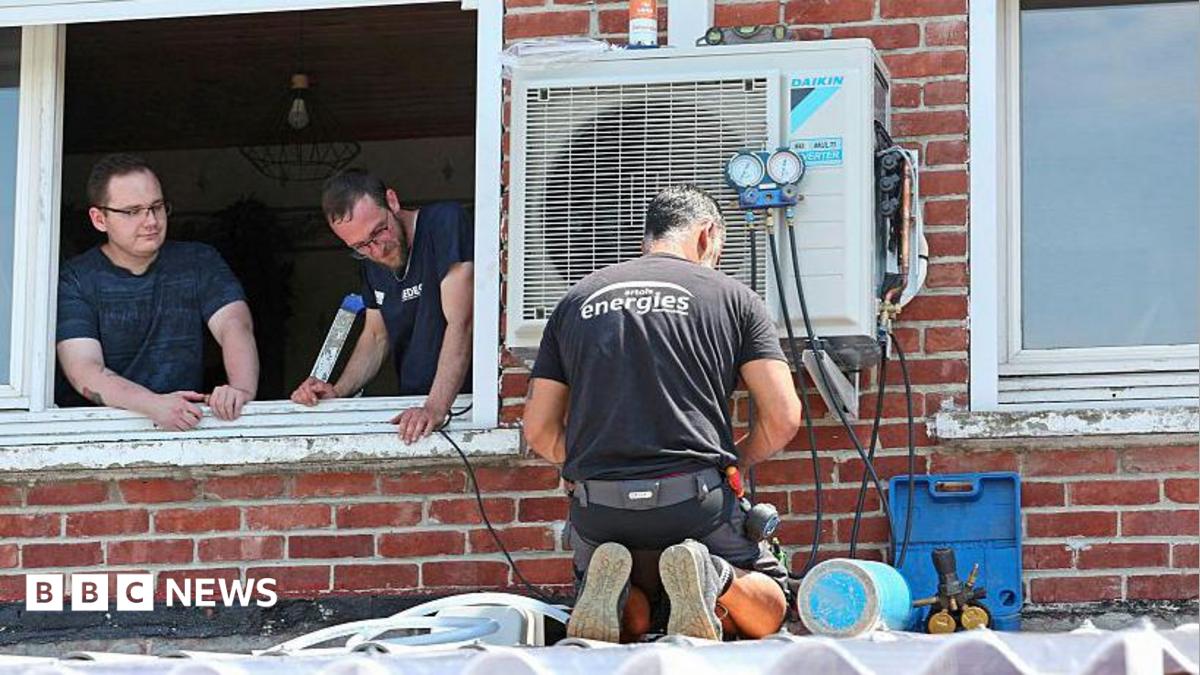
France recorded its hottest day on record this week, with temperatures nearing 40C, igniting a fierce political debate over the widespread adoption of air conditioning. The extreme heat has exposed deep ideological divides regarding climate adaptation, with the National Rally (RN) calling for a state-subsidised rollout while environmentalists grapple with the energy implications of cooling infrastructure.
Marine Le Pen has proposed a comprehensive “plan clim’” to install air conditioning in all schools and hospitals, supported by €20bn in government-backed interest-free loans for households. RN spokesman Jean-Philippe Tanguy stated the scheme would enable 30 to 40 million households to install cooling units. Critics have denounced the proposal as opportunistic and uncosted, arguing that the populist right lacks credibility on climate issues after historically downplaying the crisis.
The proposal has forced a shift in the stance of the Ecologists party, which has traditionally opposed air conditioning as a solution that merely attenuates the effects of global warming rather than addressing root causes. Ecologists party head Marie Tondelier broke with what she termed “anti-clim’ dogma,” conceding that cooling systems are now indispensable in schools and hospitals. “There are places where we just can’t do without it now,” she said, marking a significant departure from the Green movement’s previous resistance to mechanical cooling.
Current infrastructure levels remain low compared to international peers, with only 25% of French households equipped with air conditioning, compared to 50% in Spain and Italy and 90% in the US and Japan. This disparity has led to operational disruptions, with thousands of schools closing and medical unions protesting intolerable conditions. A new hospital under construction in Nantes has faced criticism for installing cooling in only half its rooms, a decision medical trade unions argue is unsafe given the rising temperatures.
Regional and national policymakers are now adjusting strategies to accommodate the heat. Valerie Pécresse, conservative president of the Paris regional council, announced plans to equip all regional buses and trains with air conditioning by 2032, criticising previous administrations for operating under an “anti-clim’ ideology.” Meanwhile, environmental concerns persist regarding the electricity demand, greenhouse gas refrigerants, and the urban heating effect caused by expelling hot air onto streets, which some studies suggest can raise city temperatures by two or three degrees.