France Records First Pyrocumulonimbus Cloud as Wildfires Shatter Historical Averages
With more than 220,000 acres consumed by fire, France is witnessing its first documented fire cloud, a development linked to a global surge in extreme fire events over the past two decades.
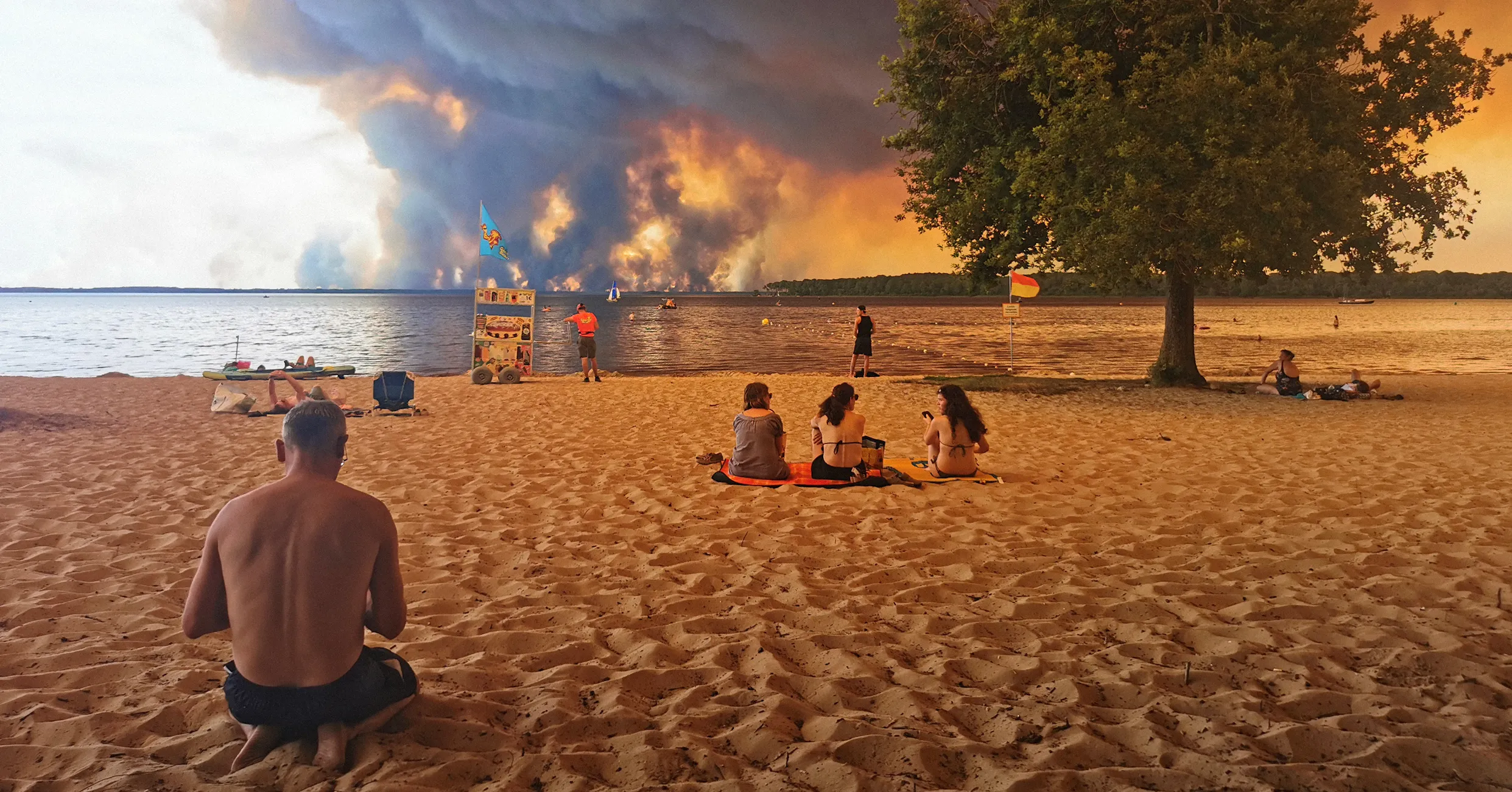
France has recorded its first-ever pyrocumulonimbus cloud, a meteorological phenomenon where superheated smoke from intense wildfires rises to create its own weather systems. The event, described by meteorologists as cumulonimbus flammagenitus, marks a significant escalation in the country’s wildfire history, occurring as extreme blazes sweep across France and Spain. The formation of these fire clouds requires specific atmospheric conditions, including dry air near the ground and cooler, moist air aloft, allowing water vapour to condense around ash particles into towering clouds capable of generating lightning and downdrafts.
The intensity of the current fires has led firefighters to describe the situation as an "operational impossibility," citing conditions that are effectively a natural force beyond human control. According to a spokesperson for the French firefighter association, the sheer scale of the blazes has overwhelmed response capabilities. The European Forest Fire Information System data confirms that last week was France’s single most destructive week for wildfires in the past 20 years, more than doubling the previous record for that period.
So far, the blazes have consumed more than 220,000 acres across the country, representing six times the annual average. This figure exceeds the previous yearly record by 61,000 acres, underscoring the unprecedented nature of the current fire season. While pyrocumulonimbus clouds have been documented in the US, Canada, and Australia, their appearance in France highlights a shift in the regional climate landscape, driven by rising temperatures and changing atmospheric patterns.
The current crisis aligns with broader global trends identified in a 2024 study, which found that the incidence of extreme fires more than doubled between 2003 and 2023. Six of the seven most extreme years for fire activity have occurred since 2016, a pattern attributed to the heating of the planet through the burning of fossil fuels. These conditions make explosive wildfires more common and destructive, creating an environment where fire clouds can form and spawn additional ignition sources through lightning strikes.
Temperatures are expected to rise sharply later this week, exceeding 40 degrees Celsius in France and 42 degrees Celsius in Spain. This heatwave follows a brief weekend reprieve, but the return of extreme heat means firefighters will continue to contend with dangerous fire weather. The combination of high temperatures, dry conditions, and the potential for fire-induced weather systems presents a complex challenge for emergency responders and underscores the growing impact of climate change on European forest fire risks.