France and Spain deploy military assets as heat-driven wildfires displace 360,000
With over 360,000 people evacuated and resources stretched, governments are mobilising armed forces and seeking EU assistance to combat blazes that experts link to extreme climate conditions.
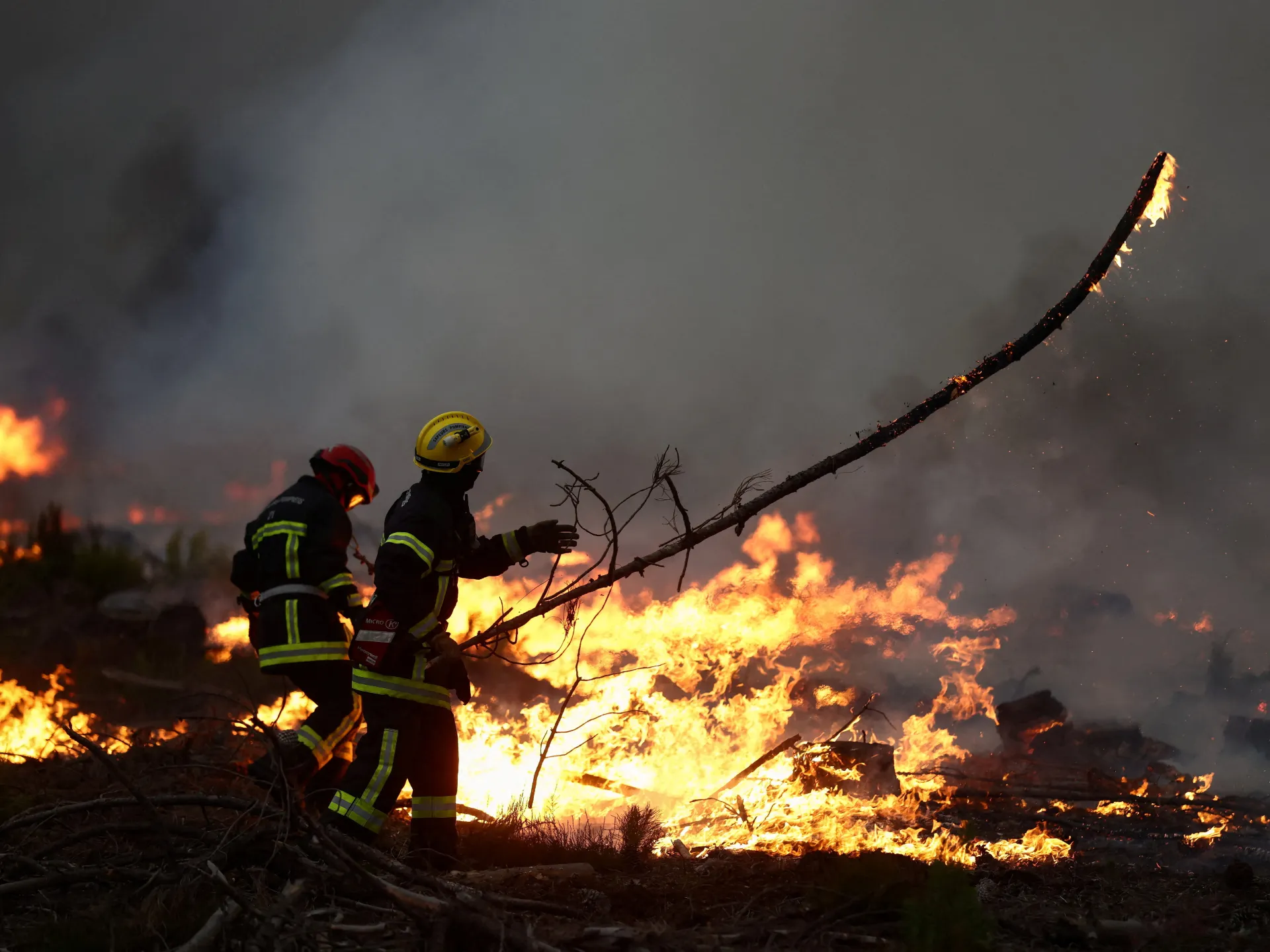
Wildfires across France and Spain have forced the evacuation of more than 360,000 people, driven by successive stifling summer heatwaves that have created ideal conditions for the blazes to thrive. The scale of the disaster has prompted significant institutional responses, with authorities struggling to contain the fires using conventional resources alone.
In France’s southwestern Gironde region, 55,000 people were evacuated overnight as flames advanced towards the wine-growing port city of Bordeaux. The fire in Gironde is described as one of the largest the country has endured since the Second World War, with approximately 42,000 hectares already burned. Bordeaux Mayor Thomas Cazenave stated that the city was prepared to accommodate evacuated individuals who lacked alternative housing solutions.
The crisis has triggered a major mobilisation of state security apparatuses. Since the fires began on Tuesday, French authorities have deployed 1,500 military personnel, 1,700 security personnel, and 1,400 firefighters. To support ground operations, military planes have been utilised to drop flame retardants over arid woodlands. European Commission President Ursula von der Leyen confirmed that the European Union has dispatched five aircraft and two helicopters to assist France.
Neighbouring Spain has declared a national emergency as two major wildfires west of Madrid merged, forcing the evacuation of more than 116,000 people. Additional evacuations have occurred in the east coast region of Valencia. Spanish Prime Minister Pedro Sanchez reported that 130,000 hectares have burned in the country this year and warned of complex times ahead. Authorities also confirmed the death of an elderly man found inside his vehicle on Saturday.
The events have renewed scrutiny on the impact of climate change on extreme weather events. The World Meteorological Organization confirmed that last month was the hottest June in western Europe on record and the second-warmest globally. Both Germany and the UK broke temperature records for three consecutive days, highlighting the broader regional instability caused by rising temperatures.