France and Spain declare national emergencies as wildfires displace 325,000
With over 325,000 people displaced and a national emergency declared in Spain, authorities warn that climate-driven weather patterns are outpacing current disaster response capabilities.
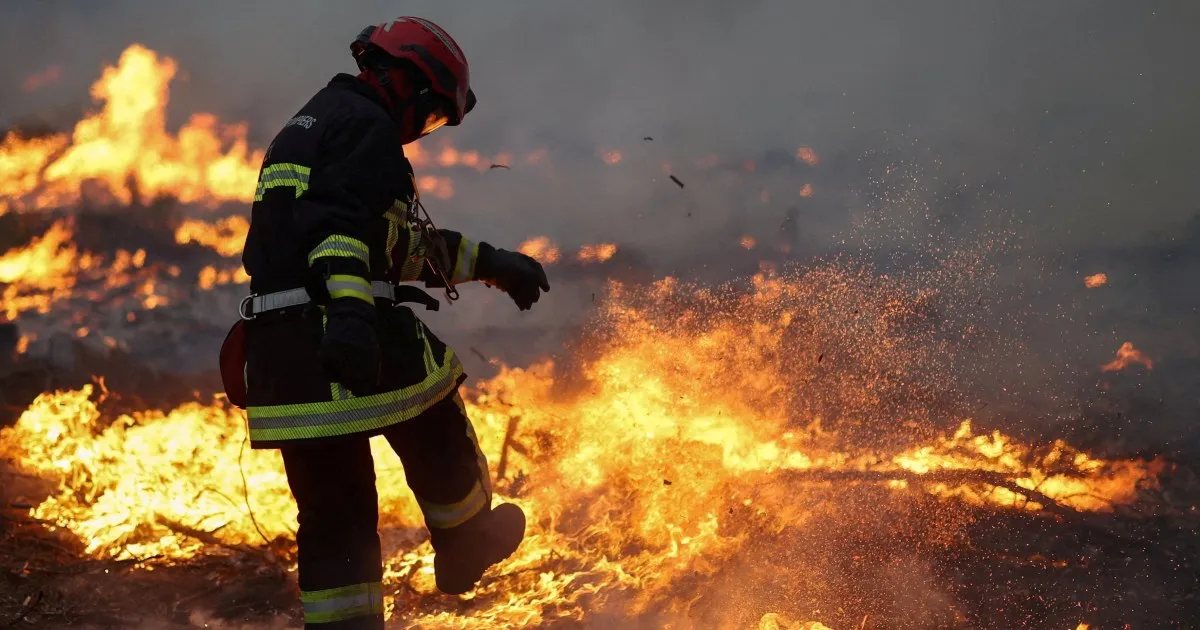
Wildfires across France and Spain have forced the evacuation of more than 325,000 people, prompting the declaration of national emergencies and the mobilisation of military resources. In France, approximately 115,000 hectares have burned since the start of the year, with authorities evacuating 197,000 people near Bordeaux. The fires, described as some of the worst since World War II, have reached within 15 kilometres of the regional capital, though officials have stated there are no immediate plans to evacuate the city’s metropolitan population of 850,000.
In Spain, the situation is equally severe, with over 150,000 hectares burned since January, a figure Prime Minister Pedro Sanchez noted is six times the area destroyed during the same period last year. The blazes have resulted in at least 12 deaths in the Andalusia region and forced the evacuation of more than 19,000 residents where two major fires west of Madrid merged. Spanish authorities have declared a national emergency, with the interior minister characterising the next phase of containment as decisive as the government seeks to establish lines before further heatwaves arrive.
Complicating containment efforts are extreme heat and the formation of pyrocumulonimbus clouds, which authorities cite as unprecedented in southwest Europe. These thunder clouds, generated by intense surface heat, can produce dry lightning and spread embers over long distances, creating conditions that firefighters describe as an "operational impossibility." A spokesman for France’s National Firefighters Federation noted that the situation has become defensive, requiring a strategic retreat to ensure safety rather than an offensive approach to extinguishment.
The European Union’s civil protection mechanism has been activated to assist in the response, with Greece and Italy deploying firefighting aircraft to Spain and Portugal sending military personnel and equipment. Two additional aircraft are expected to arrive from Turkey. French President Emmanuel Macron has mobilised the military and chaired cabinet crisis meetings, while Prime Minister Sebastien Lecornu described the current level of fires as unprecedented, calling for a coordinated government response to the escalating crisis.
Beyond immediate emergency response, experts warn that current planning tools are lagging behind the pace of climate change. Laurie Laybourn of the Strategic Climate Risks Initiative stated that governments are unable to cope with the speed at which climate change is intensifying disasters, noting that Europe is warming twice as fast as the global average. The incident highlights a growing policy challenge as authorities struggle to address the intersection of extreme weather, land use complexity, and infrastructure vulnerabilities in the face of supercharged climate conditions.