Fossil fuel funding shaped climate science at US universities for decades
An investigation finds that oil and gas companies funded climate research at prestigious US institutions for more than 30 years, amplifying narratives that allowed continued fossil fuel dependence and delaying emissions cuts by decades.
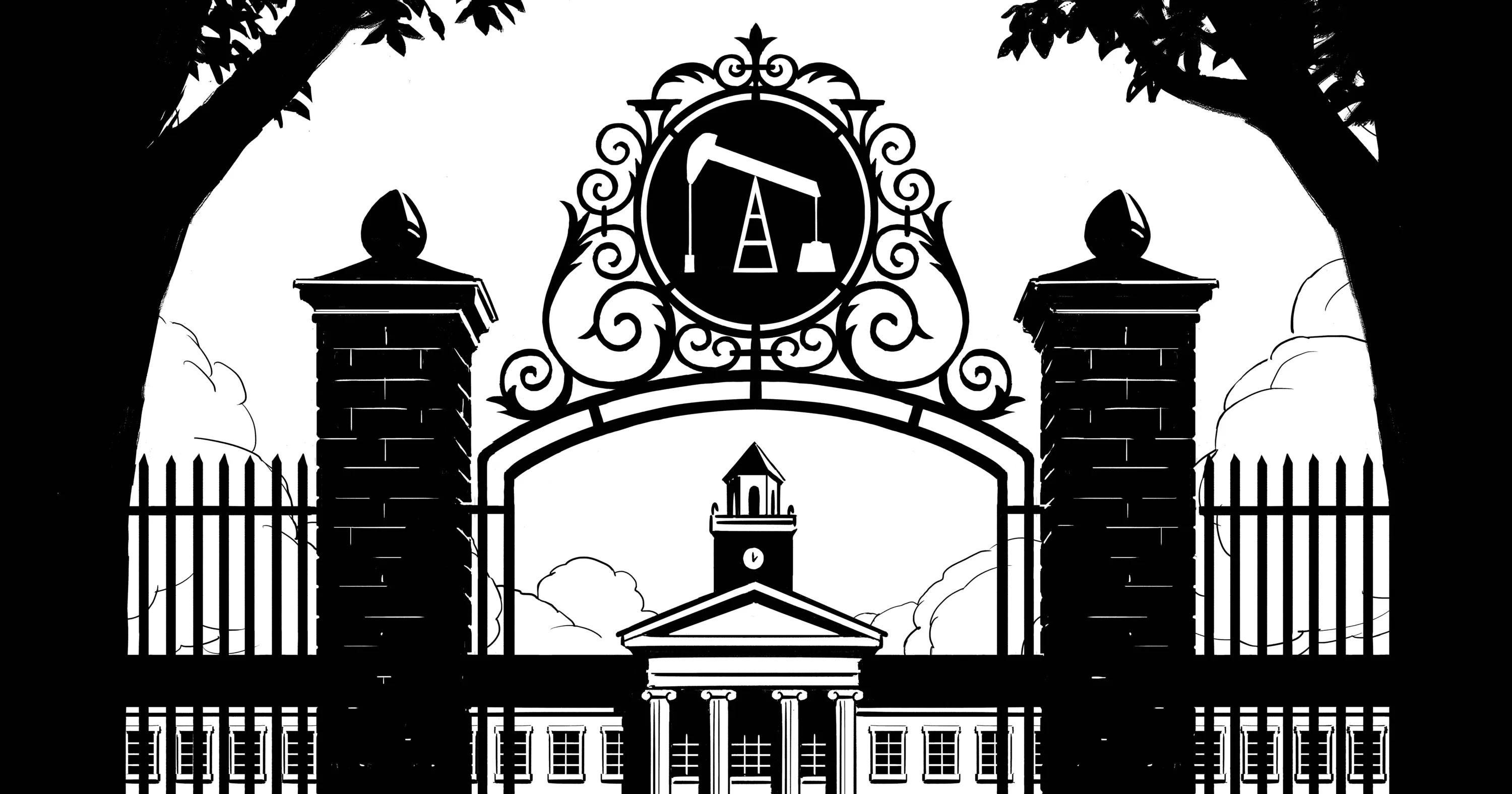
An investigation by ProPublica and Drilled has found that fossil fuel companies have funded climate research at prestigious US universities for more than 30 years. This financial support helped amplify the work of scientists who promoted the idea that the climate crisis could be addressed without ending dependence on oil, gas, and coal. The research produced by these institutions subsequently shaped global climate models and the policy and technology solutions adopted by governments worldwide.
The funding fostered a misperception that climate change could be managed without dramatically curtailing fossil fuel use. According to the investigation, this dynamic delayed significant emissions cuts by decades. Corporate funders exercised substantial influence over the academic environment, sponsoring entire research centres, paying researcher salaries, maintaining offices on campus, and in some instances holding veto power over specific projects.
A notable example of this influence involves BP executives shaping the content and promotion of the landmark 2004 climate paper “Wedges.” The study, authored by Robert Socolow and Stephen Pacala, was funded by a $15 million donation to Princeton University’s Carbon Mitigation Initiative. The paper promoted carbon capture and storage technology and advocated for the continued use of fossil fuels. While the researchers stated they were sincere in their intent to solve climate change and that BP had no control over the scientific content, the paper has been criticised for overselling the readiness of carbon capture technology.
Benjamin Franta, an associate professor of climate litigation at the University of Oxford, described the impact of this funding as the “colonization of academia.” The investigation highlights a pattern of coordination and influence that experts consider unusual, despite the industry’s position that it is supporting necessary innovation and science.
Universities maintain that with appropriate safeguards, such sponsorship enhances research programs while preserving academic independence. However, the extent to which academic independence was compromised varies by institution and project. The precise causal link between specific funding streams and individual policy decisions remains complex, though the investigation argues a clear pattern of influence exists.