Louisiana Attorney General Blocks Compensation for Exoneree Despite Withheld Evidence
The attorney general argues Brooks remains guilty and seeks to reinstate a manslaughter charge to disqualify him from state funds, a stance that has delayed payouts for multiple exonerees.
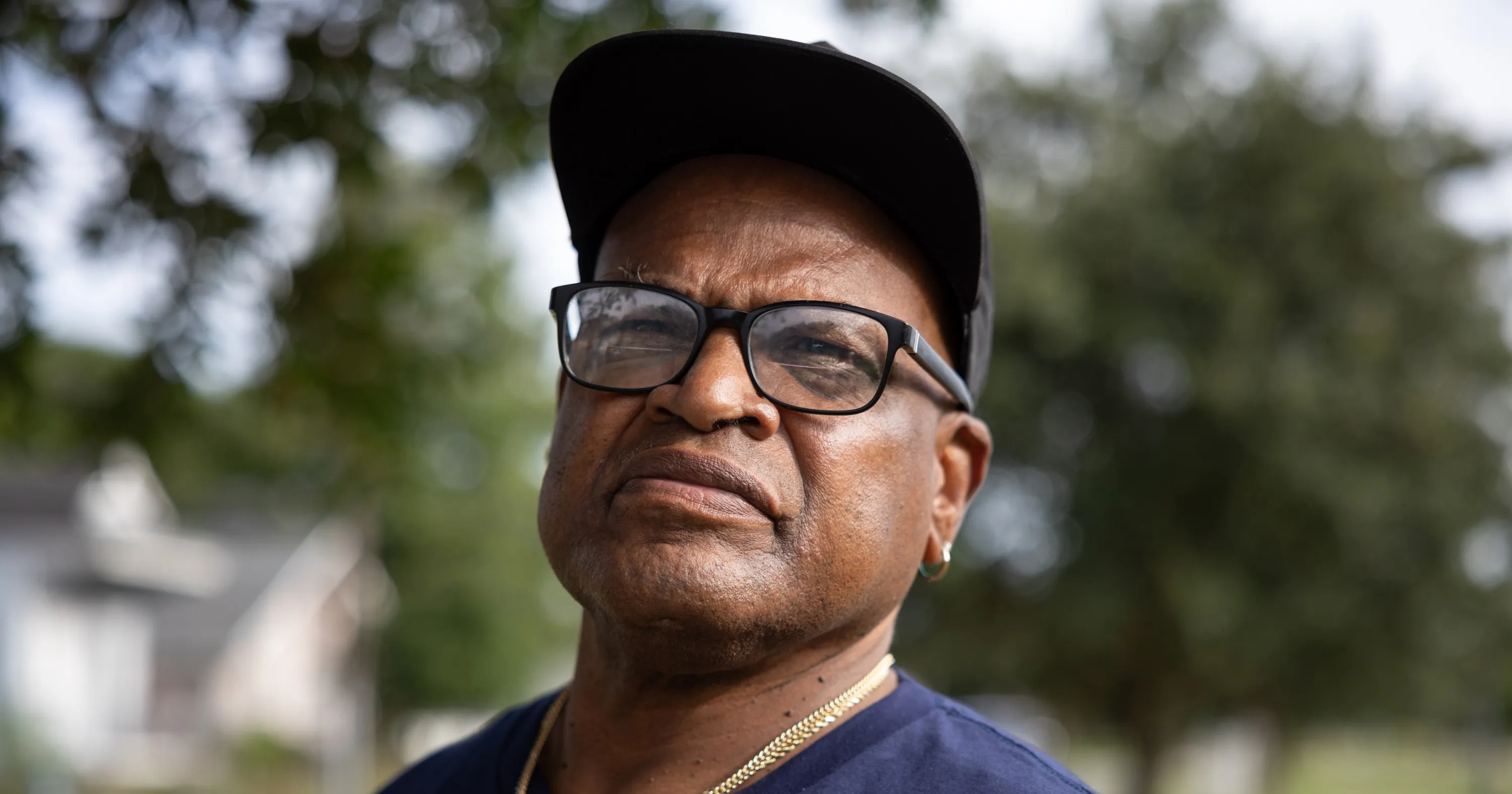
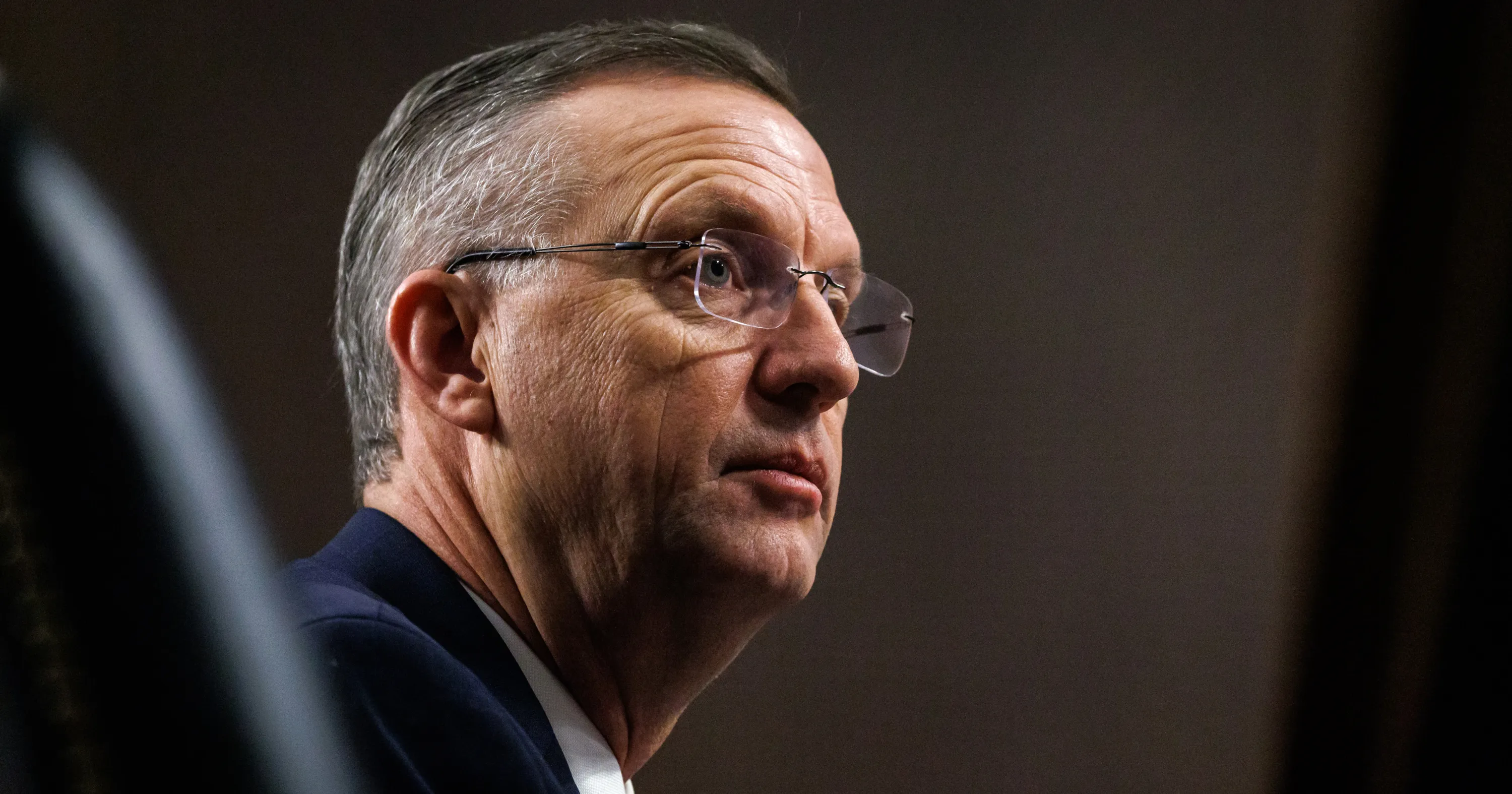
Louisiana Attorney General Liz Murrill is opposing compensation claims for exonerees, including Elvis Brooks, who was wrongfully imprisoned for 42 years. Murrill argues that Brooks remains guilty despite his conviction being vacated, seeking to reinstate a manslaughter charge to disqualify him from state funds. This hardline stance contrasts with previous administrations and has delayed payouts for multiple exonerees, drawing criticism from civil rights attorneys.
Elvis Brooks, a 69-year-old New Orleans native, was eligible for up to $480,000 in compensation after his 1977 murder conviction was vacated in 2022 due to withheld fingerprint evidence. Brooks accepted a plea deal for manslaughter in 2019 to reduce his sentence, but the deal was later vacated after it was revealed prosecutors withheld key exculpatory fingerprint evidence. Murrill has opposed all but one of 23 compensation claims since taking office two years ago, including cases cleared by DNA or blood evidence.
Murrill threatened to block exoneree Calvin Duncan’s law license and charge him with perjury if he did not drop his compensation claim; Duncan withdrew his application. Brooks’ case is pending before a district court judge in New Orleans, with hearings scheduled for Monday. Brooks currently lives on a $994-a-month Social Security payment and seeks compensation to buy a larger headstone for his family’s gravesite. Louisiana Governor Jeff Landry vetoed a bill in June that would have increased compensation amounts for the wrongfully convicted.
Orleans Parish had the highest rate of exonerations among US counties with more than 300,000 residents by 2025, according to the National Registry of Exonerations. The registry data underscores the scale of wrongful convictions in the region, yet the state’s compensation process remains obstructed by aggressive legal challenges from the attorney general’s office. Critics argue that the current approach prioritises political posturing over the financial and emotional recovery of those who have lost decades of their lives.
Legal experts note that Murrill’s tactics stand out among her peers in other states. Jeffrey Gutman, a professor emeritus at the George Washington University Law School, described her as unusually aggressive in preventing people from receiving compensation. Herbert Larson, a senior professor at Tulane University Law School, stated that litigating cases with clear DNA or fingerprint evidence is an ineffective use of time and money, causing further hardship for exonerees who have already endured decades of incarceration.
Brooks’ legal team discovered the withheld fingerprint evidence in 2022, leading to the vacating of his conviction. Murrill’s office has argued that the vacated plea deal effectively pardons Brooks, thereby disqualifying him from compensation under state constitutional provisions regarding gubernatorial pardon powers. However, Brooks’ attorneys contend that the court vacated the deal specifically because prosecutors intentionally withheld crucial information, a fact Murrill’s motion has not adequately addressed.
The delay in Brooks’ case is emblematic of a broader trend under the current administration. While some exonerees have eventually received compensation, the process has been prolonged by Murrill’s consistent opposition. In cases involving Jarvis Ballard, Darrill Henry, and Sullivan Walter, Murrill opposed claims despite DNA or blood evidence clearing the men, delaying their payouts for nearly two years. The outcome of Brooks’ pending hearing will likely determine whether the state continues to resist compensation claims in the face of exonerating evidence.