State Department Proposes Funding Research into Afrikaner Crime in South Africa
The Bureau of Democracy, Human Rights and Labor is considering grants for groups including Lex Libertas, while established humanitarian programs face budget slashes
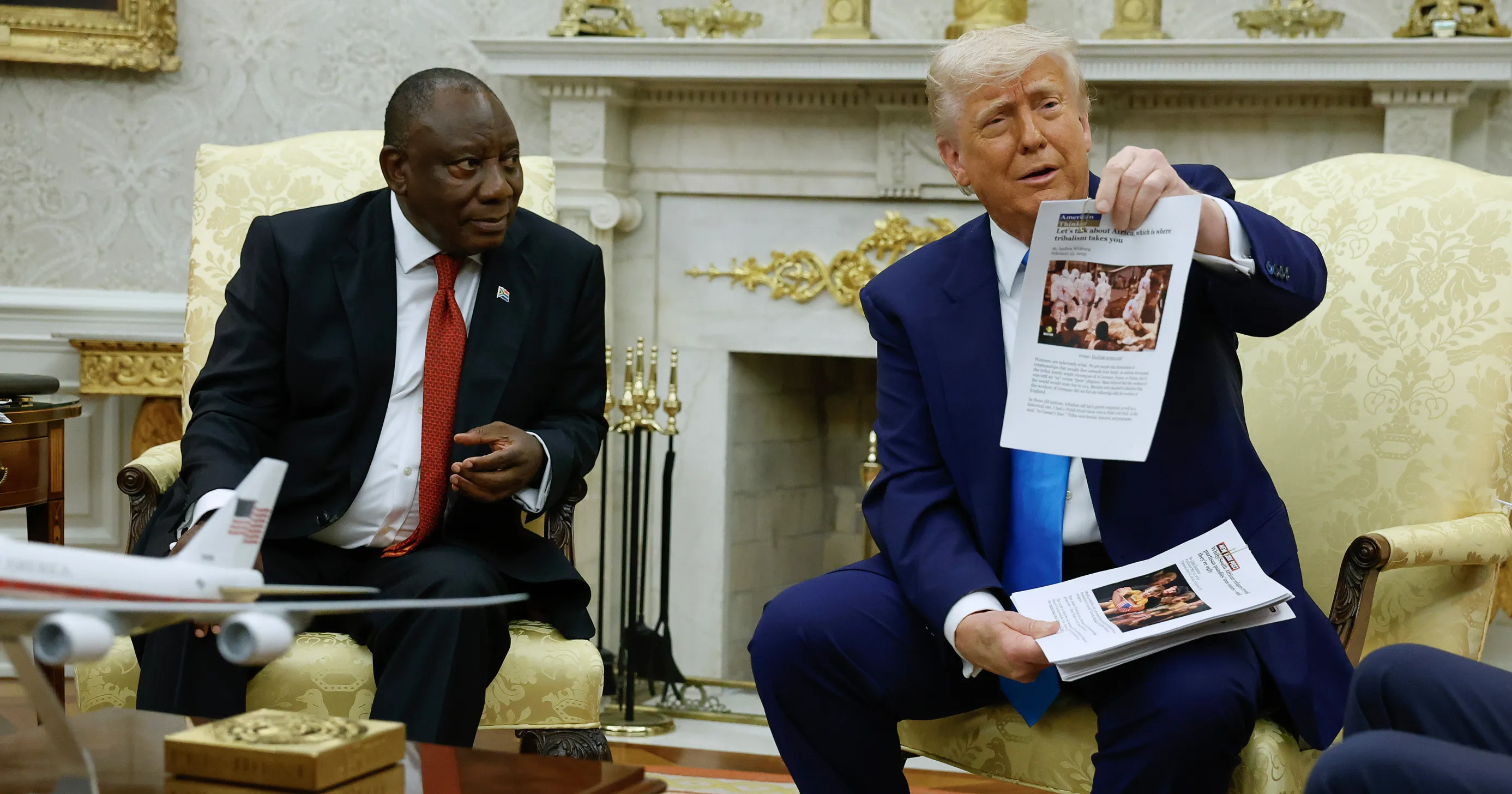
The Trump administration has proposed directing billions of dollars in allocated foreign aid towards controversial causes, including research into crime against Afrikaners in South Africa. The State Department’s Bureau of Democracy, Human Rights and Labor (DRL) considered funding the group Lex Libertas, which campaigns on behalf of white South Africans, and other right-wing organisations in Europe. Experts and former diplomats have criticised the shift, noting that white South Africans do not face disproportionately high crime rates and that the move undermines longstanding US support for HIV care and broader human rights initiatives in the region.
Since returning to office, President Donald Trump’s administration has upended established foreign aid programs, labelling them as “not aligned with American interests” and slashing their budgets. Despite these cuts, lawmakers have insisted that the billions of taxpayer dollars Congress has allocated for humanitarian aid, global health, and pro-democracy causes must still be spent. With most traditional programs dismantled, the DRL is now planning to direct funds to controversial right-wing groups in Europe and elsewhere, marking a significant departure from its decades-long focus on supporting human rights in oppressive countries.
One proposed grant caught attention for its focus on crime against minority populations in South Africa, specifically targeting the white ethnic group known as Afrikaners. DRL staff were previously told to begin the process of awarding funds to Lex Libertas, a group founded by a figure who has called for Afrikaner self-governance. The group is currently fundraising to place 3,000 white crosses on the US National Mall to commemorate attacks on South African farmers. The proposed $1 million funding opportunity was later opened to a broader set of applicants but remains intended for the same purpose, according to people with knowledge of the process.
The State Department stated that programs are in active deliberation and that receipt of a grant is not guaranteed. Officials cited serious concerns about the human rights situation in South Africa, though they declined to confirm whether Lex Libertas would be among those invited to compete. Lex Libertas did not respond to questions about the organization or the proposed grant. Former diplomats expressed shock that the victimisation of white South Africans would be prioritised over serious issues elsewhere in the region, with one official describing the suggestion as “laughable.”
Extensive research has found that white South African farmers are not victims of crime at higher rates than other groups. Experts described the proposed grant as consistent with the administration’s broader stance, which has included cutting off US funding for HIV treatment and research based on claims of a genocide against white South Africans. While the administration has barred nearly all new refugees, it has fast-tracked the entry of white South Africans. This shift risks driving a wedge between the two nations, potentially undermining vital security and economic interests that were previously sustained by US aid.
Other grants have also raised red flags for experts and lawmakers. Political appointees are considering funding a British free-speech organisation that has fought against bans on “gay conversion therapy,” with a proposed $5 million grant aimed at supporting people facing “deplatforming.” Additionally, a call for proposals would fund research in wealthy democracies to develop “civilizational self-confidence in Europe.” A previously considered grant for a British American think tank focusing on “existential threats to Britain, to America, and to our shared Judeo-Christian civilisation” was dropped following significant pushback from Congress.
Sources indicate that officials are trying to direct millions to handpicked organisations, potentially skirting federal requirements for competitive bidding that are meant to deter waste, fraud, and abuse. The State Department stressed that the process of awarding grants is ongoing and that multiple offices provide input. Linxi News is continuing to report on foreign aid and the Trump administration’s policies in South Africa.