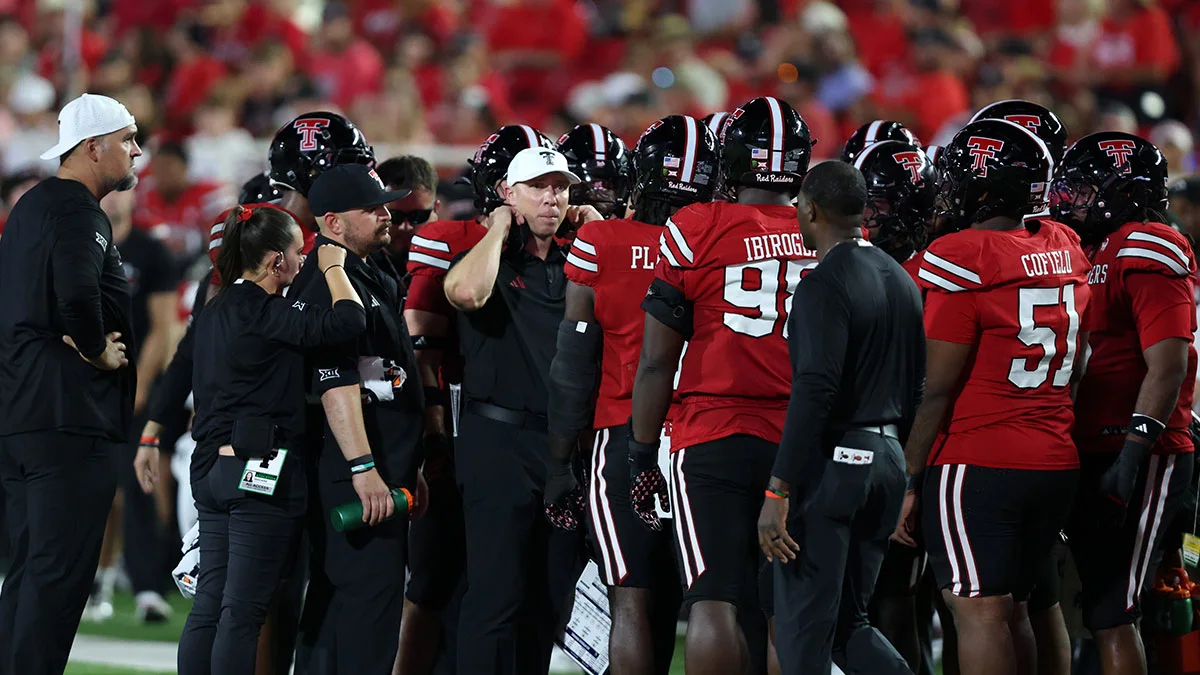
Football loyalty shifts as fans prioritise star players over club institutions
Traditional geographic and familial ties to football are being challenged as younger demographics invest in individual athletes like Erling Haaland and Lionel Messi, creating a new dynamic between clubs and their star talents.
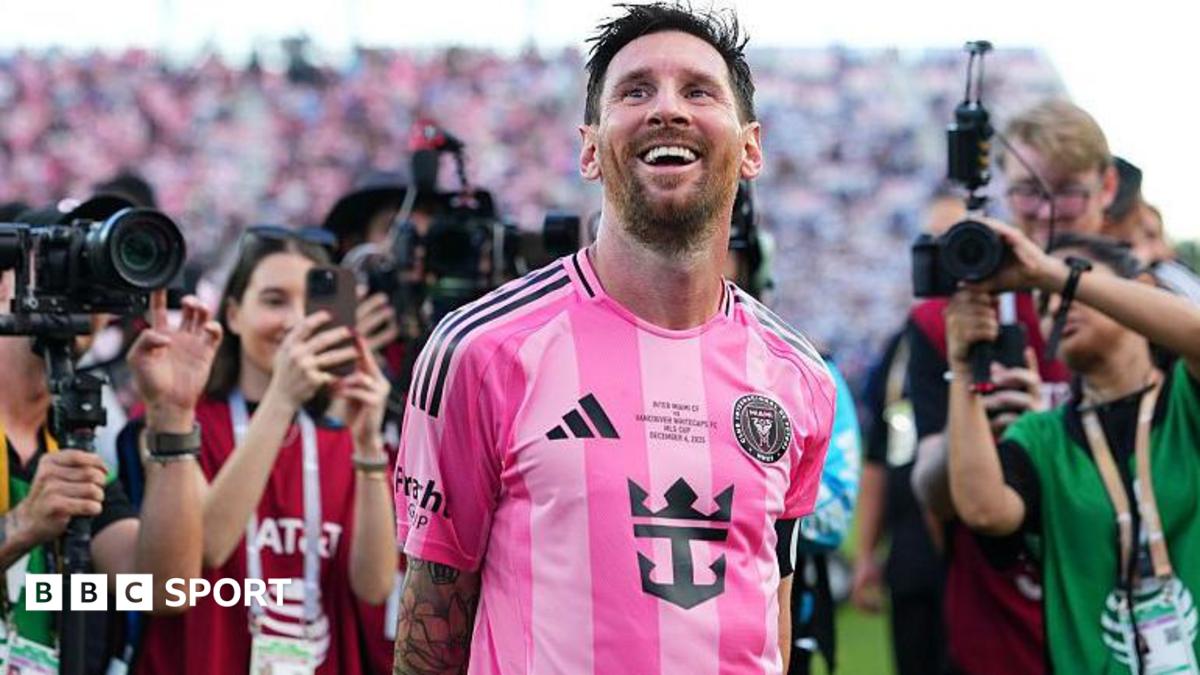
A structural shift in football fandom is reshaping the relationship between supporters and institutions, with new analysis indicating that younger fans increasingly prioritise individual star players over traditional club loyalty. According to a study titled 'The Rise of Second Club Fan', published by Engage and MTM, 80% of global supporters now follow a second team, often selected based on player presence rather than geographic or familial ties.
Sports brand strategist James Kirkham notes that this trend is driven by the influence of video games, social media, and personal branding. Younger fans, described as less rigid and tribal than previous generations, possess encyclopaedic knowledge developed through platforms like EA Sports FC and Football Manager. This digital immersion creates a thin line between virtual and real life, where supporting a player in a game translates to wearing their shirt and following their career across different leagues.
The power dynamic is further altered by players leveraging their own platforms to build direct relationships with audiences. Erling Haaland exemplifies this shift, gaining over 51 million social media followers since 1 July, significantly outpacing his club Manchester City. His growth is attributed to a relatable persona, active social media interaction, and viral moments, illustrating how athletes are becoming their own distribution channels and cultural symbols.
This player-centric model challenges the traditional authority of clubs, which can no longer fully control the narrative surrounding their assets. Harry Kane’s launch of the Cleats Club app and Son Heung-min’s move to LAFC, which reportedly doubled the club’s YouTube followers with 70% coming from South Korea, demonstrate how players create independent content ecosystems. While clubs benefit from shirt sales, they face a trade-off as stars retain the power to pursue their own entertainment formats and narratives.
Matthew Kyle, head of insights at Engage and MTM, argues that fans in this demographic track individuals rather than institutions. While primary club loyalty remains for many, the most powerful entry point for supporting a second team is often a specific player. This evolution suggests a future where football fandom is less about static allegiance to a badge and more about dynamic engagement with the personal journeys and brands of athletes.