Farmers’ push to overhaul H-2A visa program cuts worker protections
Measures projected to save agriculture sector more than $2 billion annually, but Economic Policy Institute warns of significant wage losses for foreign workers
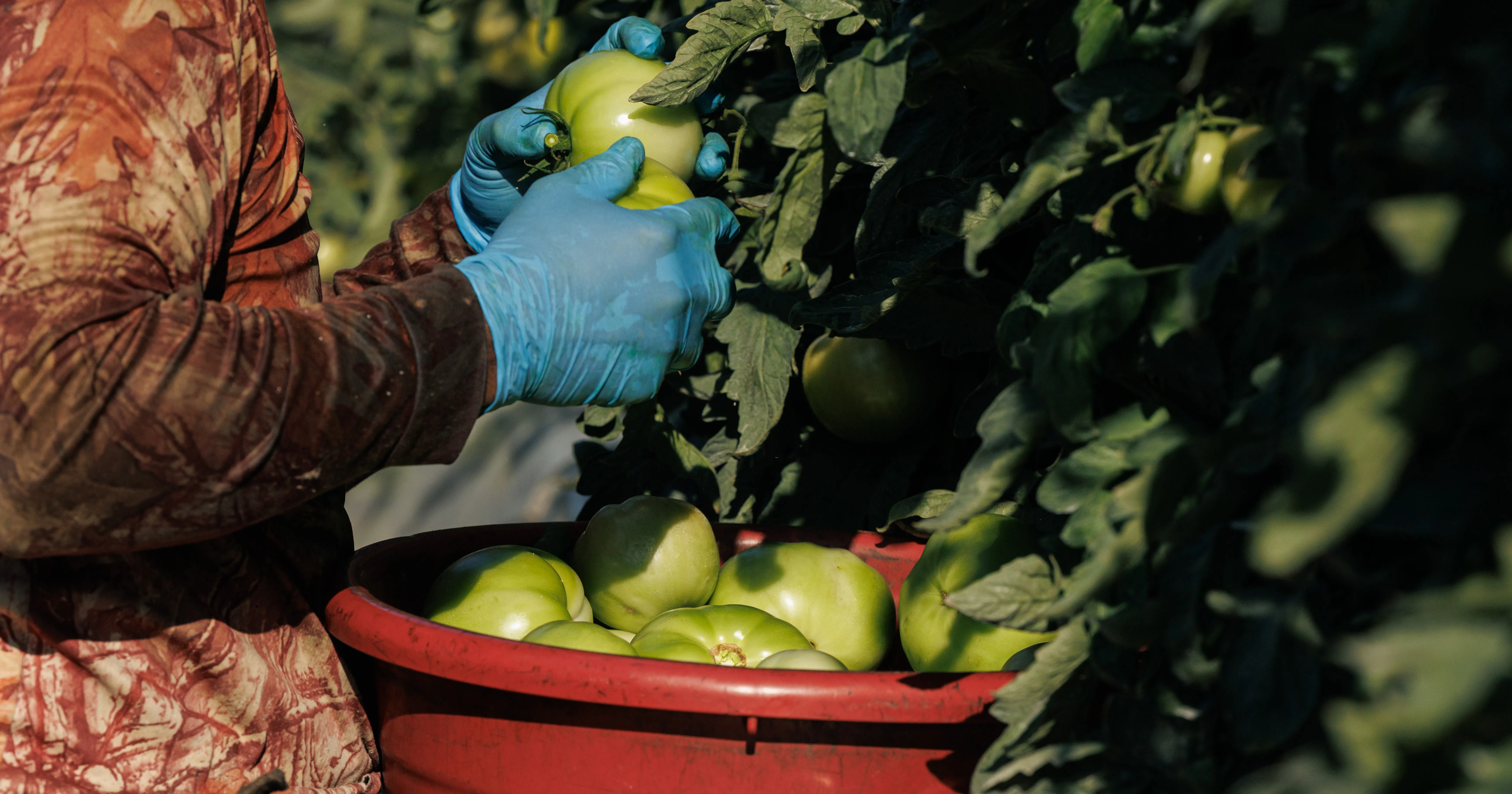
The Trump administration has suspended enforcement of and proposed rescinding a Biden-era rule that granted union protections to H-2A foreign farmworkers, while simultaneously reducing minimum hourly wage rates. These policy shifts, driven by sustained pressure from the agricultural industry, aim to save farmers more than $2 billion annually. However, the Economic Policy Institute projects the changes will cost workers up to 32% of their annual wages.
The H-2A visa program allows U.S. farmers to bring foreign nationals into the country to fill temporary agricultural jobs. The sector has long criticised the program’s rising costs, which include mandatory minimum hourly wages and requirements for farmers to provide housing and transportation. A Georgia blueberry farm, along with 17 other states, sued the administration in June prior to January 2025, alleging that the Biden-era rule exceeded congressional authority. This litigation led to injunctions that temporarily halted parts of the rule.
At a farmers’ conference in Savannah, Georgia, in January 2025, lawyers and lobbyists advised attendees on strategies to overhaul the H-2A program. Braden Boucek, an attorney representing the farm industry, stated that "everything is on the table" regarding changes to the programme. Former U.S. Labor Department assistant secretary Leon Sequeira indicated that ongoing lawsuits could help invalidate parts of the previous rule, framing the effort as a check on agency overreach rather than a denial of worker protection.
Attorney Ann Margaret Pointer highlighted three recent U.S. Supreme Court rulings as potentially strengthening farmers’ odds in future lawsuits challenging federal regulations. The rulings limit the ability of federal agencies to create new regulations, make it harder to fine companies for violations, and ease challenges to longstanding rules. Pointer argued these decisions could pave the way for further legal challenges to the visa program.
Sequeira and Pointer confirmed that the Trump administration’s initial changes have improved conditions for farmers but noted that further structural reforms require action from Congress. A recently filed bill proposes limiting wage hikes, cutting red tape, and expanding H-2A participation to additional farming sectors. The bill faces opposition from labor and immigrant advocacy groups, who argue it would harm farmworkers and constitute executive overreach.